Acne and Rosacea Overlap: Differentiating and Co-Managing in Pigmented Skin
Explore effective strategies for managing acne and rosacea overlap in pigmented skin, focusing on differentiation, treatment, and patient care.

Acne vulgaris and rosacea often present diagnostic challenges when they coexist, particularly in individuals with pigmented skin. This overlap is not only due to the similarity in presentation—such as papules and pustules—but also due to the subtlety of rosacea manifestations in darker skin tones, where erythema can appear as dull or dusky discoloration.
In dealing with these conditions, dermatologists must prioritize both effective treatment and the prevention of post-inflammatory hyperpigmentation (PIH). Employing the right management strategy not only improves skin health but also maintains its aesthetic appearance.
Understanding the Co-Occurrence
Mechanisms and Challenges
Acne and rosacea are both inflammatory conditions involving chronic disruption of normal skin processes. Acne is primarily characterized by the presence of comedones, papules, pustules, and sometimes cysts due to obstructed hair follicles and subsequent bacterial colonization, particularly by Propionibacterium acnes.
These processes occur due to increased sebum production, hormonal fluctuations, and follicular hyperkeratinization. The role of androgenic hormones, especially in teenagers and young adults, fuels excessive sebaceous gland activity. Inflammatory cytokines exacerbate the lesions, leading to erythematous nodules and cystic formations, predominantly noticed in younger demographics.
Rosacea, conversely, is marked by vascular instability resulting in persistent erythema, telangiectasia, papules, and pustules. The vascular component is driven by factors such as heightened innate immune response and dermal matrix degradation, leading to visible blood vessels and a ruddy complexion. This can be influenced by environmental triggers like temperature changes or dietary factors.
In particular, darker skin tones may mask the vascular component, leading to a paucity of apparent redness but still presenting the same textural changes. Diagnostic tools such as dermoscopy can highlight subclinical vascular patterns, while biopsies reveal granulomatous inflammation specific to rosacea.
The overlap of these conditions is complicated further because treatment for one can exacerbate the other. For instance, using oral doxycycline for rosacea’s anti-inflammatory benefits may aggravate acne, necessitating an in-depth understanding and caution when selecting treatment courses.
Identifying Overlap in Pigmented Skin
Correctly identifying the characteristics of both conditions in darker skin tones demands a nuanced approach. Often, rosacea's typical erythematous background is less noticeable, so clinicians rely heavily on patient history and symptoms such as sensations of burning or stinging. Patient interviews can elucidate exacerbating triggers, like those related to diet or emotional stress.
Dermoscopy offers insights into the extent of vascular involvement by enhancing visualization of follicular and perivascular patterns. In uncertain cases, employing a biopsy can dissect the cellular makeup, revealing the presence of demodex mites associated with rosacea or the granulomatous reaction pattern.
Comparative Treatment Approaches
Safety and Efficacy in Darker Skin Types
Fitzpatrick skin types IV–VI are more susceptible to PIH with any inflammation. Treatments for acne and rosacea in pigmented skin must be chosen based on their safety profiles:
- Topical Retinoids and Benzoyl Peroxide: While effective for acne, these agents can cause irritation and flare rosacea. A gradual introduction minimizes irritation. Retinoids also enhance cell turnover, which can be beneficial, but if not monitored, they can cause significant drying or peeling. This is particularly pertinent in acne vulgaris cases.
- Azelaic Acid and Metronidazole: These are staples for rosacea management. Azelaic acid provides anti-inflammatory benefits without the risk of bacterial resistance. However, the risk of hypopigmentation requires careful monitoring, especially important when combining treatments to avoid uneven skin tone.
Oral medications such as isotretinoin are a mainstay for severe acne but are carefully weighed in rosacea cases due to potential aggravation of underlying redness. Low-dose isotretinoin can be considered for its unique action profile in reducing sebaceous gland size and suppressing inflammation.
Alternatively, sub-antimicrobial doses of doxycycline provide rosacea relief with minimized acne exacerbation. Such formulations lack the antibiotic effect, reducing concerns about resistance.
Laser therapies often utilized in fairer skin tones, such as IPL, pose a heightened risk of burns and PIH in darker skin. When considering laser treatments, devices like Nd:YAG with longer wavelengths are preferred due to deeper skin penetration with reduced melanin absorption.
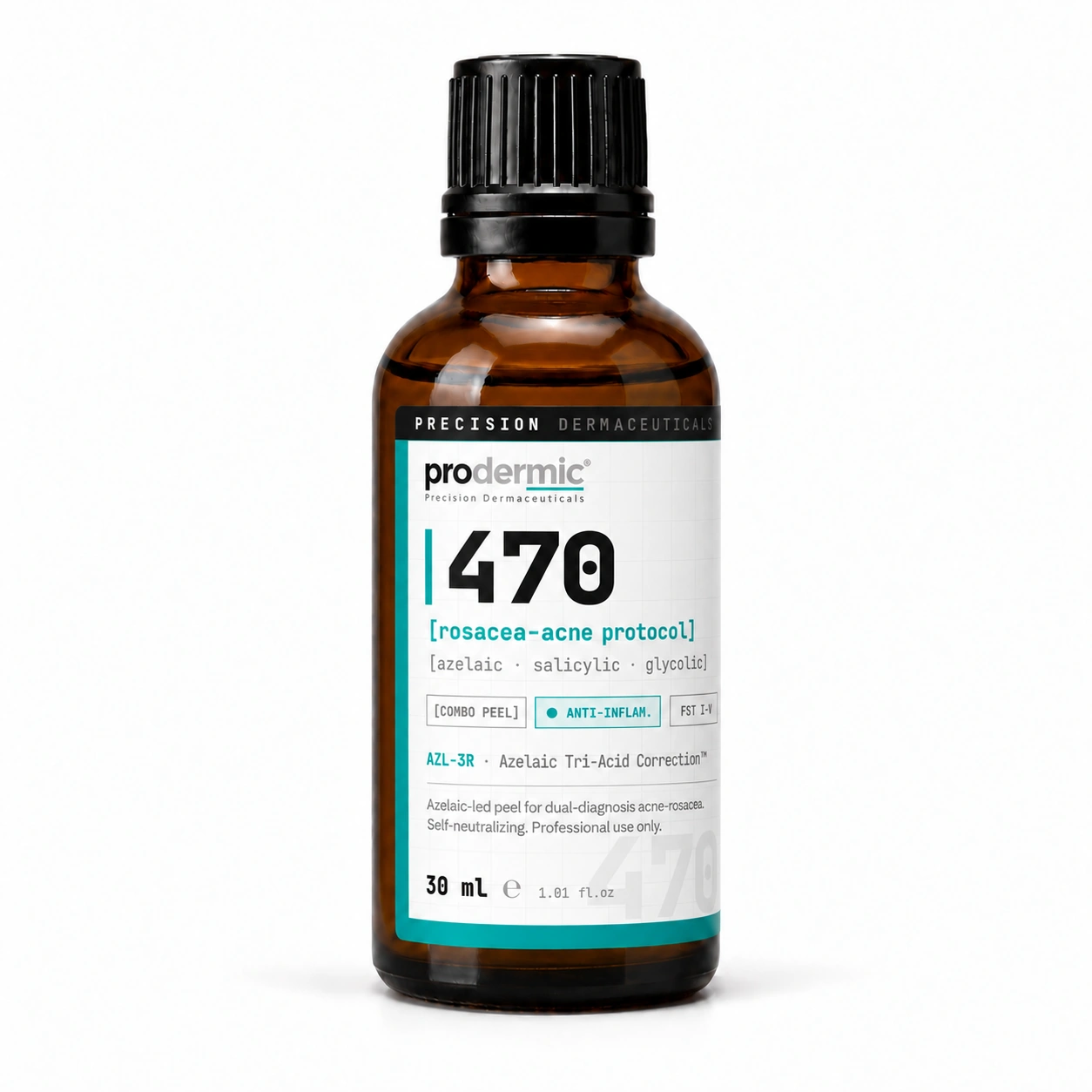
Where acne and rosacea overlap, a combination peel such as the Rosacea-Acne protocol (470) is a reasonable choice: azelaic acid 20% is antimicrobial, anti-inflammatory and anti-keratinising, and its tyrosinase inhibition helps limit pigment in darker skin, with salicylic and glycolic acid for follicular and surface exfoliation. These treatments can gradually alleviate textural irregularities and pigmentation concerns.
Dermatologist-Recommended Protocols
Treatment plans must be bespoke. For instance, the Sensitive Acne protocol (475, mandelic) is useful for its gentle AHA properties, reducing irritation risks common in rosacea treatment escalation. Mandelic acid's larger molecular structure allows slower penetration, minimizing irritation in sensitive skin.
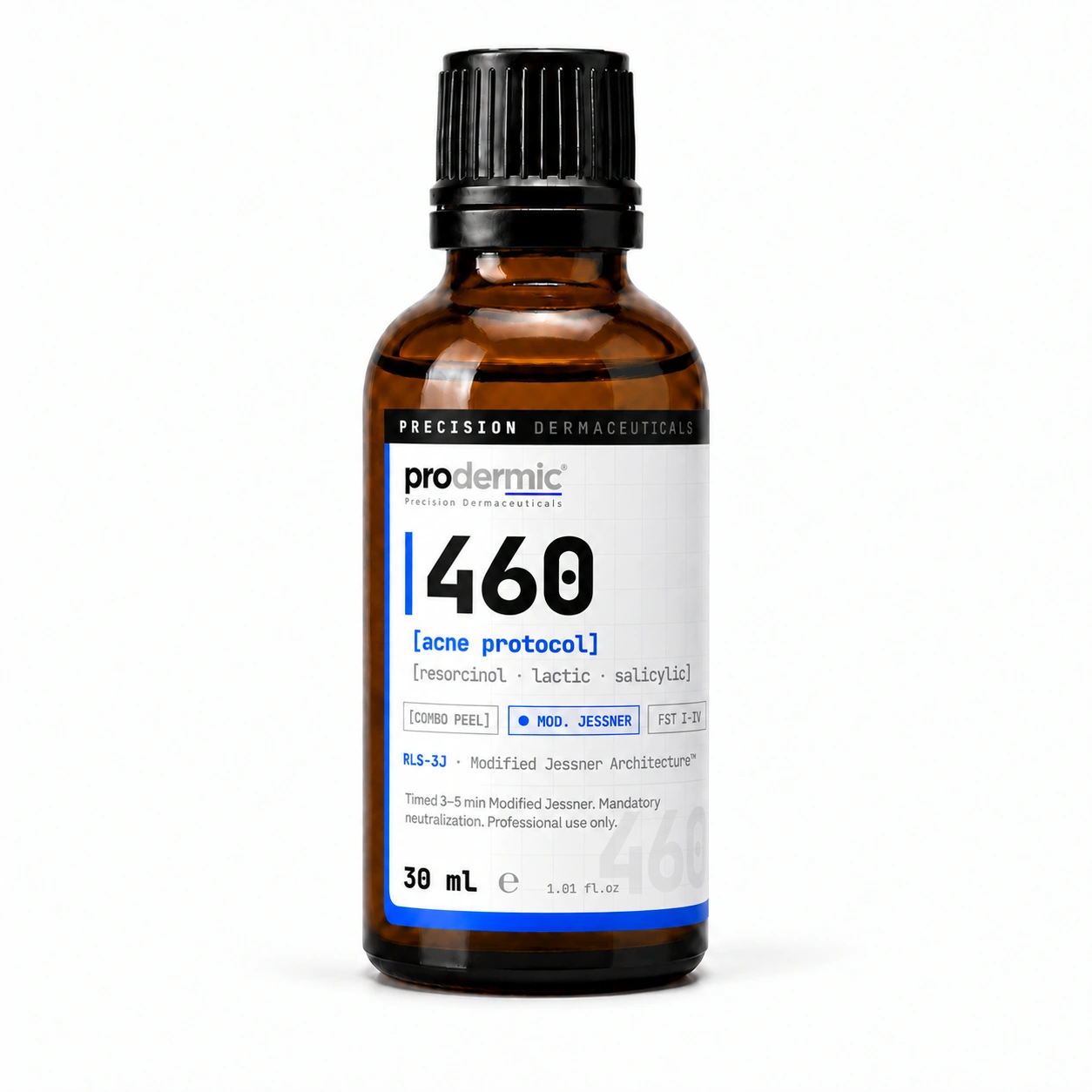
Protocols such as the Acne Protocol (460, Jessner's) offer exfoliation and skin tone improvement but require expert handling to ensure uniform application, reducing the risks of PIH. Combined salicylic acid peels may also decongest pores while modulating inflammation. A layered approach to peels could also involve alternating between mandelic and salicylic acids on different visits to address different cyclical phases of skin turnover and inflammation.
Practical Management Strategies
Skin Care Regimens
A careful balance of moisture and exfoliation is key. Integrating non-comedogenic, alcohol-free, and fragrance-free products will bolster the skin’s barrier function. Maintenance regimens incorporating hyaluronic acid and niacinamide can reduce sensitivity response while improving overall complexion.
Patients should be educated on minimalistic routines. Overloading their skincare can compromise barrier integrity, particularly when integrating actives like retinoids or AHAs.
Barrier repair creams enriched with ceramides and anti-inflammatory agents like licorice root extract can help pacify irritable skin, essential in managing overlapping acne and rosacea.
Sun Protection
Consistent daily use of a mineral-based broad-spectrum sunscreen (SPF 30 or higher) is crucial. Zinc oxide and titanium dioxide are preferred as they provide a physical barrier to UV radiation without the risk of chemical reactions on sensitive, rosacea-prone skin.
Sun protection not only prevents direct photodamage but also mitigates exacerbation of both acne inflammatory pathways and rosacea's vascular reactivity. Importantly, advising patients to apply sunscreen regardless of perceived sun exposure can further prevent inadvertent exposure.
Patient Education
Patient education is the cornerstone of successful management. Patients should be informed about potential triggers that can exacerbate rosacea, such as consuming alcohol, caffeine, or spicy foods, and climatic triggers like wind or humidity.
Lifestyle modifications, including stress management and dietary adjustments, may significantly impact the frequency and intensity of flare-ups, instilling a sense of empowerment in self-management. This can include guidance on mindfulness techniques for stress reduction and alternative dietary approaches that mitigate inflammatory responses.
Monitoring and Follow-Up
Regular follow-up appointments are necessary to ensure the treatment's efficacy and allow adjustments. During these consultations, discuss any side effects, and assess for new or changing lesions that might require alterations in strategy.
Monitoring with photographs and questionnaires can help objectively measure progress and satisfaction, guiding further treatment adjustments or enhancements. Personalized tracking of triggers and treatment responses can empower patients with insights into their condition’s fluctuations.
Frequently asked questions
How can one differentiate between acne and rosacea in darker skin?
In darker skin, differentiating may require dermoscopic evaluation and sometimes biopsy when visual examination isn’t definitive. Highlighting the absence of comedones in rosacea and understanding subtle textural differences can aid in correct diagnosis.
Colorimetry and imaging techniques can also discern erythema depth and pinpoint vascular involvement unseen to the naked eye. These tools, combined with thorough patient histories, enhance diagnostic accuracy.
What treatments are recommended for acne in pigmented skin?
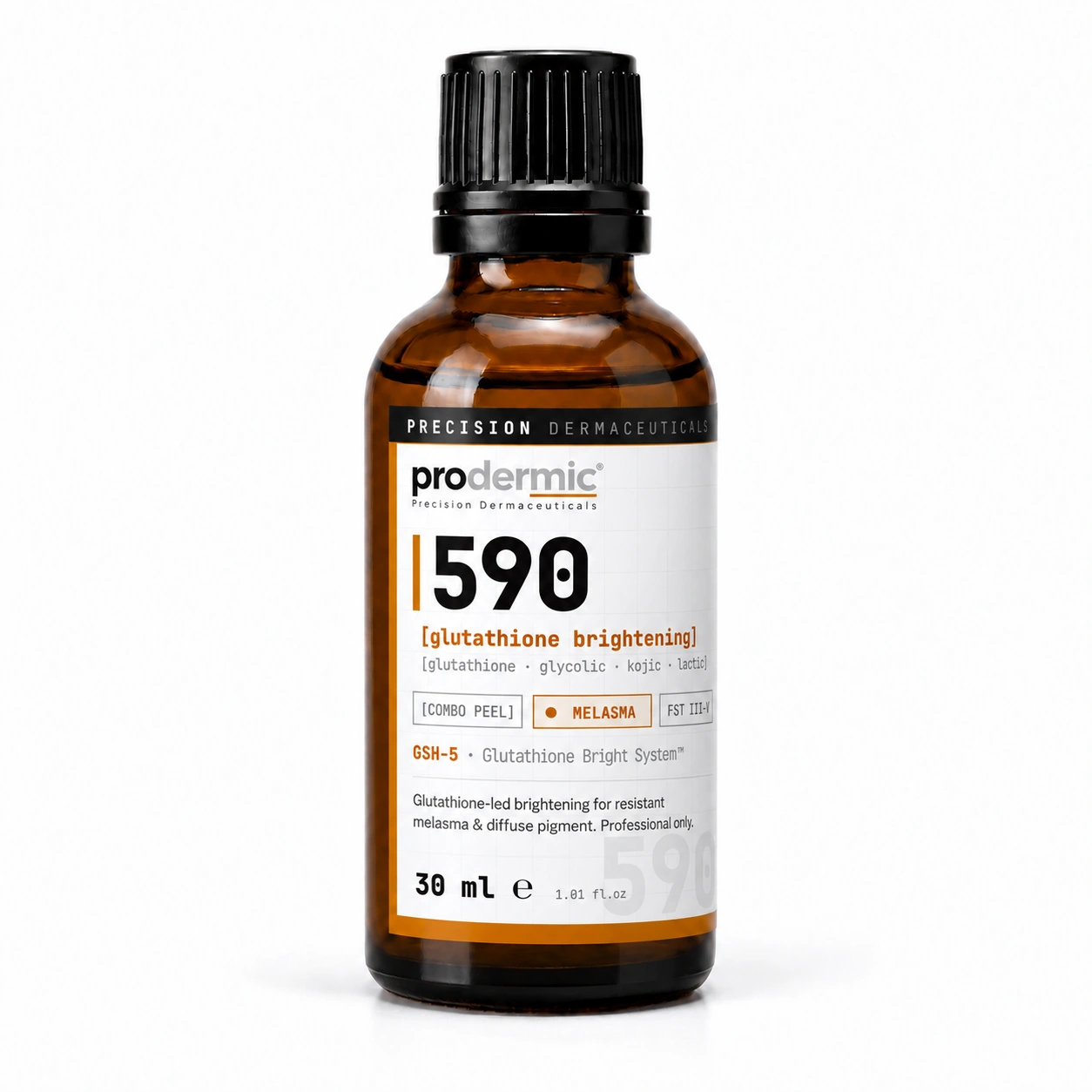
Cautious use of retinoids and benzoyl peroxide balanced with anti-inflammatory agents is essential. Introducing such treatments incrementally prevents PIH. Once inflammation has settled, the Brightening Protocol (590, glutathione) can help even out residual tone.
Pairing such treatments with ceramide-rich moisturizers can support the barrier function while combating acne. This synergistic approach not only addresses acne lesions but also bolsters the skin’s natural defense mechanisms.
Why is sun protection especially crucial?
Sun exposure can increase the inflammatory drivers in both acne and rosacea, concurrently amplifying PIH risk. A dedicated sunscreen regimen serves as a preventive measure.
Educating patients on regular reapplication, particularly during outdoor activities, ensures protection efficacy is maintained throughout the day. Considerations about visible light protection and choosing sunscreens with an anti-inflammatory base can enhance outcomes.
What are some suitable laser treatments?
For pigmented skin, using devices like Nd:YAG lasers with proper cooling and gentle settings helps in reducing inflammatory erythema with minimal PIH risk. The Nd:YAG laser’s ability to penetrate deeply allows targeting of vascular and pigmented lesions effectively while sparing the epidermis.
Laser sessions should be spaced adequately to reduce cumulative thermal stress, observing for any immediate post-treatment inflammation or hyperchromia. Discussing expected outcomes and setting realistic expectations are integral to patient satisfaction.
Can diet impact rosacea in pigmented skin?
Indeed, dietary triggers impact rosacea exacerbation. Spicy foods, caffeinated beverages, and certain dairy products may worsen symptoms, making dietary modifications a practical management adjunct.
Keeping a food diary may assist patients in identifying specific triggers, facilitating personalized dietary counseling. Integrating an anti-inflammatory diet rich in omega-3 fatty acids and antioxidants could prove beneficial.
To explore specific pigmentation treatment strategies, see Chemical Peels for Pigmentation.