Chemical Peels for Pigmentation: Protocol, Patient Selection and Realistic Outcome Setting
Explore chemical peels for pigmentation: protocol, patient selection, and outcomes.

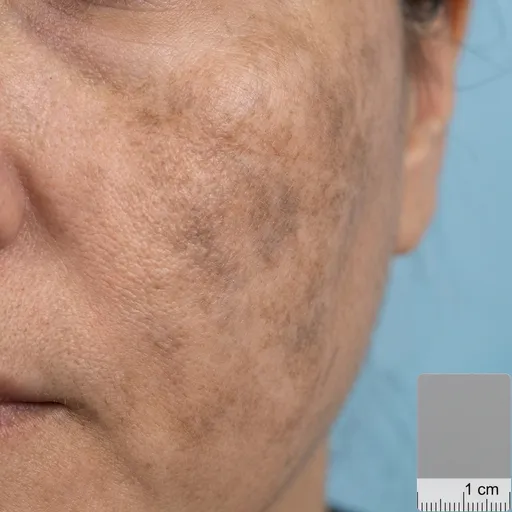
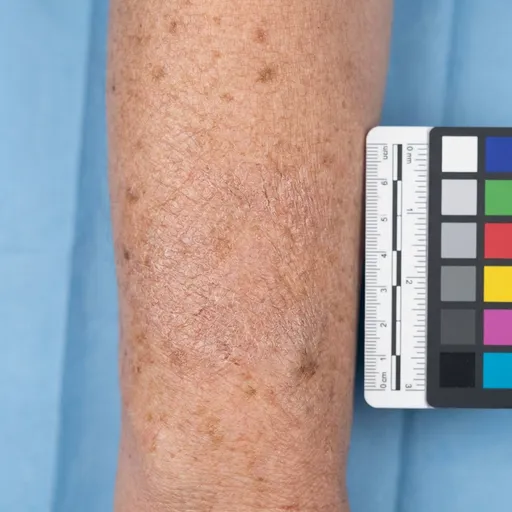
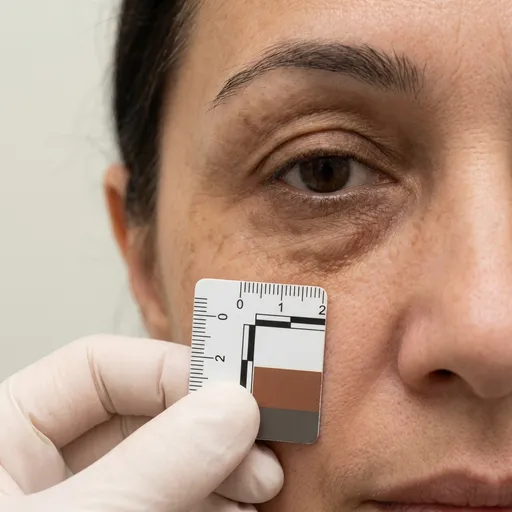
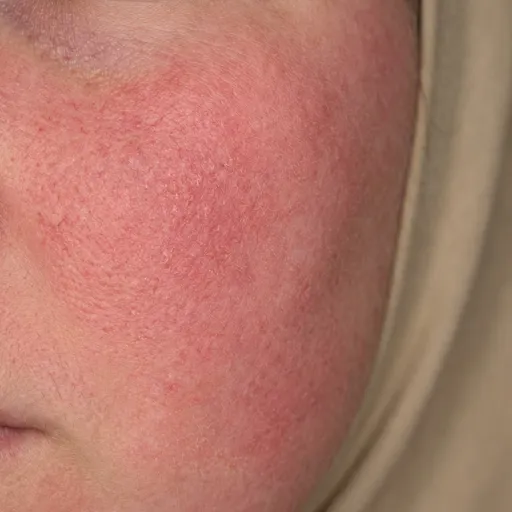
Chemical peels serve as an effective treatment for pigmentation issues, using acidic solutions to exfoliate the skin and promote regeneration. This method targets hyperpigmentation by removing melanin-laden keratinocytes, enhancing an even skin tone.
Understanding the Mechanism
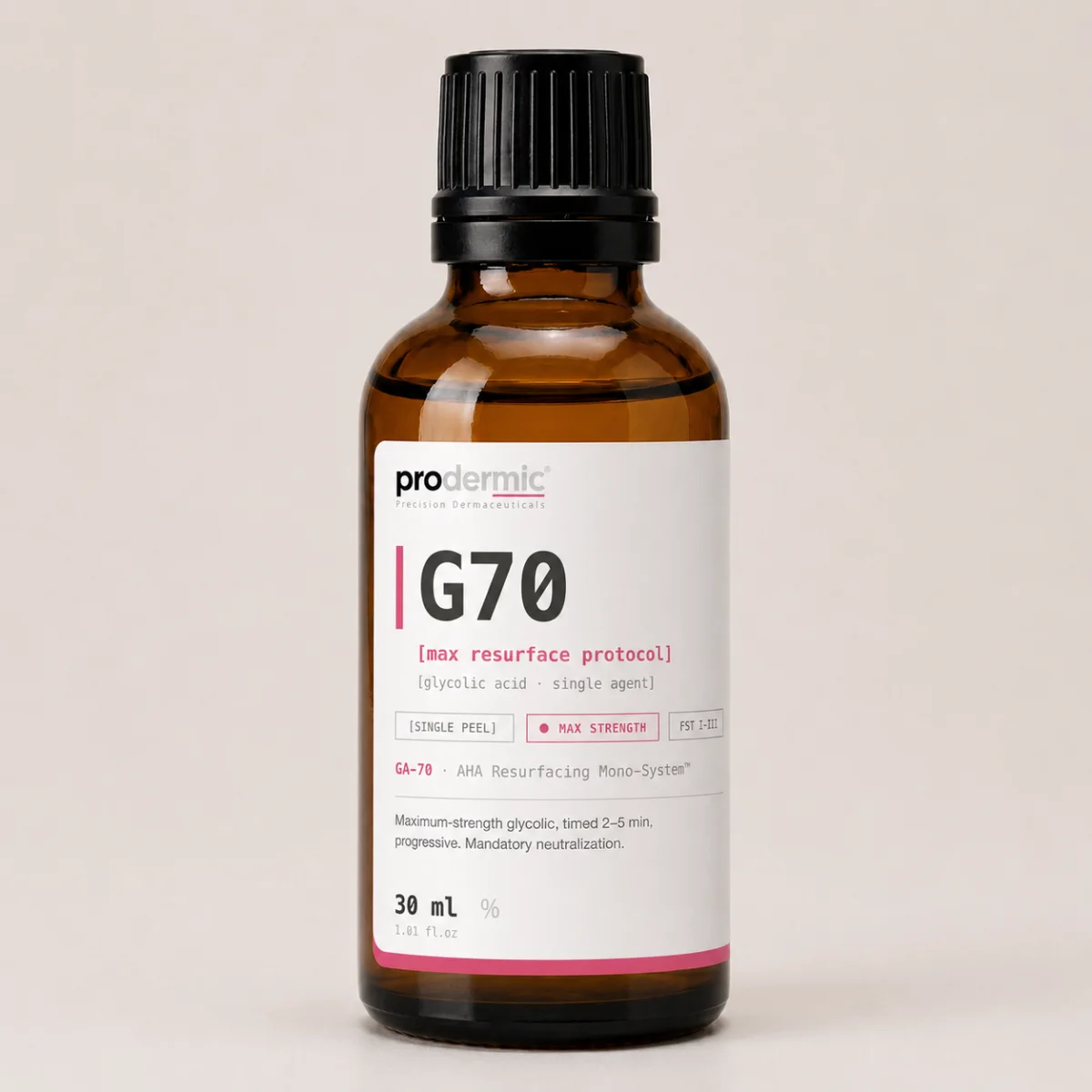
Chemical peels utilize acidic solutions to perform controlled exfoliation, effectively targeting pigmentation by removing melanin-laden keratinocytes. The extent of exfoliation achieved depends on the depth: superficial, medium, or deep peels. Superficial peels typically utilize alpha hydroxy acids (AHAs) like glycolic acid at concentrations ranging from 20% to 70% and beta hydroxy acids (BHAs) like salicylic acid from 10% to 30%. These superficial agents provide a gentle exfoliation by loosening the bonds between cells in the stratum corneum without penetrating the dermis. In contrast, medium-depth peels, often employing trichloroacetic acid (TCA), target the epidermis and upper dermis. Deep peels, such as phenol peels, can reach deeper dermal layers but carry more risks and require more prolonged recovery.
Beyond superficial agents, the effectiveness of medium-depth peels relies on the precise application techniques to ensure uniformity. Applying TCA requires a trained hand to balance the exfoliation without causing unintended dermal injury, especially crucial for areas differing in thickness, such as the periorbital and peri-oral regions.
Efficacy by Depth
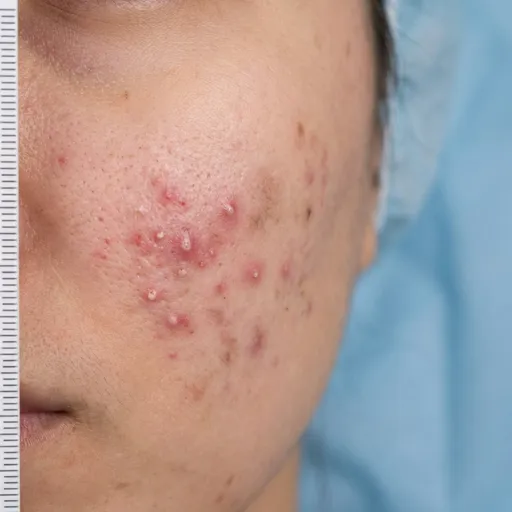
- Superficial Peels: Use agents like glycolic (20-70%) and salicylic acid (20-30%) for mild exfoliation, ideal for mild pigmentation, acne, and surface-level textural concerns. They generally require no significant downtime and are often recommended in a series of treatments to achieve cumulative effects.
- Medium to Deep Peels: These are more invasive, targeting deeper layers of the skin, effective for more pronounced pigmentation and scars, but come with increased potential for adverse effects, such as prolonged erythema and risk of infection.
Superficial peels represent the safest option for patients with darker skin tones. This is because deeper peels can increase the risk of post-inflammatory hyperpigmentation (PIH) due to more aggressive interaction with melanocytes. A strategic approach might involve staggering treatments or spacing sessions with adjunctive therapies like microneedling to further stimulate collagen without exacerbating PIH risks.
Clinical Evidence in Pigmentary Disorders
Clinical trials have demonstrated the efficacy of peels in managing pigmentary disorders, particularly in Fitzpatrick skin types IV–VI. A significant study involving 473 treatments reported a low complication rate of 3.8%, primarily minor and transient, such as crusting (2.3%) and post-inflammatory hyperpigmentation (1.9%), which resolved within eight months.
These findings emphasize the importance of utilizing superficial peels when treating darker skin tones, as the risk of PIH is significantly reduced compared to deeper peels. Regular sessions further optimize outcomes, enhancing overall skin texture and tone while ensuring patient safety.
In addition to the favorable outcomes seen in clinical settings, ongoing patient education concerning the variability of individual responses is essential. This ensures that patient expectations are aligned with achievable results, fostering satisfaction and compliance.
Explore more about comedonal acne approaches.
Comparative Options
Other treatments for hyperpigmentation include topical agents, laser therapies, and microneedling. While each has distinct advantages, chemical peels offer notable cost-effectiveness and accessibility. Topical treatments typically involve agents like hydroquinone, retinoids, and vitamin C, which inhibit melanin production but often require prolonged use with less immediate results.
Lasers provide precision but can be costly and necessitate technical expertise. They target the dermal layers directly, making them suitable for stubborn pigmentation, yet they carry a heightened risk for patients with darker skin types due to potential melanocyte activation. Similarly, microneedling enhances product absorption and skin rejuvenation, though outcomes vary widely based on device and technique.
Combining peels with these modalities can maximize pigment reduction. For instance, using Glycolic Acid Peels in conjunction with lasers may offer an improved pigment-lightening effect while maintaining safety.
Safety Considerations
Particular care is required when performing peels on darker skin types due to the inherent risk of hypo- or hyperpigmentation. A meticulous assessment, conservative peel choice, and diligent pre- and post-treatment care are essential.
Safe Procedures for Fitzpatrick IV-VI
Superficial peels present the safest option, provided appropriate precautions and protocols are observed. Following a structured pre-treatment regimen, including depigmenting agents like azelaic acid or kojic acid, can significantly mitigate the risk of complications.
A comprehensive review supports the safe implementation of these peels in skin of color. Monitoring by trained professionals is crucial, as is patient education to ensure compliance with post-peel care instructions, including sun protection and the use of emollients to support skin recovery.
Adopting post-treatment strategies to manage any emerging PIH is just as crucial. Incorporating compounds such as retinoids can accelerate epidermal turnover, minimizing hyperpigmentation occurrence.
Protocol Overview
-
Patient Selection: Careful selection involves assessing skin type, history of pigmentary disorders, and any predisposition to keloid formation. During the initial consultation, detailed patient history is taken to evaluate any previous adverse reactions, ensuring they understand potential outcomes and risks. Consent forms explaining risks versus benefits are imperative.
-
Pre-Peel Preparation: Implementing a preparatory skin regimen can enhance outcomes. This may include using broad-spectrum sunscreens daily, even in lower UV environments, and depigmenting agents such as a 2-4% hydroquinone or alternatives like tranexamic acid. The addition of antioxidants may also bolster skin resilience.
-
Procedure Steps:
- PreparationCleanse the skin using a non-irritating cleanser. To prevent sensitivity, discontinue retinoids 5-7 days before the peel. Consider omitting potential irritants to reduce the likelihood of post-peel inflammation.
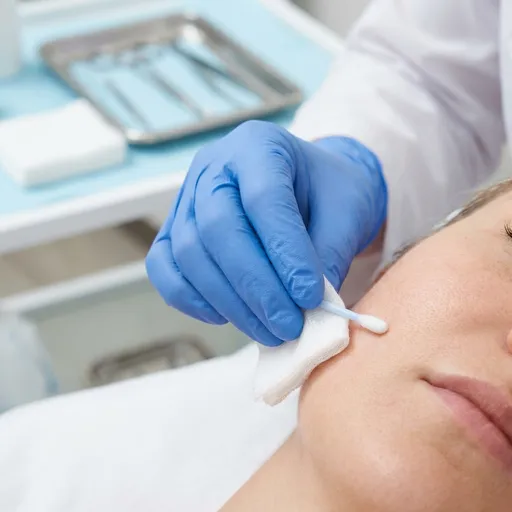
- ApplicationBegin with a test patch if this is the patient's first peel treatment. Apply the peeling agent in a controlled manner, observing for consistent erythema, which indicates uniform penetration. Aim to apply solutions swiftly but methodically to prevent overlap, which could lead to uneven peeling or irritation.
- Neutralize and SootheIf using glycolic or a chemical requiring neutralization, carefully follow this step with a calming mask or soothing serum to minimize irritation. Products with chamomile or green tea extracts can provide additional anti-inflammatory benefits.
-
Follow-Up Care: Post-procedure care includes rigorous sun avoidance, application of a gentle moisturizer with barrier-supporting ingredients like niacinamide, and regular follow-up consultations to monitor skin recovery and effectiveness of the treatment. Reinforcing post-peel care with gentle, hydrated-based cleansers can reduce potential irritation, ensuring optimal healing.
Outcome Management
Discussing realistic outcomes with patients is crucial. Emphasize the potential need for several sessions for optimal improvements, especially for deeper pigmentation issues. Encourage a combination therapy approach for those non-responsive to peels alone.
Combining peels with ongoing topical treatments can enhance pigment reduction efficiency. Emphasizing the importance of sun protection after treatment is vital in preventing pigmentation recurrence.
Frequently asked questions
How often should treatments be repeated?
Generally, superficial peels can be administered every 4-6 weeks, but the frequency can be adjusted based on the patient's skin response, goals, and tolerance. Medium peels need longer recovery intervals of 6-12 weeks. Customization of intervals depends on the treatment goals, with more aggressive treatments spaced longer due to their increased skin turnover demand.
What are potential side effects?
Common side effects include temporary redness, peeling, and minor crusting. These effects are typically short-lived, resolving within a week. More profound peels may induce deeper erythema or irritation, requiring careful monitoring. Monitoring infection signs due to micro-injuries is crucial in maintaining patient safety throughout the recovery phase.
Is pre-treatment required?
Pre-treatment regimes allow for safer peeling and improved outcomes. This usually involves sun avoidance, regular use of sunscreen, and in some cases, skin-lightening agents to minimize post-peel pigmentation alterations. Gradual acclimatization of the skin through reduced chemical exposure or dermatological calming agents greatly aids procedural recovery.
Do chemical peels work for all types of hyperpigmentation?
While effective for many conditions, such as melasma and sun damage, results can vary. A multi-modality approach, combining peels with topical agents or other treatments like microneedling, enhances efficacy significantly. Considers Cosmelan Forte Techniques as complementary interventions for tailored pigmentation concerns.
By meticulously following protocols and setting realistic expectations, chemical peels can substantially improve pigmentation issues, particularly for Fitzpatrick skin types IV–VI, ensuring satisfaction and safety. For more detailed protocols, explore our Yellow Peel Guidelines and Cosmelan Forte Techniques.
References
Related Protocols
~20 sessions
~24 sessions
~24 sessions