Comedonal Acne: An Evidence-Based Approach to Closed Comedones for the Aesthetic Practitioner
Explore evidence-based treatments for comedonal acne, focusing on closed comedones, for Fitzpatrick IV–VI skin types.

Comedonal acne, characterized by closed comedones or whiteheads, is a common skin condition caused by the obstruction of hair follicles with keratin and sebum. This blockage remains beneath the skin’s surface, leading to non-inflammatory lesions often exacerbated by factors such as hyperkeratinization, increased sebum production, and proliferation of Cutibacterium acnes.
In individuals with Fitzpatrick skin types IV–VI, heightened sebaceous activity coupled with the risk of post-inflammatory hyperpigmentation (PIH) presents unique treatment challenges. An evidence-based approach is pivotal for ensuring effective management without exacerbating pigmentation issues.
Understanding Comedonal Acne Mechanism
Comedonal acne evolves with the accumulation of keratin and sebum within the follicle. In Fitzpatrick IV–VI skin, this can be more pronounced due to naturally higher sebum production. The pathophysiological sequence begins with hyperkeratinization, which leads to follicular plugging. Sebaceous glands then increase activity, producing more sebum, which combines with keratin to form the comedone. PIH remains a primary concern, necessitating treatments that control acne without inducing secondary pigmentation issues.
Hormonal Influences
Increased androgens can amplify sebaceous gland activity, hence, hormonal evaluation might be warranted in resistant cases. Oral contraceptives and anti-androgens like spironolactone are often considered for female patients with concurrent signs of hyperandrogenism. Hormonal therapy can be highly effective, especially in young women experiencing comedonal acne tied to menstrual cycles or hormonal imbalances.
Treatment Modalities
Topical Retinoids
Adapalene, a topical retinoid, is central in normalizing keratinization and reducing comedone formation. It works by binding to nuclear retinoic acid receptors to regulate gene expression and cell differentiation. In clinical settings, adapalene 0.1% gel has been shown to reduce comedonal lesions by approximately 60% over 12 weeks, proving efficient in both initiation and maintenance phases.
Application Technique:
Apply a pea-sized amount to the entire face once daily at bedtime, avoiding the eyes, lips, and mucous membranes. A gradual introduction (every other night for the first two weeks) can help mitigate initial irritation such as dryness and peeling. The slow titration allows the skin to adapt over time without overwhelming the barrier function. Educating patients on this technique is vital to ensure adherence and minimize dropout rates.
Benzoyl Peroxide (BPO)
BPO provides dual benefits of comedolytic and antibacterial action. It helps decrease C. acnes colonization and reduces inflammation. Sealing its efficacy, BPO 2.5% and 5% gels have demonstrated a 21-52% reduction in comedonal lesions, making it an effective adjunct to retinoids. For maximum effect and minimal irritation, initiating treatment with lower concentrations is recommended. This approach helps reduce the risk of skin irritation which is often a barrier to patient compliance.
Application Considerations:
Perform a patch test before full application. Use a hydrating, non-comedogenic moisturizer to counteract dryness, often applied 30 minutes after BPO. This timing allows BPO to fully absorb, minimizing potential irritation caused by layered products.
Azelaic Acid
An agent known for antimicrobial and anti-inflammatory qualities, azelaic acid modulates keratinization to unclog pores. Clinical use has shown reduction rates of 30-50% over 12 weeks, with high tolerability in darker skin types. This makes azelaic acid a highly suitable option for those wary of retinoids. Its use is especially recommended where pigment discoloration is a risk, given its minimal irritating potential.
Usage Tips:
Azelaic acid 20% cream can be applied twice daily. It should be used cautiously in conjunction with other exfoliating agents to avoid the compound irritation which can lead to PIH.
Combination Treatments
The efficacy of combination therapy, such as adapalene 0.1% with BPO 2.5%, surpasses single-agent treatments, achieving around 60% reduction in lesions over 12 weeks. This combination offers a balance of high efficacy with minimized adverse effects. Fixed-dose products simplify regimens, increasing patient compliance by reducing the number of separate applications required each day.
Protocol Strategies for Fitzpatrick IV–VI
Consider a phased approach:
- Initiation: Start with adapalene 0.1% gel every other night to mitigate potential irritation.
- Combination Therapy: Introduce BPO 2.5% gel in the mornings after 2-4 weeks if tolerated, as combination therapy can achieve better results with reduced peak side effects.
- Azelaic Acid Usage: For susceptible populations, azelaic acid 20% cream can be applied twice daily. Its application as a standalone or in combination with a gentle regimen can prevent irritation.
- Monitoring and Sun Protection: Regularly assess treatment efficacy and ensure daily use of broad-spectrum sunscreen to prevent PIH. Educate patients about UV protection to further minimize pigmentation risk.
Practical Application Insights
Regular monitoring of treatment effectiveness is essential. Clinicians should reassess every 4-6 weeks and adjust regimens accordingly, prioritizing both acne control and prevention of pigmentation changes. In cases of irritation, the frequency of retinoid application can be reduced, or short-contact therapy can be used as an alternative. Patients benefit from keeping a symptom diary to document any reactions or improvement, facilitating a more targeted therapy adjustment.
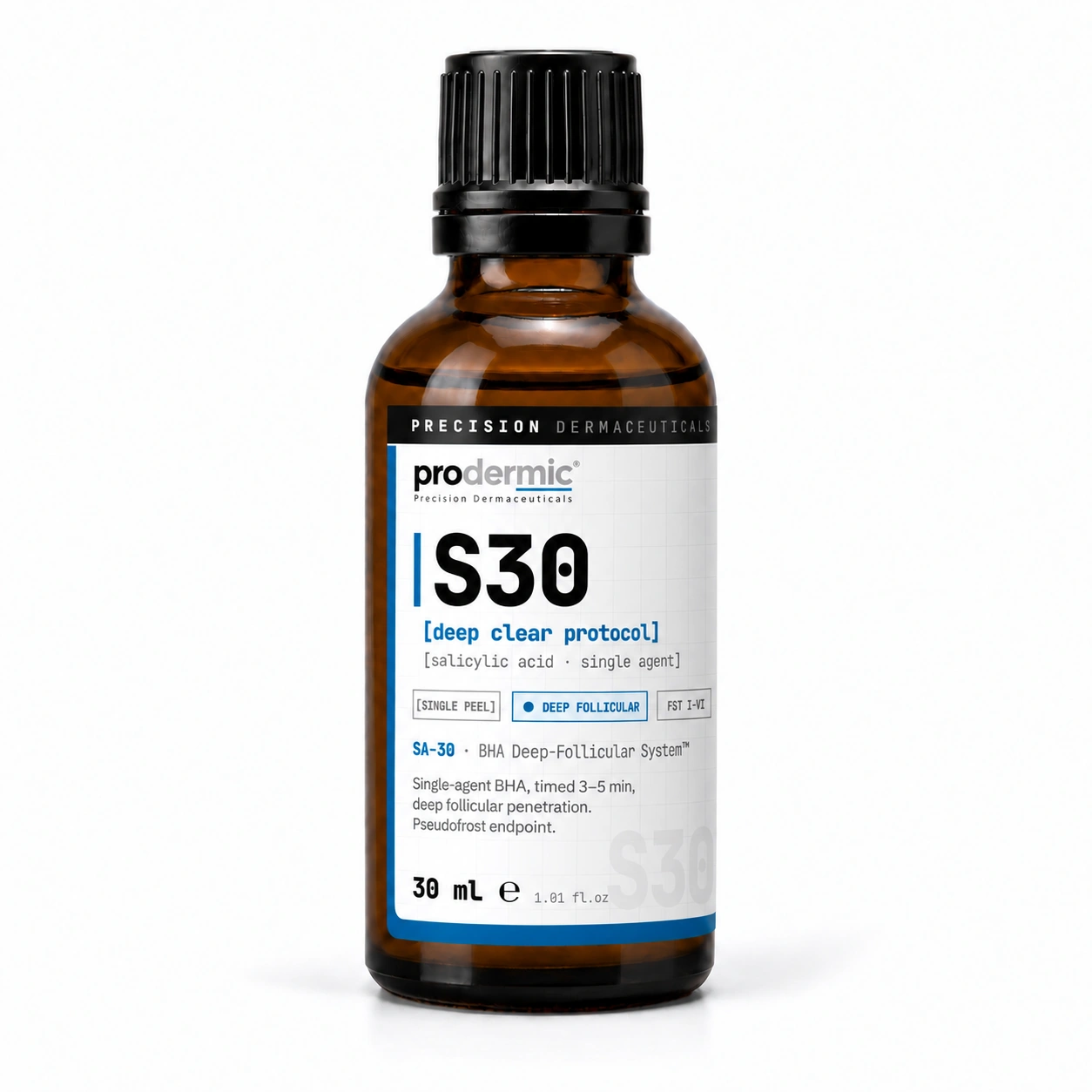
Consider integrating a structured peel protocol from the Prodermic range into practice for managing post-acne marks.
Acne in Skin of Color: Why Standard Acne Protocols Backfire on Fitzpatrick IV-VI highlights these principles further.
Emerging Treatments and Research
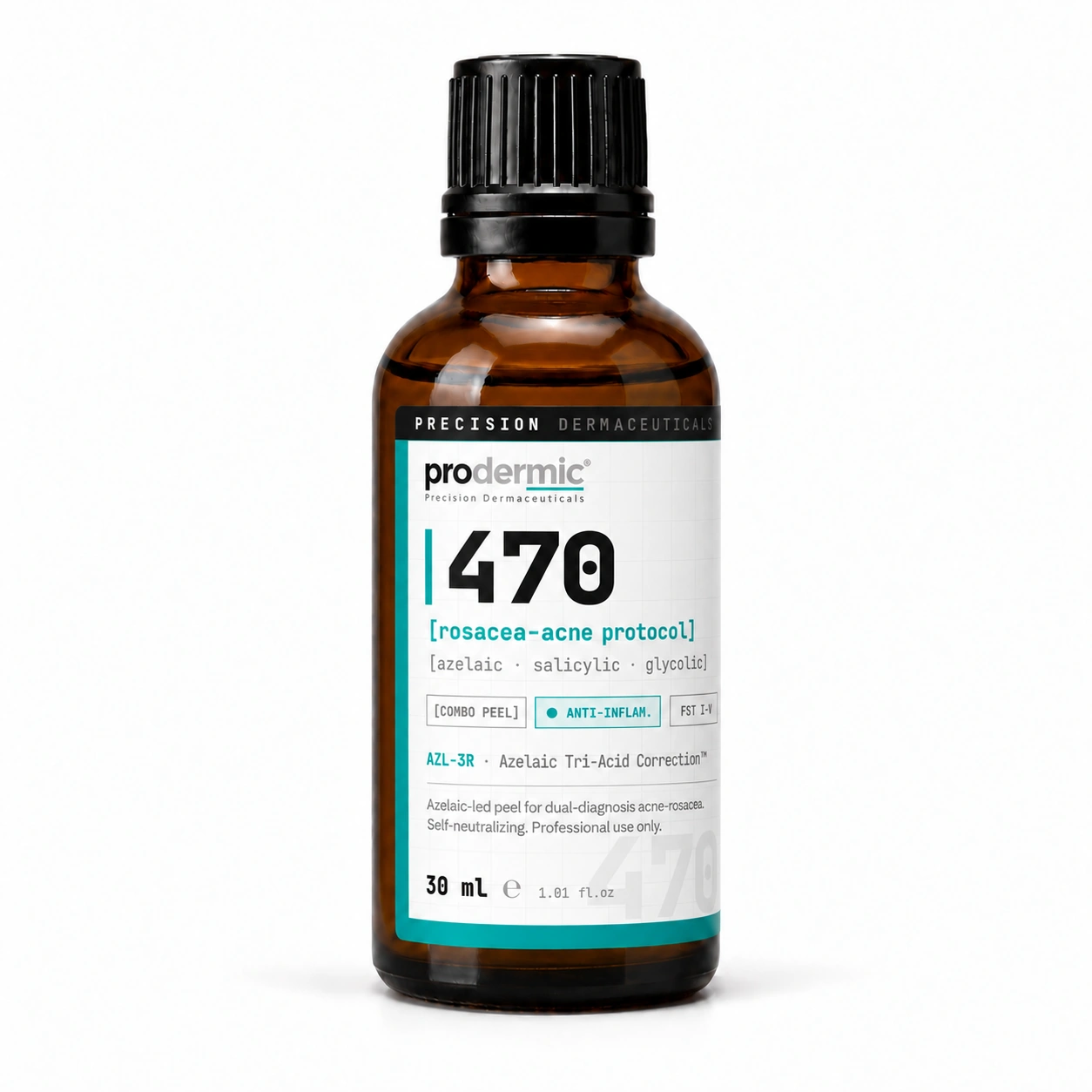
Further exploration into chemical peels and alternative modalities, such as the Azeliac Acnil protocol for comedonal acne in skin of color, can enhance therapeutic outcomes. Chemical peels such as salicylic acid or glycolic acid peels can offer an adjunct treatment to control comedones and may enhance penetration of topical treatments. These peels gently exfoliate the stratum corneum, fostering better product absorption and efficacy.
Building a Chemical-Peel Service Line: Pricing, Margin, and Throughput for Indian Clinics provides insight into expanding treatment capabilities.
Considering adjunctive therapies like oral isotretinoin for severe comedonal acne may also be viable, especially when topical treatments fail, though they must be approached with care due to the associated risk of PIH and monitoring requirements for systemic side effects. Isotretinoin is usually reserved for cases where other treatments are not sufficient owing to its potential for serious side effects and necessary patient monitoring.
For information on glycolic peels, see 70% Glycolic Acid Peel: Clinical Protocol, Indications & Safety.
FAQs
How does comedonal acne differ in Fitzpatrick IV–VI skin types?
Comedonal acne in these skin types tends to present with increased sebaceous activity and a higher risk of PIH. The inherent melanin contributes to pigmentation changes easily, necessitating careful product selection and patient education on adherence. Differences in the skin barrier and response to topical agents are pronounced, requiring a tailored approach.
What makes azelaic acid particularly effective in darker skin types?
Azelaic acid is less likely to cause irritation or PIH, making it ideal for sensitive and darker skin tones prone to pigmentation changes. Its anti-inflammatory properties make it beneficial in treating mild inflammatory acne as well. It is also a tyrosinase inhibitor, indirectly helping manage pigmentation concerns.
Can combination therapy be initiated immediately?
It’s advisable to begin with a single agent like a low-concentration retinoid and introduce combinations once tolerance is established to prevent irritation and compounded PIH. Titration allows for an individualized approach based on patient feedback.
What role do moisturizers play in the treatment regimen?
Moisturizers are crucial in maintaining the skin’s barrier function. A non-comedogenic, hydrating moisturizer should be a staple in the regimen, applied liberally to counteract potential dryness from active treatments. Humectants like glycerin can boost hydration without clogging pores.
Are there procedural interventions available?
In-office procedures such as chemical peels and light therapies can be adjunctive treatments for persistent comedonal acne. Light-based therapies may help reduce sebum production and inflammation. Procedures need cautious administration to avoid post-procedure pigmentation issues in darker skin.
For further reading on Choosing the Right Peel by Fitzpatrick Type and Cosmelan vs Dermamelan vs Chemical Peels, explore our detailed guides that span related treatments and protocols.
Conclusion
Comedonal acne in Fitzpatrick IV–VI skin types requires a nuanced approach that addresses sebum production, keratinization, and pigmentation concerns. Through appropriate product selection, patient education, and regular monitoring, acne practitioners can effectively manage this condition while minimizing the risk of adverse effects. Access to evidence-based protocols and the latest advancements in treatment options remain crucial for enhanced patient outcomes. Constant dialog between clinician and patient ensures customization and adherence to the treatment regimen, supporting optimal results.