


Post-Peel Pigmentation Trials in Skin of Color: What the Evidence Actually Shows for Fitzpatrick IV-VI
Explore evidence on post-peel pigmentation in Fitzpatrick IV-VI skin types and how to minimize PIH risks.

Post-inflammatory hyperpigmentation (PIH) poses a significant concern for patients with Fitzpatrick IV-VI, especially after chemical peels. This article delves into what trials actually reveal about post-peel pigmentation in darker skin types and offers evidence-based strategies to prevent adverse outcomes.
Chemical peels are a popular procedure for various dermatologic conditions, but their use in skin of color requires careful consideration due to the risk of PIH. This prelude of inflammation activates melanocytes, potentially exacerbating pigmentation concerns.
Understanding the Mechanism of Peels
Basic Mechanisms
Chemical peels induce controlled injury to the skin, promoting desquamation and stimulating epidermal renewal. The depth of penetration categorizes peels into superficial, medium, or deep. Superficial peels affect only the epidermis and are safer for darker skin tones. Medium and deep peels penetrate further and pose higher risks for color changes in Fitzpatrick IV-VI.
When applied, these chemical agents, such as alpha-hydroxy acids (e.g., glycolic acid) or beta-hydroxy acids (e.g., salicylic acid), initiate exfoliation and facilitate the regeneration of new skin. The choice of acid and concentration must be tailored to the skin type and desired outcomes.
Clinical Considerations
In skin types IV-VI, characterized by higher melanin content, even superficial interventions can inadvertently trigger PIH. An understanding of the biochemical responses—including inflammatory mediators and melanocyte activity—is critical.
Understanding how melanocytes react post-injury helps refine treatment protocols. Basic Inflammatory Hyperpigmentation (BIH) occurs due to the release of cytokines and inflammatory mediators, which melanocytes respond to by increasing melanin production.
Depth and Selection Nuance
Choosing the correct peel depth is crucial in preventing unwanted pigmentation changes. Superficial peels, such as those utilizing lactic or mandelic acids, are preferred for their gentle impact. The role of chemical concentration and application technique cannot be understated. For example, a 15-30% glycolic acid concentration is often chosen for its balance of efficacy and safety in Fitzpatrick IV-VI.
Clinical Evidence in Skin of Color
A systematic review assessing 1,356 individuals demonstrated that chemical peels were only modestly successful in managing PIH, used in 9% of documented cases. Observation across multiple studies (PubMed) revealed that while topical regimens offered success, peels had a supplementary role.
In another study, 19 patients underwent glycolic acid peels combined with hydroquinone and tretinoin. The results showed no statistically significant improvement over standalone topical regimens (PubMed). This highlights a critical need for combination therapies that address multiple pathways of pigment production.
Studies and Findings
A diverse array of peels, including salicylic and mandelic acids, has been trialed for their efficacy and safety in skin of color. Their effectiveness varies, with the superficial nature providing a safer approach. However, the studies emphasize a conservative approach, highlighting the importance of a preparative skincare regimen.
Notably, mandelic acid peels have gained popularity due to their slower penetration rate and reduced risk of irritation, making them suitable for sensitive, darker skin. Their antibacterial properties also provide ancillary benefits for those with acne-prone skin.
Alternatives and Comparisons
Retinoids provided partial improvements in 85% of participants in complementary treatments. Laser therapies, though effective, increased the risk of PIH, highlighting the importance of individualizing therapy (PubMed).
Fair comparisons have been drawn between chemical peels and other interventions like laser treatments. While peels are mild, lasers offer deeper penetration but are prone to complications in pigmented skin.
Combination Therapies
Combination therapies employing topical agents like azelaic acid and kojic acid have demonstrated a synergistic effect in reducing pigmentation while enhancing overall skin texture. These agents, when used pre-peel, can optimize outcomes by downregulating melanin synthesis prior to chemical exfoliation.
Safety Guidelines for Darker Skin
Pre-Peel Preparation
Incorporating a strategic two to four-week pre-treatment regimen can effectively stabilize melanocytes. Topical treatments with retinoids and hydroquinone are fundamental to reduce reactive melanocyte activity.
- Retinoids: Facilitate cell turnover and improve skin texture, indirectly aiding in pigment reduction.
- Hydroquinone: Reduces melanin synthesis and serves as an essential tool in pre-peel preparation.
Other agents, such as niacinamide, are shown to reduce inflammation and soothe the skin, acting as protective adjuncts to mainstays like hydroquinone. Cosmetic Procedures in Skin of Color: A Risk-Stratification Guide for Aesthetic Practitioners provides further insights into these preparatory measures.
Peel Selection and Procedure
Superficial glycolic acid peels are generally the safest option. However, selecting the proper concentration and ensuring even application is crucial.
- PrepUse a pre-peel regimen: retinoids and hydroquinone
- ApplyEnsure even application of the chemical agent
- Post-careStress the use of sunscreen and sun avoidance
Ensure the procedure accounts for an even application to avoid overexposure and potential hotspots. Intra-procedural monitoring helps identify adverse reactions early.
Post-Peel Care
Post-treatment care is as essential as the procedure itself. Encourage daily application of a broad-spectrum sunscreen, emphasizing its role in prevention.
- Sunscreen: Use a broad-spectrum formulation with at least SPF 30.
- Moisturization: Maintain skin hydration to aid barrier repair.
Schedule treatments in intervals of four weeks and aim for a series of 3 to 5 sessions for optimal results. Consider patient's lifestyle and seasonal variations, which may influence outcomes (Medscape).
Advanced Topics in PIH Management
Integrating Technology
Innovative solutions such as digital dermoscopy can be invaluable in tracking pigmentation changes over time, allowing clinicians to adjust treatments proactively.
Photoprotection Strategies
Incorporating physical blockers in addition to chemical sunscreens can enhance sun protection, especially in outdoor environments. Education on the consistent application is key to long-term pigment stabilization.
Nutraceuticals
Emerging evidence suggests that certain oral supplements, such as those containing Polypodium leucotomos and vitamin C, may support skin resilience against UV damage, potentially contributing to PIH prevention.
Novel Therapeutics
Research into novel agents like tranexamic acid, which can be administered orally or topically, shows promise in reducing PIH by inhibiting plasminogen activation in keratinocytes, thereby decreasing melanocyte-stimulating factors.
FAQs
Are chemical peels safe for darker skin tones?
Superficial peels, especially those based on glycolic acid, have demonstrated safety when used judiciously. The key is careful management and adherence to protocols to minimize PIH risk.
How can PIH be managed in skin of color?
A combination approach using topical agents before and after the peel, coupled with stringent sun protection measures, forms the cornerstone of effective PIH management.
What aftercare is essential following a peel?
Adhere to a rigorous skincare regimen post-peel, focusing on hydration and sun avoidance, with a strong emphasis on continuous sunscreen application.
How to select the right chemical peel?
Selecting the right peel involves evaluating skin condition, pigmentation concerns, and patient expectations. Consultation with a dermatologist ensures that these factors are aligned to provide the safest, most effective treatment strategy.
Can peels be combined with other treatments?
Yes, integrating peels with modalities such as microdermabrasion or micro-needling can amplify results but must be approached cautiously given the heightened PIH risk in skin of color.
Explore more about safe peel application in Building a Chemical-Peel Service Line: Pricing, Margin, and Throughput for Indian Clinics, detailing how to structure services in a clinic setting, and learn about strategic acid selection in Salicylic, Glycolic, Lactic, or Mandelic: Choosing the Right Peel by Fitzpatrick Type.
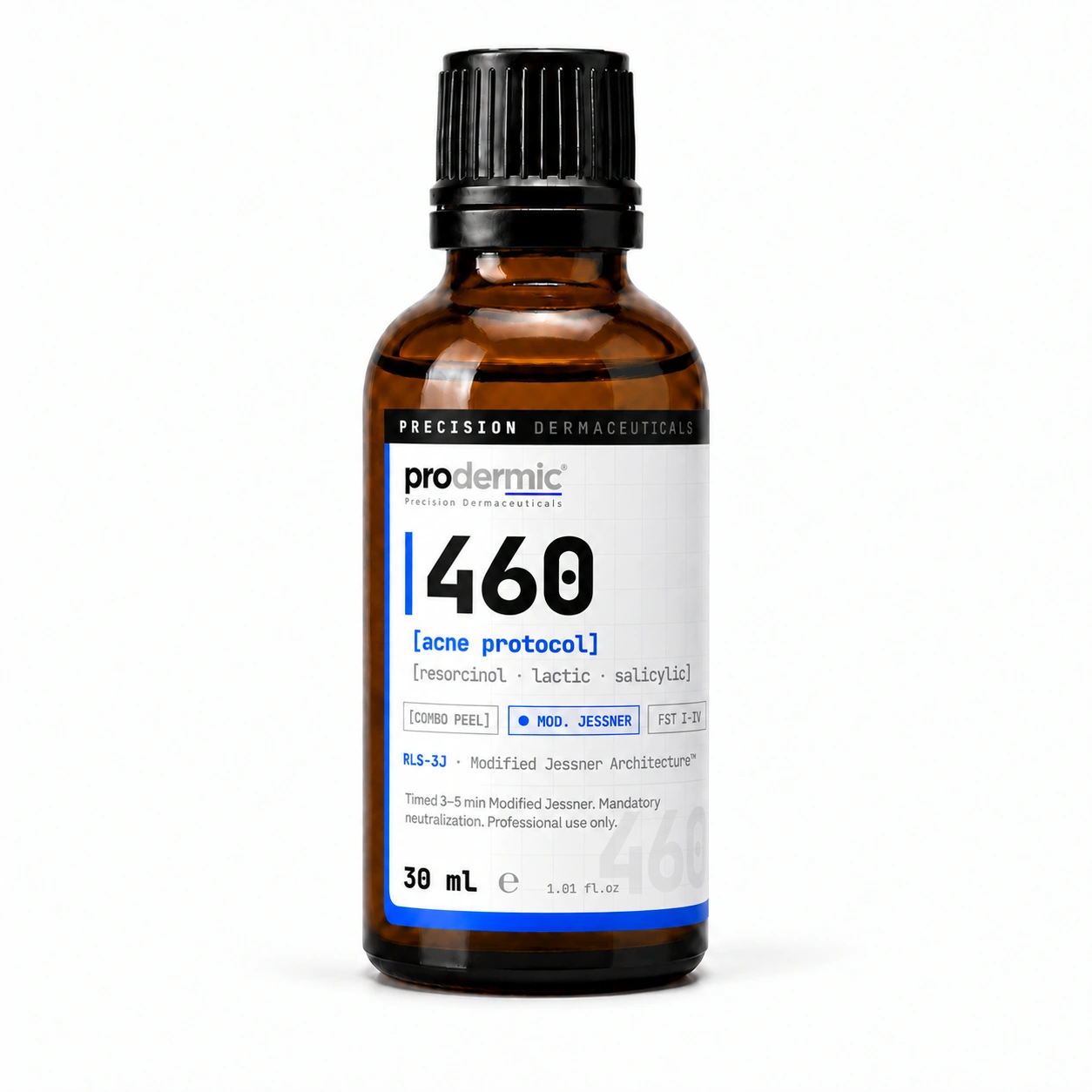
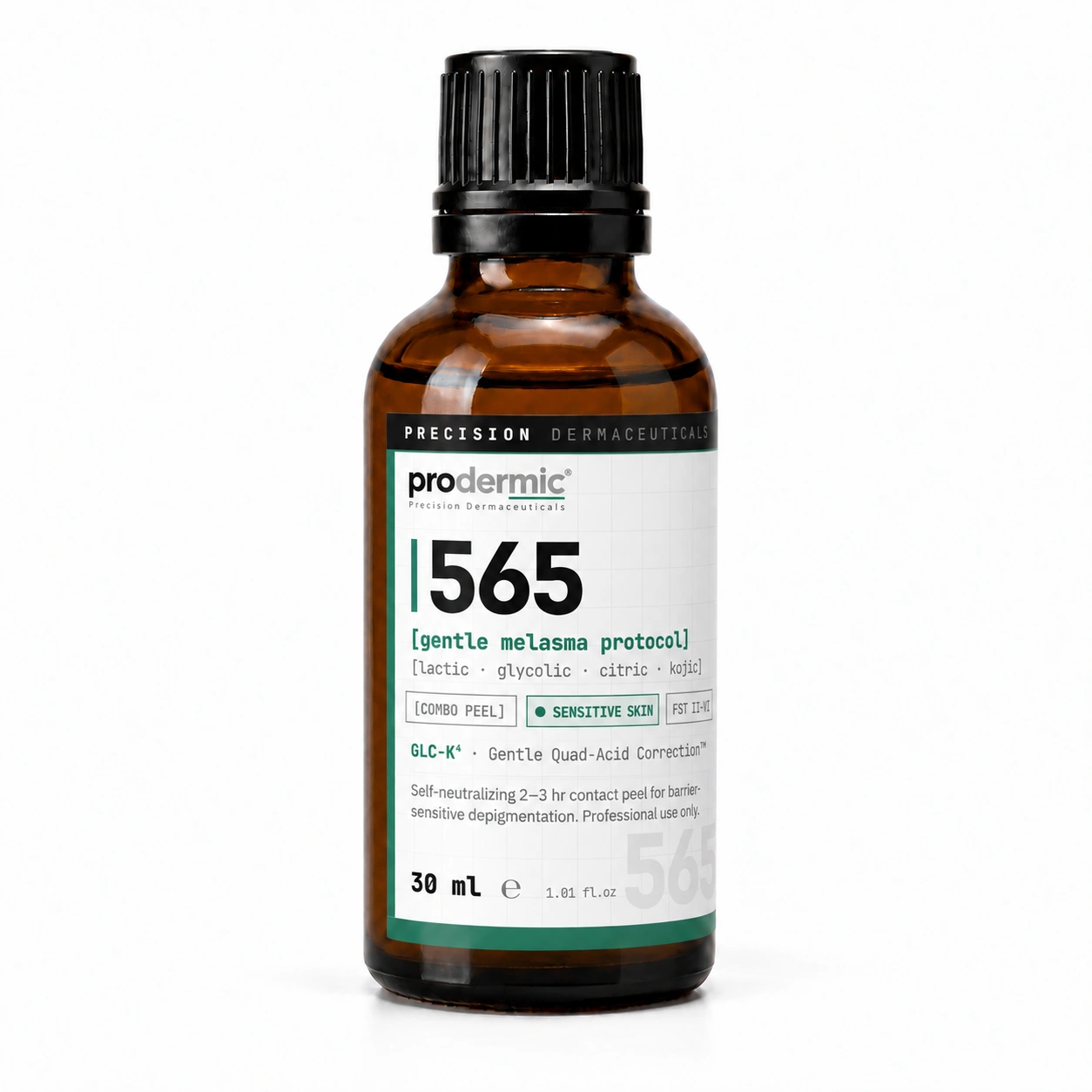
Refer to specific protocols like 460 - Jessner Peel and 565 - Melasmonil Peel for more detailed guidance on integrating these treatments.
These insights guide clinicians in adopting safer, evidence-backed practices specifically tailored for patients with darker skin tones, enabling more informed decisions and improved patient outcomes.
References
Related Protocols
~20 sessions
~24 sessions
~24 sessions