


Fitzpatrick Typing in Practice: Why Self-Report Misclassifies and How to Type Reliably
Explore why self-reporting misclassifies Fitzpatrick types and learn reliable methods for dermatological practice.

The Fitzpatrick Skin Type (FST) classification was established in 1975 to categorize skin based on its reaction to ultraviolet (UV) exposure, primarily focusing on its propensity to burn or tan. While invaluable in tailoring treatments and assessing sunburn risk, this system can be prone to inaccuracies, especially when individuals self-report their skin type. Recent studies underscore the discrepancies in self-reported vs. clinician-assessed FST, highlighting the need for more reliable methods in dermatological practice.
Understanding the Fitzpatrick Skin Type System
The Basics
Introduced over four decades ago, the Fitzpatrick Skin Type system classifies skin into six categories (I to VI). Each type describes how skin reacts to sun exposure, an important factor in dermatological treatments, particularly for cosmetic procedures in skin of color, where treatment responses can vary significantly.
- Type I: Always burns, never tans. These individuals typically have very light skin, possibly with a reddish hue and freckles. They are highly susceptible to UV damage and may struggle with prolonged sun exposure without protection. Melanogenesis is limited, providing minimal natural photoprotection.
- Type II: Usually burns, tans minimally. Often fair-skinned, Type II individuals can tan very lightly but are mostly at risk for burns without adequate protection. Their photoprotection primarily relies on external sunscreens.
- Type III: Sometimes burns, tans uniformly. This is a middle range where the skin can adapt to sun exposure, producing a moderate tan. Diverse ethnic backgrounds can present with this type, showcasing varying responses to phototherapy and aesthetic procedures.
- Type IV: Rarely burns, tans easily. Common among those with Mediterranean, Hispanic, or Asian backgrounds, Type IV skin tans readily, providing inherent UV protection that impacts treatment protocol considerations.
- Type V: Very rarely burns, tans very easily. Individuals with this type often have darker skin tones and are highly resilient to sun exposure. Despite their resilience, appropriate care in aesthetic treatments such as Jessner's Peels remains crucial to avoid complications.
- Type VI: Never burns, deeply pigmented. Characterized by a rich pigment, common in individuals of African descent, their natural adaptation to UV exposure nonetheless requires careful treatment planning to avoid dyspigmentation.
Evolution and Importance
The classification originally focused on sunburn response to guide phototherapy but has evolved to impact all realms of dermatology. Understanding each type's sun exposure response aids in predicting treatment outcomes, influencing decisions in selecting appropriate interventions like sunscreen formulations, chemical peel treatments, and laser procedures.
Moreover, FST is crucial for scheduling and planning therapeutic session frequency, notably for 70% Glycolic Acid Peels and other intensive treatments. Clinicians must discern between acute response variations and baseline type to ensure safety and efficacy.
Clinician vs. Self-Assessment
Clinical Relevance
Self-reported FST often deviates from clinician assessments. A recent study demonstrates that provider-assigned FST is typically more accurate, pinpointing the role of clinician experience and nuanced understanding of ethnic influences in these discrepancies. Misclassification can have significant clinical implications, affecting treatment safety and efficacy, particularly in individuals with darker skin types where standard acne protocols might backfire.
- Role of Experience: Clinicians, trained to notice subtle color and texture variations, significantly reduce misclassification risks. This expertise becomes crucial when tailoring treatments like Jessner's Peels, where precise dosage and regimen can impact outcomes drastically.
- Racial and Ethnic Considerations: Misclassification risk increases when self-report doesn't consider mixed ethnic backgrounds accurately. Clinicians often use a combination of visual assessment and patient history for more precise typing. Understanding genetic influences on melanin production assists in precision care.
Why Self-Report Often Fails
Limitations of Self-Reporting
Self-assessment lacks the nuanced understanding that clinicians provide. Many individuals, especially those with skin of color, inaccurately classify themselves, which can skew treatment decisions and outcomes.
- Subjective Biases: The subjective nature of self-perception allows room for errors. Cultural factors and personal biases about beauty standards may influence self-reporting. Dermatology practices must guide patients through objective skin assessments to avoid bias-induced errors.
- Incomplete Data: Pigmentary phenotypes and self-assigned race often fail to capture the true FST, potentially leading to adverse effects like post-inflammatory hyperpigmentation (PIH).
For instance, chemical peels require precise FST identification to adjust acid concentrations safely. An inaccurate self-assessment can lead to inappropriate peels for the skin type, causing prolonged erythema or unwanted pigmentation, crucial to avoid in cosmetic practices.
Enhanced Accuracy Through Objective Tools
Sophisticated tools, such as spectrophotometers, are becoming essential in practice to objectively measure melanin density in the epidermis. These instruments help differentiate between natural melanin pigmentation and temporary inflammation-induced redness, offering a more reliable FST assessment.
Spectrophotometry and Its Benefits
By using spectrophotometry, clinicians can accurately assess true skin type and tailor treatments more effectively. This method mitigates risks of adverse reactions that can arise from subjective skin typing and allows for:
- Greater Precision: Objective readings remove guesswork, reducing room for error in procedures reliant on precise phototype assessment.
- Enhanced Treatment Safety: By tailoring interventions to exact skin types, clinicians minimize risks like burns or unexpected pigmentation changes. This is particularly relevant in treatments involving glutathione peels.
Educating Patients: Enhancing Outcomes
Demystifying Self-Assessment
Educating patients about the limitations of self-reported skin typing can significantly improve clinical outcomes. Empowering patients with knowledge about the importance of accurate Fitzpatrick typing builds confidence and compliance with prescribed treatment plans.
- Empowering Patients: Providing insights about professional evaluation is critical in building trust and proactive participation in skin care regimens. Visual aids and educational seminars on FST determination can empower patients.
Practical Implications for Dermatology Practitioners
Clinician-Led Assessments
Incorporating clinician-evaluated FST into practice determines not only treatment suitability but influences both safety and satisfaction outcomes. Understanding pigmentation response nuances in Indian skin is imperative for quality care, especially concerning pigmentation disorders.
Integration of Objective Assessments
Employing objective tools supports more accurate skin pigmentation evaluations, minimizing misclassification and enhancing dermatological care. Innovative resources like Cosmelan Forte align with these efforts, boosting patient confidence in treatment plans. Clinics can develop protocols to seamlessly integrate such technology.
Implementing Protocols and Training
Regular workshops on advanced FST assessment techniques can ensure that staffs are equipped to utilize both subjective and objective methods effectively. Integrating objective tools in routine evaluations can be bolstered by clinical protocols like Acnil & Lightening, providing framework consistency and improving patient outcomes.
Additionally, resources such as the 70% Glycolic Acid Peel: Clinical Protocol, Indications & Safety can further enhance treatment planning frameworks, keeping patient safety at the forefront. Regular protocol reviews ensure optimal application and patient-specific adaptations.
Conclusion
Accurate Fitzpatrick typing is crucial in dermatological practices, ensuring that treatment plans are both effective and safe. While self-reported FST often misleads, clinician assessments, informed by objective tools, can provide reliable and beneficial outcomes.
- Consolidation of Practices: Combining clinical experience with technological tools promises the highest accuracy, particularly in specialized treatments like chemical peels. Clinics must strive to integrate these practices continuously to maintain cutting-edge care.
Frequently asked questions
Why is Fitzpatrick skin typing important for dermatology?
Fitzpatrick skin typing guides customized treatment plans, playing a vital role in procedures involving sun exposure or irritation, with responses varying according to skin type, influencing formulation and technique choices.
How do spectrophotometers contribute to accurate Fitzpatrick typing?
Spectrophotometers measure melanin density objectively, distinguishing natural pigmentation from inflammation-driven color changes, thus increasing skin type accuracy essential for safety in procedures like Jessner Peels.
What are the risks of misclassifying skin type?
Mistakes can lead to unsuitable treatment choices, possibly resulting in adverse effects like hyperpigmentation or scarring. Accurate skin typing mitigates these risks, ensuring optimum outcomes, especially in treatments for conditions like acne using salicylic peels.
Can patients self-evaluate their skin type accurately?
Generally, self-assessment is prone to errors due to subjective biases and incomplete information. It's advisable to rely on a clinician’s evaluation, potentially supported by objective tools, for precise classification.
How can clinics incorporate accurate Fitzpatrick skin typing into practice?
Clinics should integrate clinician evaluations with advanced tools like spectrophotometers to ensure precise skin type assessments, reinforcing individualized treatment regimens, which could include protocols like Melasmonil Peel.
- Collaborative Care: Sharing insights with patients about the importance of accurate skin typing enhances understanding and cooperation, making them part of the care strategy.
What are the benefits of clinician-assessed skin typing over self-reporting?
Clinician-assessed skin typing drastically reduces risk by improving treatment customization, playing a critical role in successfully managing a spectrum of dermatological concerns like acne and melasma, especially in diverse populations. By understanding specific patient backgrounds, personalized care becomes a practical reality.
By integrating these practices into daily operations, dermatology clinics can ensure higher precision, efficacy, and patient satisfaction. This commitment to accurate FST not only increases safety but also elevates the standard of care provided.
References
- Fitzpatrick Skin Type Self Reporting Versus Provider Reporting: A Single-center, Survey-based Study
- Self-reported pigmentary phenotypes and race are significant but incomplete predictors of Fitzpatrick skin phototype in an ethnically diverse population
- Laser Fitzpatrick Skin Type Recommendations - StatPearls
- Fitzpatrick skin typing: applications in dermatology
Related Protocols
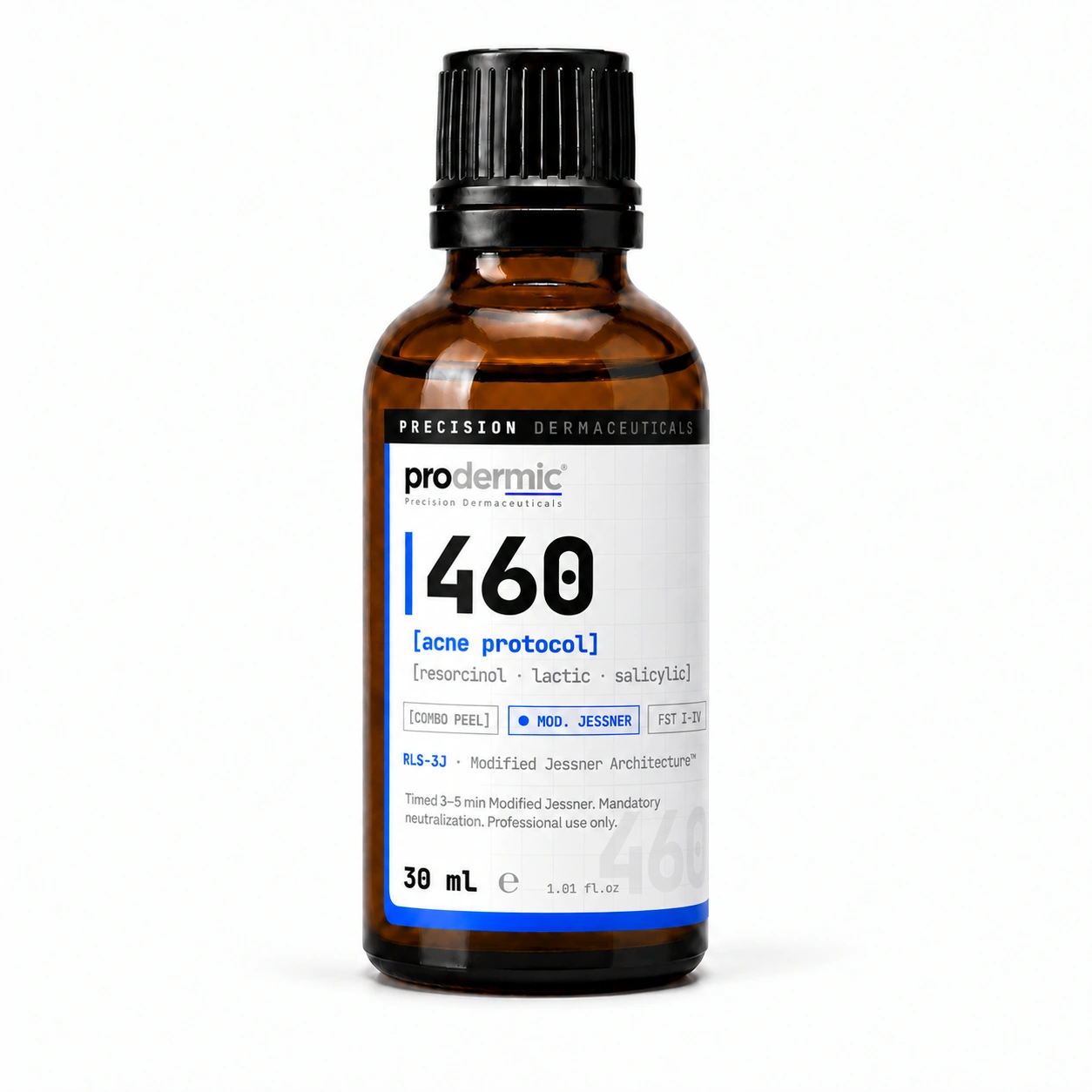
~24 sessions
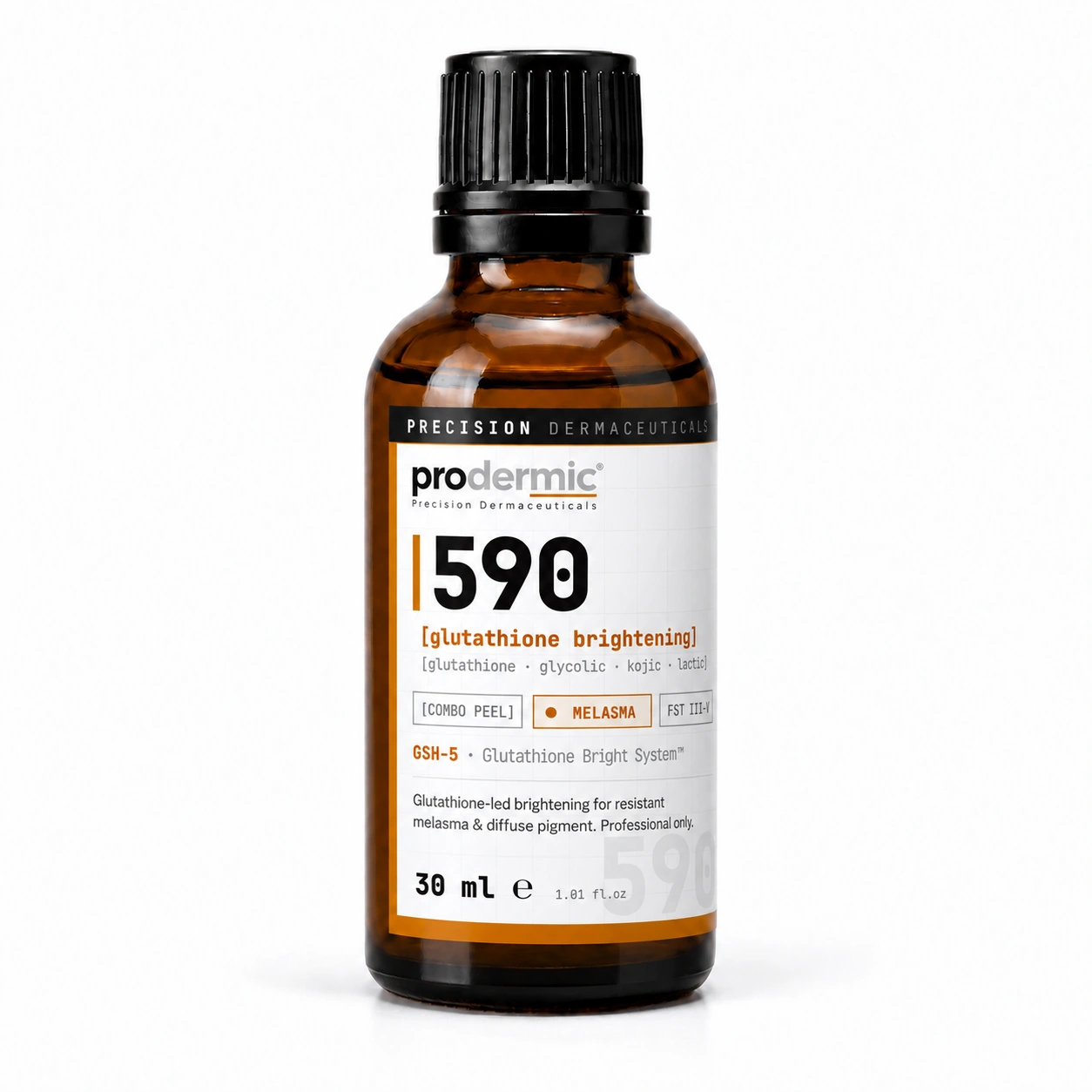
~24 sessions

~20 sessions