Acne Grading for the Aesthetic Practitioner: From Comedonal to Nodulocystic and What It Means for Peel Candidacy
Explore acne grading and chemical peel suitability for aesthetic practitioners, focusing on Fitzpatrick IV–VI skin types.

Acne vulgaris manifests in a range of severities, from mild comedonal acne to severe nodulocystic forms, necessitating a nuanced approach to treatment, especially in patients with Fitzpatrick skin types IV–VI. Grading acne accurately is vital in selecting the right treatment modality, including the appropriate chemical peel.
- Accurate acne grading is crucial for effective treatment selection.
- Chemical peels must be chosen based on acne severity and skin type.
- Superficial peels are typically safe for Fitzpatrick IV–VI skin.
Accurate acne grading and understanding peel candidacy can make a significant difference in treatment outcomes, particularly in darker skin types where the risk of post-inflammatory hyperpigmentation (PIH) and keloids is higher. This article explores how aesthetic practitioners can navigate these challenges effectively.
Understanding Acne Grading
Acne grading is a critical step in dermatological practice. It classifies acne severity, which, in turn, helps in selecting treatments tailored to individual needs. There are typically three categories:
- Mild (Comedonal Acne): Characterized by non-inflammatory lesions like blackheads and whiteheads, comedonal acne is the least severe form. These closed and open comedones are primarily due to follicular plugging. They respond well to topical treatments and superficial peels. The impact lies in improving skin tone and texture without deep intervention, making it manageable even at home under professional guidance.
-
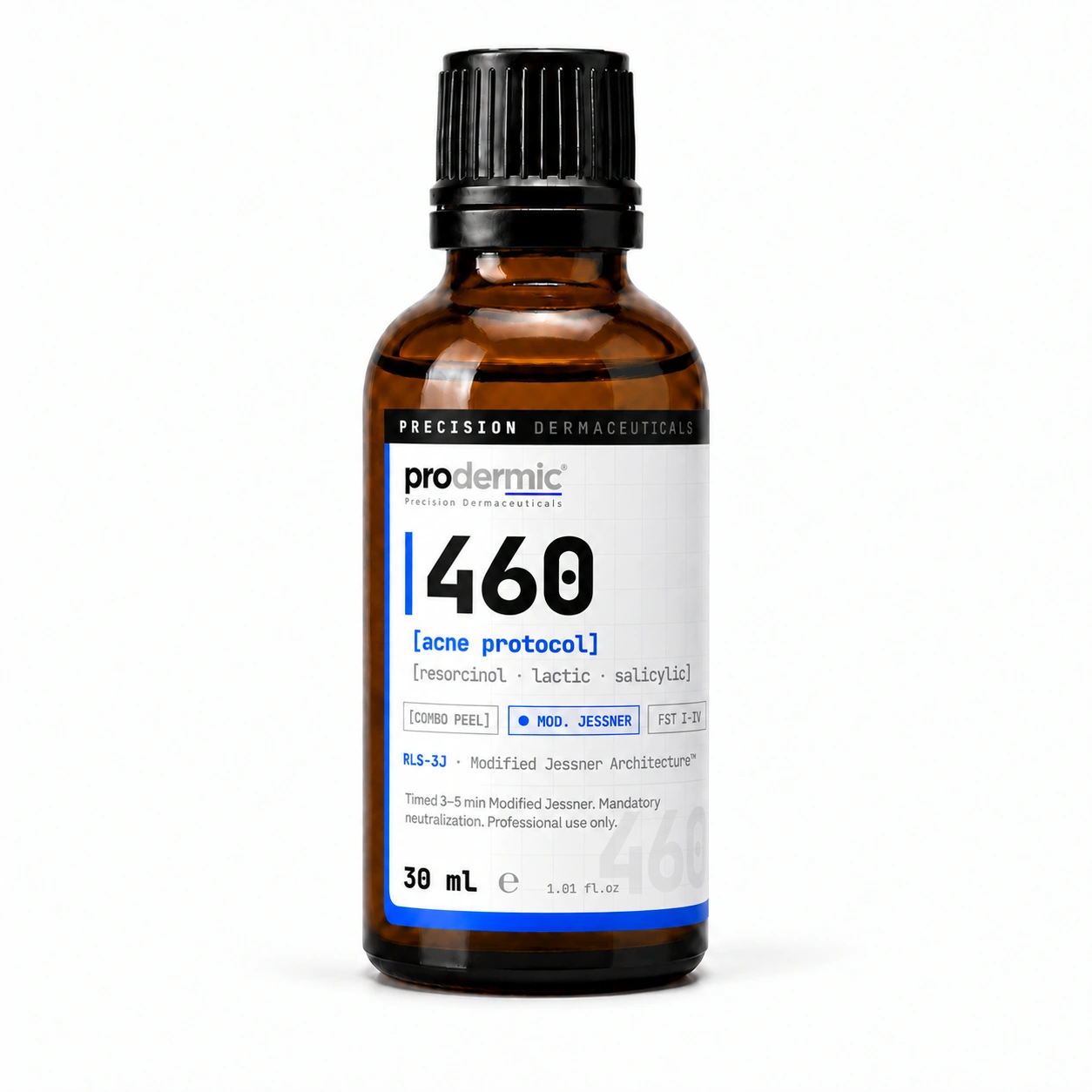
Moderate (Papulopustular Acne): This involves inflammatory lesions such as papules and pustules, possibly leading to mild scarring. These are caused by inflammation from bacterial overgrowth or follicle rupture, requiring interventions that address both keratinization and bacterial infection. Combining topical retinoids with antibiotics and superficial peels such as the Acne Protocol (460, Jessner's) can improve lesion counts.
-
Severe (Nodulocystic Acne): Marked by deep, painful nodules and cysts, often resulting in significant scarring. The involvement of dermal layers necessitates systemic treatment in addition to topical approaches. Nodulocystic acne can cause psychological distress due to its severity and potential for disfigurement; hence, isotretinoin is often the treatment of choice under close dermatological supervision.
Relevance to Treatment
Understanding these categories is essential because they guide the choice of treatment, including the suitability of chemical peels. Each grade may require different therapeutic approaches, not only based on severity but also factoring in the patient's skin type and tolerance to specific treatments. For instance, a more aggressive approach is needed for nodulocystic acne, possibly integrating isotretinoin under medical supervision.
Chemical Peels: An Overview
Chemical peels involve using chemical solutions to exfoliate and rejuvenate the skin. They are broadly divided into:
-
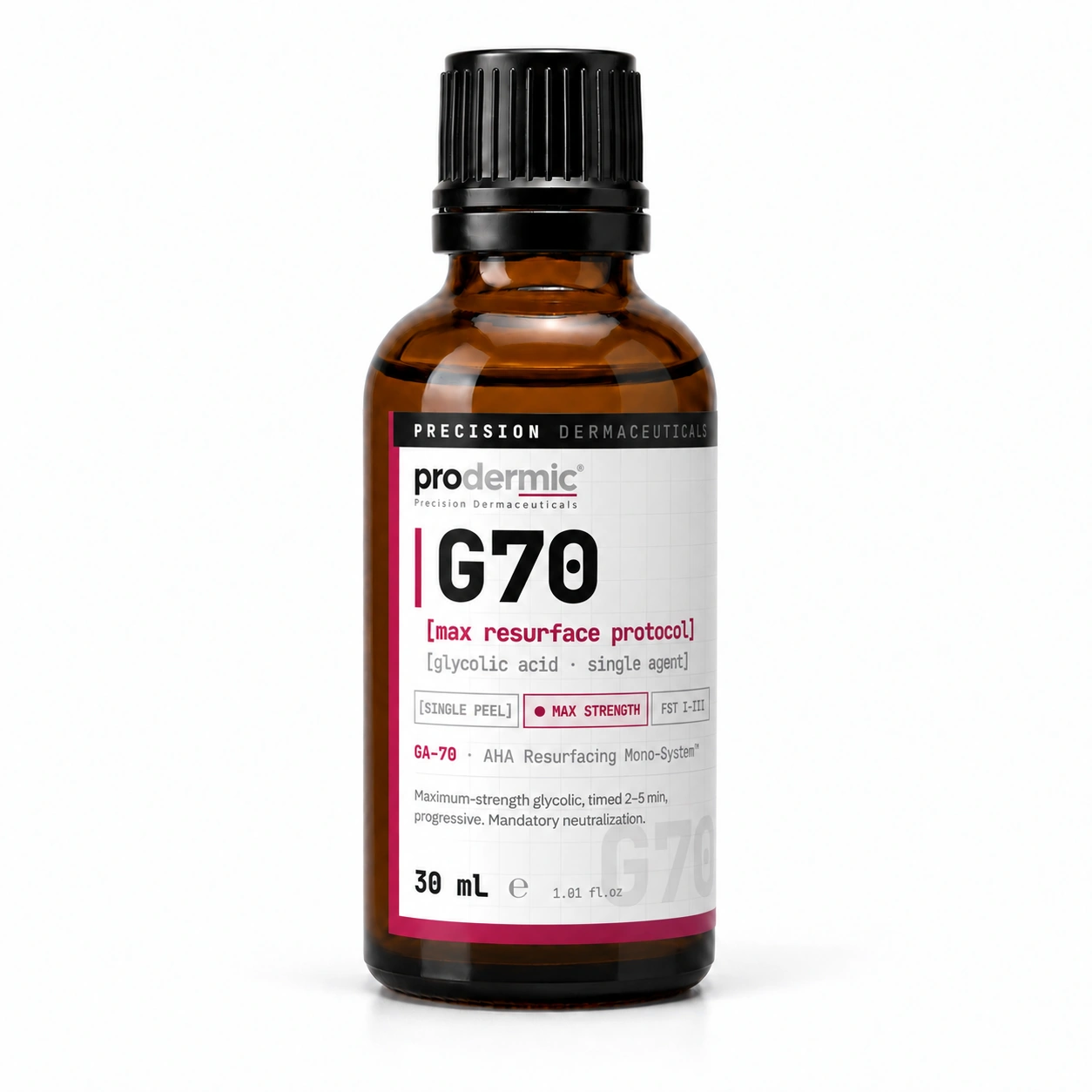
Superficial Peels: These peels affect only the epidermal layer and often involve agents like glycolic acid (GA) and salicylic acid (SA). Superficial peels help by removing the stratum corneum and part of the epidermis to reduce keratinocyte adhesion, making them ideal for comedonal acne.
-
Medium Peels: They penetrate the papillary dermis, commonly using trichloroacetic acid (TCA). These are useful for treating more pronounced pigmentation issues and some forms of scarring. Medium peels demand a more controlled environment and patient observation.
-
Deep Peels: These involve phenol and can reach the mid-reticular dermis. They carry higher risks of PIH and are not generally recommended for darker skin types due to potential complications.
Applicability in Different Acne Grades
Mild to Moderate Acne: Superficial peels are particularly effective in treating mild to moderate acne without increasing hyperpigmentation risks. According to a scoping review, these peels have shown positive outcomes with minimal adverse effects in darker skin types. They decrease the cohesion between keratinocytes, aiding in pore clearance.
Severe Acne: Nodulocystic acne may require adjunctive treatments and careful peel selection to avoid exacerbating scarring or pigmentation issues. Often, systemic therapies, such as antibiotics or isotretinoin, are prioritized before using even medium-depth peels.
Safety Considerations for Fitzpatrick Skin Types IV–VI
Patients with Fitzpatrick skin types IV–VI are more prone to PIH and keloid formation post-treatment. As such, care must be taken, especially with medium and deep peels, to avoid adverse outcomes. Patch testing might be advisable to assess peel tolerance, and pre-peel skin conditioning can improve overall safety.
The use of pre-conditioning agents like hydroquinone can be beneficial. It helps in reducing melanocyte activity, thus curbing potential hyperpigmentation. Rigorous post-peel protocols including sunscreens with broad-spectrum protection are non-negotiable in these cases.
Protocols for Chemical Peels
A sound protocol is vital for maximizing efficacy and minimizing risks:
- Prep
Initial preparation includes using topical retinoids or hydroquinone to balance skin tone and reduce complications. This step can take 2-4 weeks depending on the skin type and sensitivity.
- Apply
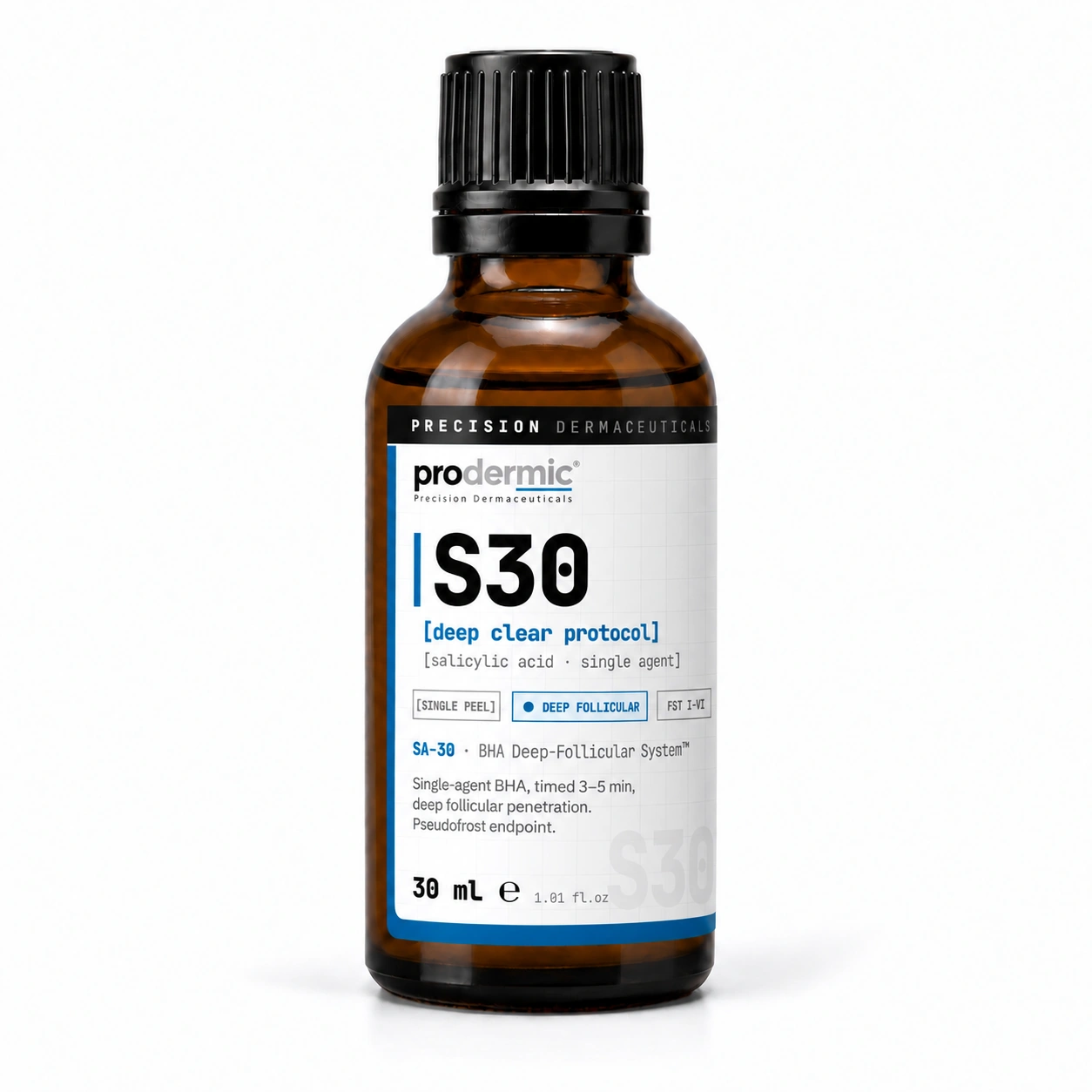
Apply a superficial peel suitable for the acne severity and skin type, such as a salicylic acid peel; in Fitzpatrick IV–VI start with the lighter Light Clear (S15) before moving to S30. Ensure that the application is uniform to avoid uneven exfoliation.
- Post-Care
Emphasize post-peel skincare and rigorous sun protection to prevent PIH. Moisturizers and gentle cleansers maintain skin microbiome health and barrier function.
Critical to the post-care regimen is avoiding physical exfoliation methods like scrubs that may irritate the skin post-peel. Introducing calming agents and antioxidants in the post-care routine supports healing and reduces inflammation.
Comparing Treatment Modalities
While chemical peels offer substantial benefits, alternative treatments also merit consideration based on acne severity and patient-specific factors.
-
Topical Therapies: Retinoids and benzoyl peroxide are standard options for their anti-inflammatory and keratolytic effects. Newer agents like dapsone gel offer targeted action with minimal systemic effects.
-
Oral Medications: For more severe cases, antibiotics and isotretinoin might be necessary. These medications reduce systemic inflammation and bacterial loads, acting as comprehensive solutions for inflammatory acne.
-
Physical Treatments: Consider lasers or light-based therapies which provide precision targeting of dermal or epidermal issues without chemical impact. For example, blue-light therapy has shown efficacy in reducing Propionibacterium acnes.
Further, integrating peels with these treatments might enhance outcomes, provided careful selection and sequencing are observed. Combining modalities must consider potential irritant overlaps and synergistic benefits.
In cases where peels are used adjunctively, typically a rest period of 3-4 weeks is maintained between therapies to allow optimal skin recovery and observe the skin’s response.
Conclusion
For aesthetic practitioners, understanding the nuances of acne grading and chemical peel selection is essential, particularly when working with patients of color. Effective management hinges on a thorough evaluation of acne severity, skin type, and an awareness of the potential risks involved in any treatment modality. A tailored approach not only improves patient outcomes but also enhances the clinic's service line efficacy.
To dive deeper into specific treatments for pigmentation or acne, consider exploring our detailed protocol resources for expert guidance. Resources such as the Cosmetic Procedures in Skin of Color: A Risk-Stratification Guide for Aesthetic Practitioners offer insights specific to managing risks in darker skin types.
Frequently asked questions
What makes chemical peels suitable for Fitzpatrick IV–VI skin?
Superficial peels, like glycolic and salicylic acid, are generally safe as they minimize the risk of PIH compared to deeper peels. Emphasis on pre-peel preparation and post-care reduces adverse effects.
Can severe acne be treated with peels alone?
Severe acne often requires a comprehensive treatment plan combining peels with other modalities such as oral medications or laser treatments. Peels are an adjunct, not the primary treatment.
How do you prevent PIH in darker skin types post-peel?
Proper pre-peel preparation with topical treatments and rigorous sun protection post-peel are critical. Encouraging adapalene or tretinoin use can specifically aid in reducing inflammation and pigmentation issues. Antioxidants like vitamin C can further prevent oxidative stress post-procedure.
Are there alternatives to chemical peels for acne?
Yes, alternatives include topical and oral medications, as well as laser treatments, depending on acne severity and skin type. Options depend significantly on patient history and personal preferences. Radiofrequency and microdermabrasion are also options for certain skin types and conditions.
How frequently should chemical peels be administered?
Frequency depends on the acid type and concentration; superficial peels can often be repeated every few weeks, whereas deeper peels require longer intervals. Consistent monitoring of skin response is essential. Regular follow-up visits facilitate adjustments in treatment protocols, ensuring skin integrity and health are preserved.
For further information, check Acne in Skin of Color: Why Standard Acne Protocols Backfire on Fitzpatrick IV-VI and Building a Chemical-Peel Service Line: Pricing, Margin, and Throughput for Indian Clinics.