Professional Chemical Peel Aftercare and Prep: A Protocol Card for Skin of Color
Explore a detailed prep and aftercare protocol for chemical peels on skin of color, minimizing risks and maximizing results.
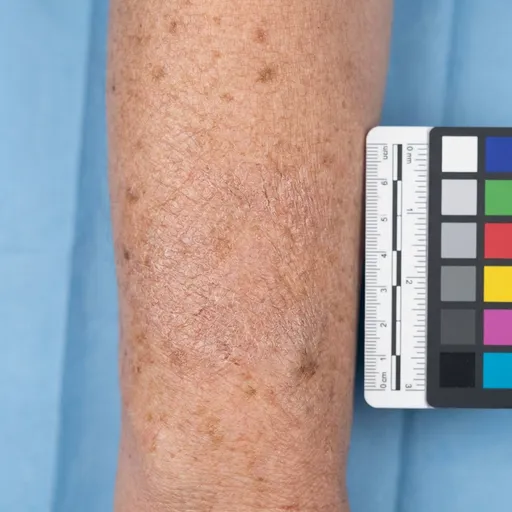
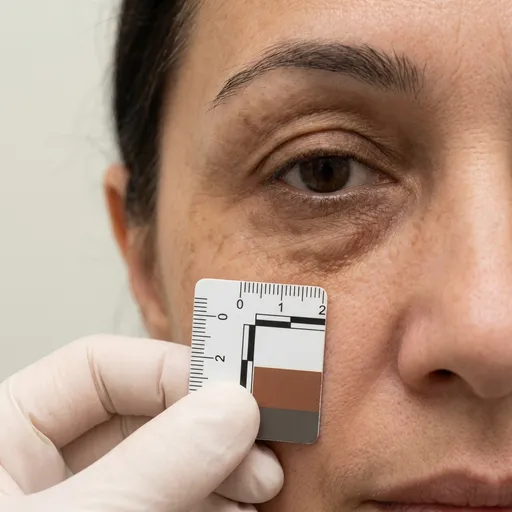
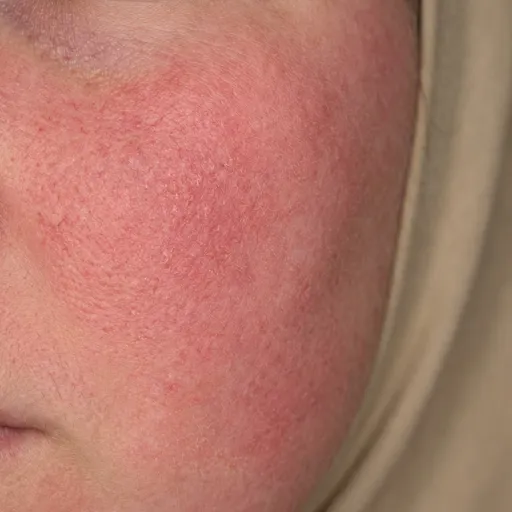
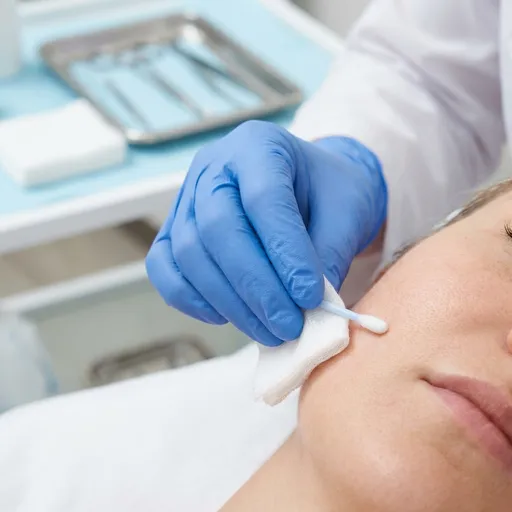
Chemical peels offer a transformative solution for various skin concerns such as acne, melasma, and photodamage, especially for patients with darker skin tones. Proper preparation and aftercare are essential to maximize benefits and minimize risks such as post-inflammatory hyperpigmentation.
Understanding Chemical Peels
Chemical peels involve applying an exfoliating agent to induce controlled skin injury, promoting shedding and skin renewal. Their effectiveness depends on the type and concentration of the peeling agent. For those with skin of color, it is crucial to select agents with a superficial depth to avoid complications such as scarring or uneven pigmentation.
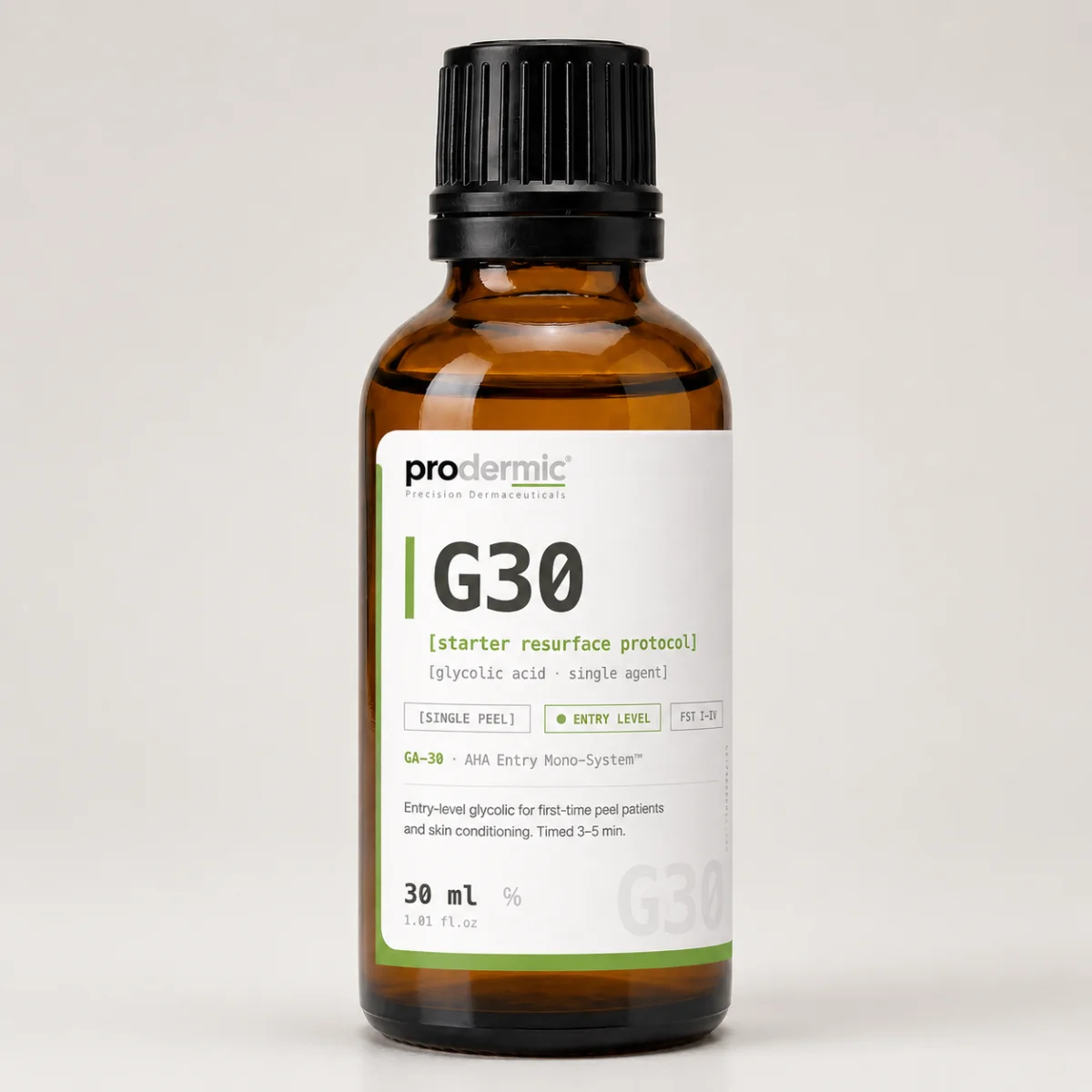
Superficial peels are ideal for darker skin tones due to their limited penetration. This minimizes the risk of post-inflammatory hyperpigmentation, which can be a significant concern in Fitzpatrick skin types IV to VI. Selecting the appropriate agent—such as glycolic or salicylic acid—is essential to ensure an effective peel without adverse effects.
Mechanisms and Benefits
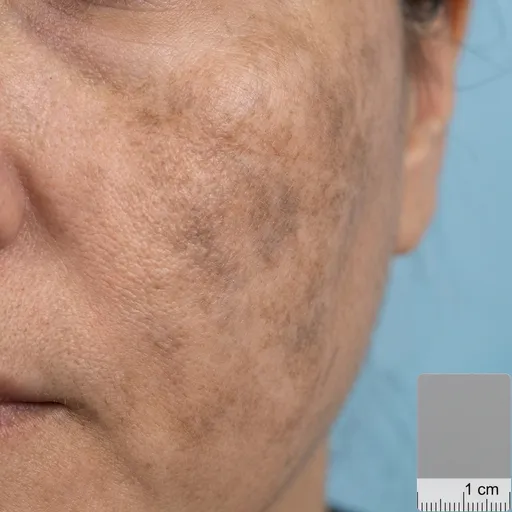
Chemical peeling can effectively treat acne, melasma, photodamage, and other pigmentary conditions. These conditions often result from an increase in melanin production or distribution, which can lead to uneven skin tone or dark spots. The exfoliation process initiated by the peel not only removes superficial layers of the skin but also stimulates the regeneration and restructuring of the underlying dermal tissue, leading to improved skin texture and appearance.
-
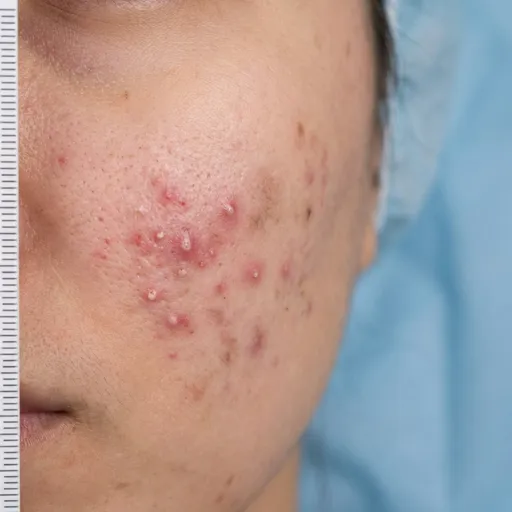
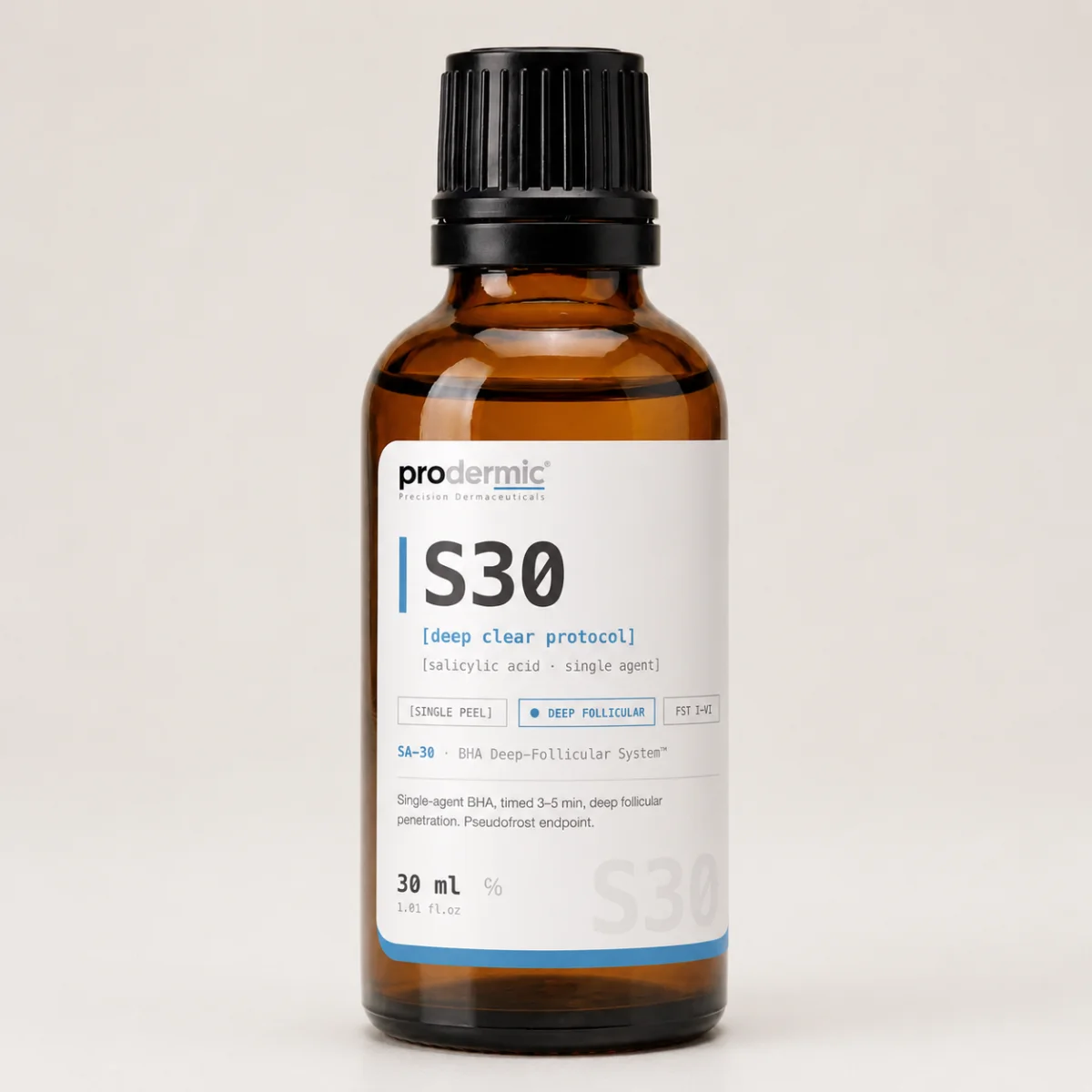
Acne Treatment: Salicylic acid, a beta-hydroxy acid (BHA), is lipid-soluble, making it effective in penetrating oily skin and clogged pores. It helps reduce acne by exfoliating inside the follicle and breaking down impactions, which is particularly useful for patients suffering from comedonal acne. For more insights on handling comedonal acne, consider Comedonal Acne: An Evidence-Based Approach to Closed Comedones for the Aesthetic Practitioner.
-
Melasma Management: Glycolic acid, an alpha-hydroxy acid (AHA), excels in brightening and evening out the skin tone by promoting the turnover of cells containing melanin. It is often used in varying concentrations, starting from 20% and going up to 70% for experienced practitioners, as detailed in Glycolic 70% Acid Peel: Clinical Protocol, Indications & Safety.
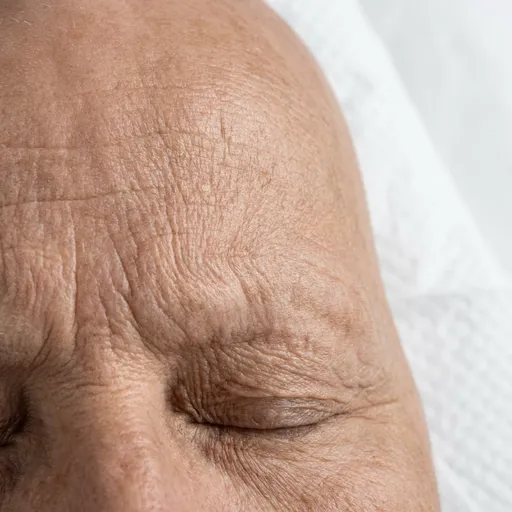
- Photodamage: Regular treatments can rejuvenate sun-damaged skin by removing layers of discolored skin. The peeling process encourages the production of new collagen, which firms the skin.
For tailored advice on selecting the right peeling agent, check out Choosing the Right Peel by Fitzpatrick Type.
Preparing the Skin: Priming Protocol
Effective preparation is vital to ensure an even peel and reduce the risk of complications like post-inflammatory hyperpigmentation.
Key Pre-Treatment Steps
- Duration: Start priming 2–4 weeks before the procedure to effectively prepare the skin.
- Use Retinoids: They enhance epidermal turnover, promoting better and even penetration of the peel by reducing corneocyte cohesion in the stratum corneum. Retinoid use should be monitored, with gradual increases in concentration to avoid irritation.
- Incorporate Tyrosinase Inhibitors: They help regulate melanin production, crucial for preventing hyperpigmentation. Ingredients like hydroquinone, kojic acid, or arbutin are often recommended. Use them with caution, especially in higher concentrations; they should be prescribed based on individual patient needs and skin response.
- Opt for Low-Strength AHAs: If tolerated, AHAs can smooth the skin's surface, enhancing the absorption of the peeling agent without causing undue irritation. Consider starting with a 5-10% concentration to test skin tolerance.
- Photoprotection: Reduce sun exposure and apply a broad-spectrum sunscreen diligently to prevent UV-induced melanin production. Advising on physical sunscreens containing zinc oxide or titanium dioxide can significantly enhance protection.
Priming Regimen
Patients should adhere to a routine that includes medicinal and protective products to condition the skin for peeling. A regimented approach involving nightly application of retinoids combined with a lightening agent can yield optimal results.
- PrepStart retinoids and tyrosinase inhibitors 2-4 weeks prior.
- ApplyUse gentle AHAs if tolerated, practice strict sun avoidance.
During the Treatment
Choosing the Right Agent
Selecting the correct chemical peel can optimize results while minimizing risks. Agents like glycolic acid and salicylic acid are often chosen for their compatibility with darker skin tones. Salicylic acid’s anti-inflammatory properties make it a choice treatment for acne and oily skin, while glycolic acid's smaller molecular size allows for deep penetration and effective exfoliation.
Application Guidelines
- Apply Evenly: Uniform application ensures even penetration, crucial for avoiding uneven peeling or patchy skin post-treatment. Use a fan brush for precision. It is essential that practitioners are trained in the appropriate techniques for applying even pressure across the application area.
- Monitor Reactions: Look for uniform frosting or erythema as a sign of proper action. Skin should exhibit a slight pinkness without signs of ischemia. Have appropriate supplies on hand to manage any adverse reactions.
- Neutralize Carefully: Follow protocols for neutralization; some peels may self-neutralize while others require a neutralizing agent. Read and adhere to manufacturer guidelines. The timing and application of neutralizers should be precise.
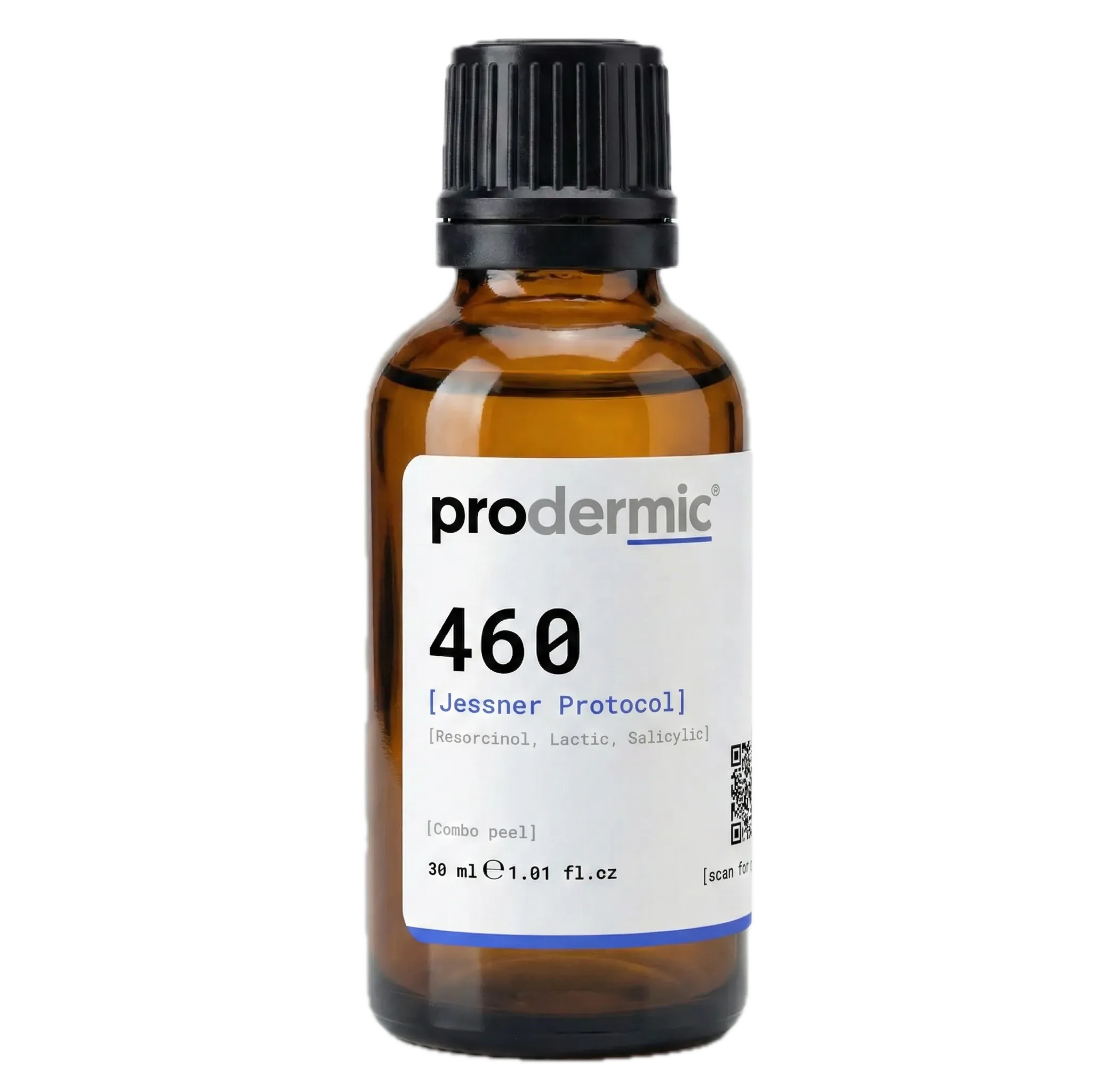
Clinicians can explore specific protocols like the Jessner Peel for more advanced techniques.
Aftercare: Essential Steps
Post-peel care is crucial for ensuring healing and minimizing side effects such as dyspigmentation.
Post-Treatment Essentials
- Moisturization: Use gentle, fragrance-free moisturizers to keep the skin hydrated and soothed. Ingredients like ceramides, hyaluronic acid, and panthenol can speed up recovery. Recommend formulations that are non-comedogenic and suitable for sensitive post-peel skin.
- Sun Protection: Apply broad-spectrum sunscreen (SPF 30 or higher) daily, even on cloudy days, to protect healing skin from UV rays that can exacerbate pigmentation issues. Advise patients to reapply every two hours if exposed to sunlight.
- Gentle Cleansing: Use mild, non-foaming cleansers. Avoid active ingredients until the skin has healed, usually within a week. Recommend lukewarm water to avoid over-drying.
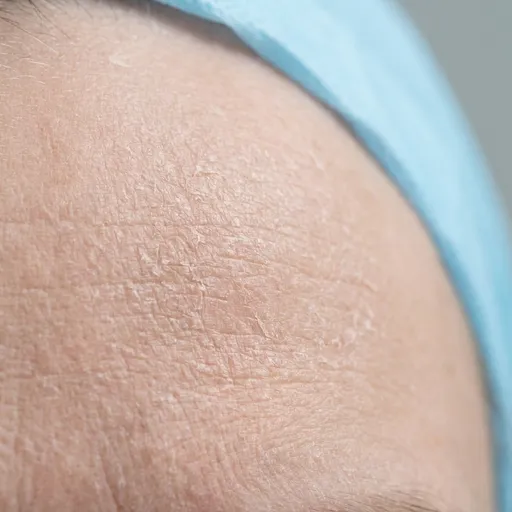
- Avoid Picking: Refrain from picking peeling skin to prevent scarring or delayed healing. Educate patients about the normal healing process and set realistic expectations. Provide them with visual aids if necessary to understand the expected peeling stages.
Long-Term Aftercare
Continued avoidance of sunlight and adherence to a suitable skincare regimen maintain results and prevent recurrence of hyperpigmentation. Encourage maintenance peels at a reduced frequency, enabling sustained rejuvenation.
Consider exploring the Glutathione Peel for its mild yet effective action on pigmentation.
FAQs on Chemical Peels
What is the safest peel for dark skin types?
Superficial peels like glycolic or salicylic acid are considered safest for darker skin due to their minimally invasive nature and controlled penetration, reducing the likelihood of adverse effects.
How long should clients avoid sun exposure post-peel?
Clients should avoid direct sun exposure for at least one week post-treatment, using a high SPF sunscreen during any outdoor activities. Reinforce the importance of wearing protective clothing and hats. Explain the benefits of UV avoidance and provide practical tips for maintaining shade.
Are retinoids necessary for pre-treatment?
While not mandatory, retinoids help enhance epidermal turnover and improve peel results by increasing cellular renewal rates, leading to a more uniform peeling process. They can also help in clearing up fine lines and improving skin texture over time.
What should clients avoid after a peel?
Clients should avoid picking at peeling skin, and refrain from using active ingredients such as retinoids and strong AHAs/BHAs until recovery. Educate clients on potential risks and benefits of adhering to a non-active skincare routine. This period provides a good opportunity for the skin to repair and balance itself naturally.
How often can a patient undergo chemical peels?
Frequency depends on the individual's skin type and condition but generally ranges from every 4 to 6 weeks for superficial peels. Monitor skin health to adapt treatment plans accordingly. For chronic conditions such as persistent hyperpigmentation, a specialized approach can be discussed, as seen in Building Pigment-Patient Retention: Why Chronic Conditions Are Your Clinic's Most Valuable Programs.
For further considerations, read our article on Acne in Skin of Color: Why Standard Acne Protocols Backfire on Fitzpatrick IV-VI.
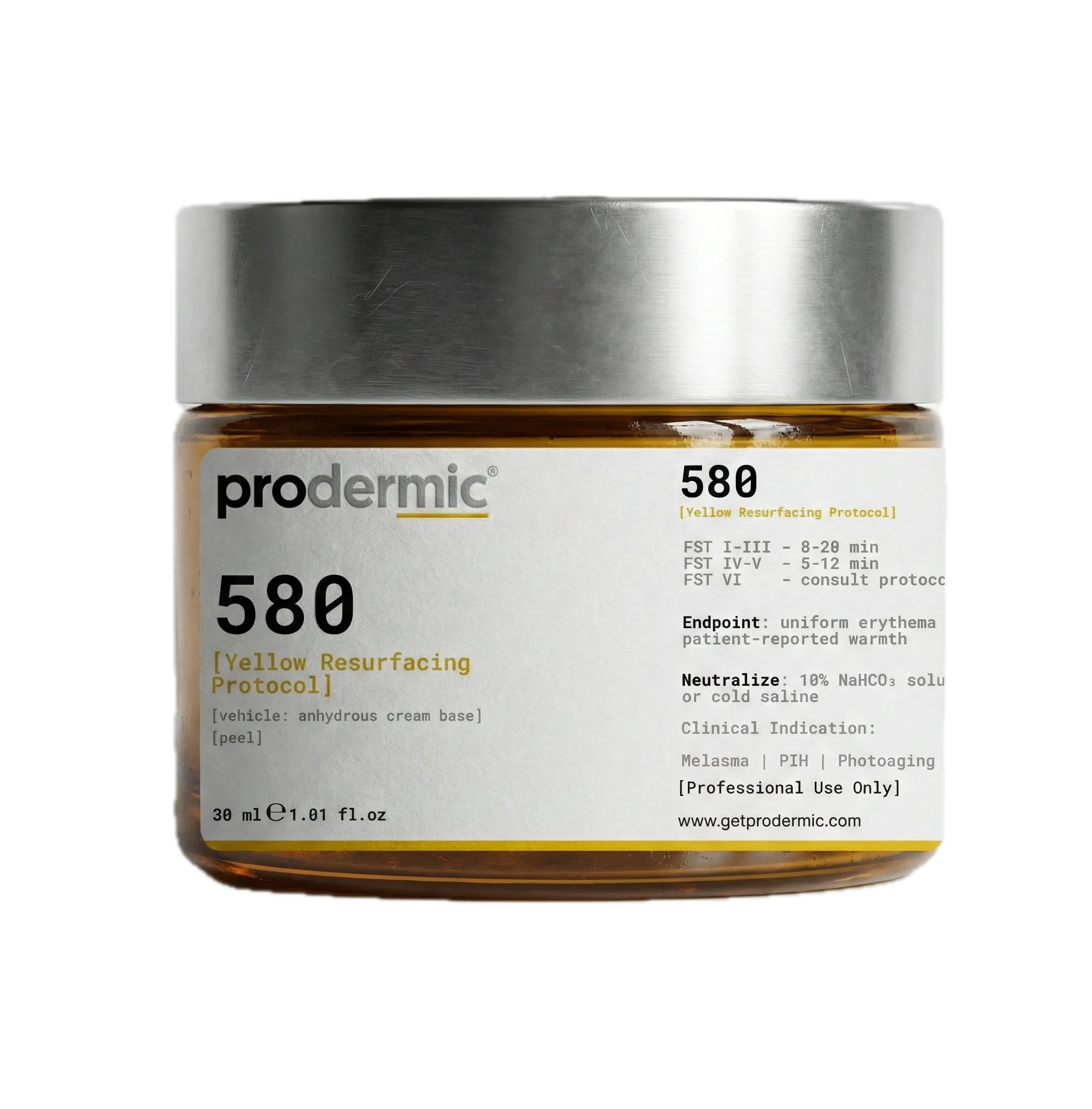
For more protocols, explore the Yellow Peel (Leave-On) or the Melasmonil Peel for targeted treatment options.
References
Related Protocols
~20 sessions
~24 sessions
~11 sessions
~20 sessions