


Building Pigment-Patient Retention: Why Chronic Conditions Are Your Clinic's Most Valuable Programs
Explore how chronic conditions like pigmentary disorders can bolster your clinic's patient retention and economic value.

Pigmentary disorders, such as melasma and post-inflammatory hyperpigmentation (PIH), offer dermatology clinics a viable pathway to building sustained patient relationships and economic value. With careful protocol development and patient management strategies, these chronic conditions provide an opportunity to enhance practice growth while delivering effective patient care.
Mechanism and Prevalence of Pigmentary Disorders
Pigmentary disorders are prevalent in individuals with Fitzpatrick skin types IV–VI, which include a significant portion of the Indian population. These conditions often result from increased melanin production due to UV exposure, hormonal influences, and skin inflammation. Melanocytes in darker skin exhibit a higher reactivity, which can lead to hyperpigmentation, especially after inflammatory incidents. Genetic predispositions and environmental factors, such as exposure to pollutants, can also exacerbate these conditions, making them persistent and challenging to treat.
Understanding the underlying pathophysiology is vital. For instance, melasma can be influenced by estrogen and progesterone levels, making it common in pregnant women or those on hormonal therapy. Meanwhile, PIH is more often linked to inflammation following acne, eczema, or injury. Targeting these root causes with appropriate interventions can lead to better patient outcomes.
In deeper clinical practice, recognizing the role of dermal components like mast cells and cytokine production further elucidates the cycle of inflammation and pigmentation. Chronic ultraviolet light exposure not only exacerbates pigmentation but alters dermal vascularity, enhancing lesion persistence. This knowledge is critical for formulating multifaceted treatment strategies.
Comprehensive Management Approaches
Assessment Protocol
A comprehensive assessment should include a detailed medical history and an examination of the patient's lifestyle factors. Utilizing devices like dermatoscopes helps in assessing the depth of pigmentation, which is pivotal when considering treatment options.
Quantitative analysis using tools like reflectance confocal microscopy can be introduced to enhance diagnostic accuracy. This technology aids in visualizing melanin distribution without invasive procedures, helping tailor specific care regimens based on melanin depth and distribution.
The assessment phase also involves evaluating psychological impact, as pigmentation can affect self-esteem significantly. Understanding patient concerns allows clinicians to better address treatment goals and expectations collaboratively.
First-Line Treatments
Topical agents such as hydroquinone have been staples in treating hyperpigmentation, functioning by inhibiting tyrosinase, the enzyme responsible for melanin production. Up to 4% concentrations are common, but they require cautious use to avoid ochronosis, especially in darker skin tones. Combination treatments often enhance efficacy and reduce side-effect profiles.
Emerging alternatives, such as tranexamic acid, which acts by inhibiting the plasminogen-plasmin pathway in keratinocytes, are gaining attention for their effectiveness in treating melasma. These treatments are often combined with physical modalities like microneedling to enhance absorption, leveraging the synergy of multiple therapeutic actions.
Chemical peels, ranging from mild agents like lactic acid to stronger ones like Jessner's Peel: Step-by-Step Clinical Protocol & Indications, offer another dimension of treatment. Selecting the appropriate acid is crucial, as glycolic and salicylic have different depths of penetration and risk profiles. Protecting the skin post-peel is essential, particularly in Fitzpatrick IV-VI patients, to prevent exacerbations.
Differentiating the Peels:
- Lactic Acid: Suitable for dry or sensitive skin due to its hydrating properties, minimizing irritation and promoting gentle exfoliation.
- Glycolic Acid: An alpha hydroxy acid, effective due to its small molecular size which allows deeper penetration, making it ideal for addressing pronounced sun damage and fine lines.
- Salicylic Acid: Ideal for oily, acne-prone skin due to its lipophilic nature and anti-inflammatory properties, reducing breakouts and fostering controlled exfoliation.
Safety Considerations in Darker Skin Types
Patients with skin of color exhibit a higher risk of treatment-related complications, such as post-inflammatory hyperpigmentation and keloid formation. A patch test is prudent before initiating full treatment, particularly with topical agents or peels.
When using laser therapies, devices with longer wavelengths such as Nd:YAG lasers are preferred due to their deeper penetration and reduced risk of superficial burns. Adjusting parameters like energy settings and pulse duration further customizes treatment and increases the safety profile.
It’s important to discuss with patients the need for an ongoing commitment to an adjusted daily regime, incorporating both topical and in-office treatments to gradually yet consistently manage pigmentation issues.
Practical Protocols for Patient Retention
Photoprotection Emphasis
Consistent use of broad-spectrum sunscreens, containing ingredients like zinc oxide and titanium dioxide, is pivotal. Sunscreen education should include proper reapplication techniques and insights into the effects of visible light on pigmentation, underscoring the necessity of daily protection, regardless of weather conditions.
Emphasizing protective measures should also extend to clothing and physical barriers, especially during peak UV index times, to counter UVA-related melanogenic activity that's common in indoor settings as well.
Tailored Procedural Interventions
When considering procedural interventions, it's critical to adjust treatment pathways based on skin type and personal tolerance. Utilizing treatment modalities such as the 70% Glycolic Acid Peel: Clinical Protocol, Indications & Safety may provide avenues for effective management when carefully controlled.
Promoting the Managing Post-Peel PIH in Indian Skin: A Clinical Checklist provides additional assurance that procedures are administered safely.
Customized protocols might include integrated laser and light-based therapies that are synchronous with chemical peel regimens, ensuring maximum efficacy while minimizing downtime.
For instance, combining the Yellow Peel with a Glutathione Peel can enhance overall treatment efficacy.
Patient Education and Engagement
Empowering patients through knowledge is crucial. Educational interventions should involve discussions about realistic expectations, treatment timelines, and the importance of consistent follow-up appointments. Providing written material or digital resources for reference can aid patient adherence and engagement.
Creating digital forums and workshop sessions for patients enhances peer-to-peer knowledge sharing and support, forming a community that actively seeks and sustains treatment strategies.
Regularly scheduled monitoring visits form part of a comprehensive care plan, allowing for adjustments and reinforcement of the treatment strategy as needed.
Economic Implications for Practices
Understanding the economic implications means recognizing that each patient represents a potential long-term relationship, where value is derived not just from individual visits but from the continuity of care. Integrated programs focusing on chronic conditions like pigmentary disorders can transform patient volume into sustained economic activity.
Focus on repeat service offerings and complementary treatments, such as maintenance chemical peels or laser sessions, supports consistent cash flow, filling scheduling gaps that might otherwise rely solely on acute dermatologic treatments.
Chronic conditions provide a platform for teaching dermatology residents or giving in-practice demonstrations, which adds an educational value to the financial aspect. Building a Chemical-Peel Service Line: Pricing, Margin, and Throughput for Indian Clinics can further detail establishing these structured programs.
Practices may also consider partnering with brands to develop exclusive treatment kits tailored for post-procedure care, enhancing the value of services offered.
Frequently asked questions
How do pigmentary disorders affect patient retention?
Chronic management of pigmentary disorders encourages regular clinic visits, fostering long-term patient relationships. Engaging patients in shared decision-making enhances cooperation and satisfaction, leading to referrals and organic growth.
What are the first-line treatments for hyperpigmentation?
Topical hydroquinone, often combined with retinoids and corticosteroids, along with agents like azelaic acid, are primary treatments. Utilization of new agents like niacinamide exhibits efficacy in inhibiting melanosome transfer, presenting further options.
Why is photoprotection crucial?
Daily sunscreen usage is vital to prevent further UV-induced exacerbation of hyperpigmentation and to sustain treatment gains. Educating patients on choosing the right product, considering factors like SPF, skin sensitivity, and cosmetic compatibility, ensures higher compliance.
How should treatments be adjusted for darker skin tones?
Selecting appropriate modalities and settings tailored to skin of color helps minimize treatment risks. Cumulative exfoliative effects necessitate modified frequency and intensity of treatments to avoid unintended sequelae.
What economic benefits do chronic conditions provide?
They build a steady patient base and create a reliable revenue stream due to ongoing treatment requirements. The synergistic advantage lies in the ability to introduce additional services, upsell products, and provide a holistic care model.
Ensuring avenues for patient feedback and interaction fosters a comprehensive model for advancing treatment efficacy and patient satisfaction, ensuring consistent engagement and progress monitoring.
For further insights, explore protocols like the Yellow Peel for comprehensive management strategies in pigmentary disorders.
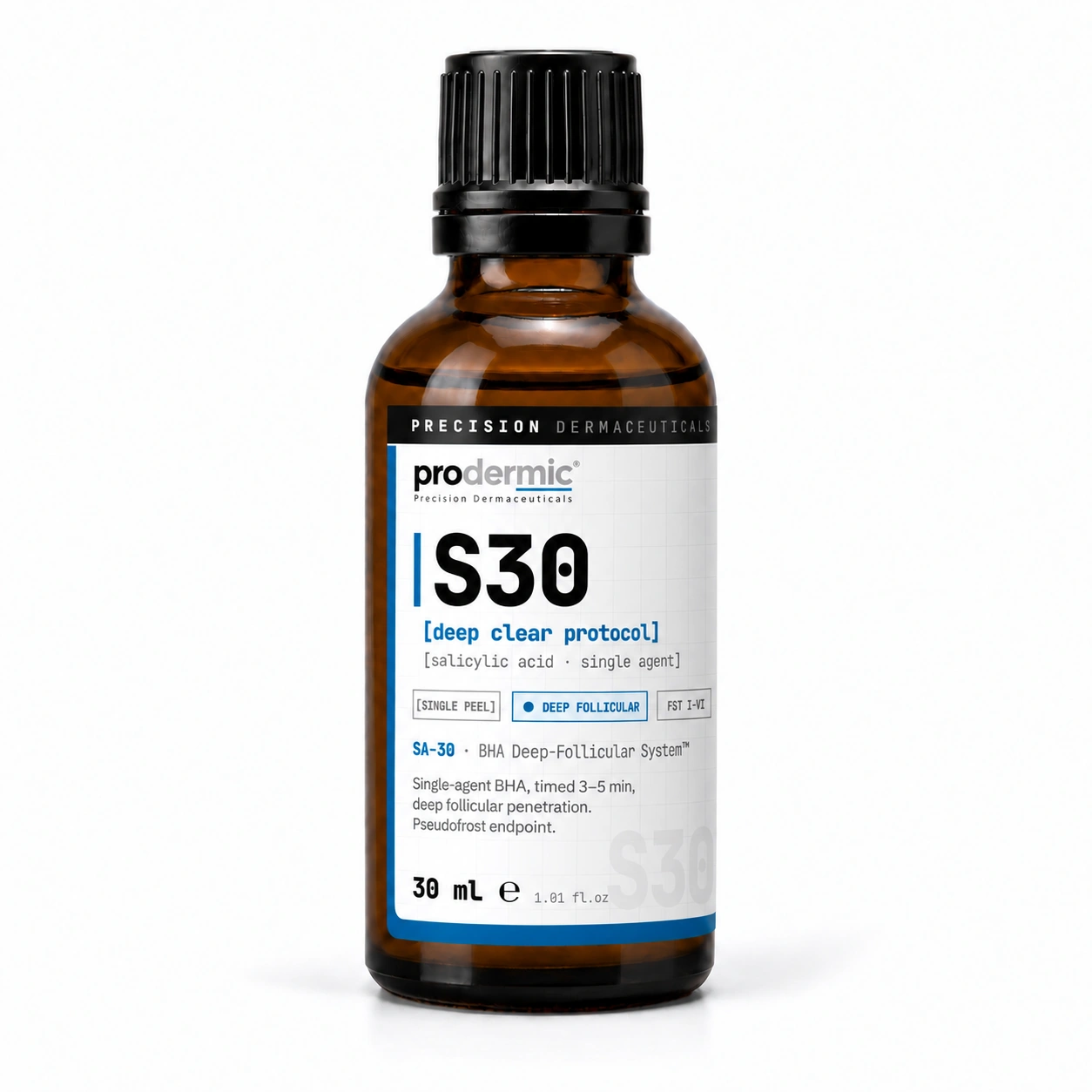
<ProductEmbed id="s30-salicylic-peel" />
References
Related Protocols

~16 sessions
~24 sessions
~11 sessions