Vitamin C for the Aesthetic Practice: Forms, Stability, and Its Role Around Peels and Pigment
Explore the benefits of Vitamin C in aesthetic practice, focusing on forms, stability, and role in peels and pigmentation treatment.

Vitamin C is a cornerstone in aesthetic dermatology, renowned for its potent antioxidant properties and role in collagen synthesis. It's widely used to enhance skin texture and combat pigmentation, making it an essential component around procedures like chemical peels.
The Mechanism of Action
Vitamin C, notably in the form of L-ascorbic acid (L-AA), acts as a powerful antioxidant. It neutralizes free radicals that cause oxidative stress. This mechanism is pivotal in mitigating UV-induced skin damage and reducing subsequent inflammation. Furthermore, Vitamin C is essential in collagen synthesis, being a cofactor for prolyl and lysyl hydroxylases, which stabilize collagen fibers. This promotes skin elasticity, maintaining a youthful appearance. Its ability to inhibit tyrosinase decreases melanin production, thus providing depigmenting effects. Read more about addressing pigmentation with peels.
Collagen Synthesis and Skin Repair
Collagen is crucial for skin integrity and repair, and Vitamin C plays a significant role in its biosynthesis. By acting as a cofactor, Vitamin C stabilizes the collagen molecule, facilitating wound healing and reducing scar formation. This is particularly beneficial during recovery from aesthetic procedures, where collagen remodeling is essential for optimal outcomes. Additionally, Vitamin C enhances the skin barrier function, protecting against environmental damage and pollution, common contributors to oxidative stress and premature aging.
To further deepen understanding, collagen synthesis involves complex processes where Vitamin C assists in the hydroxylation of specific amino acids, critical for triple-helix formation of collagen fibers. This stabilization reduces the likelihood of rapid degradation, maintaining dermal firmness and resilience over time.
Clinical Evidence and Benefits
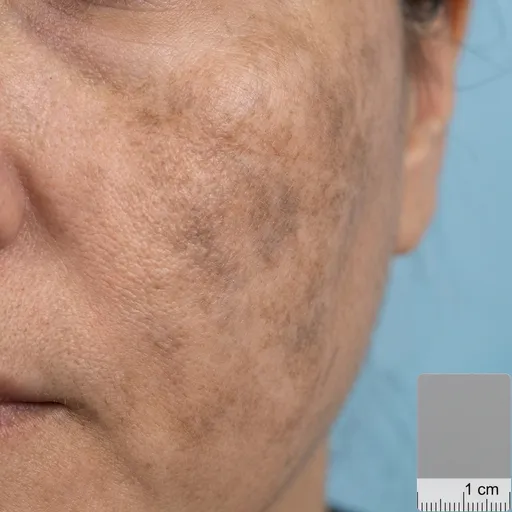
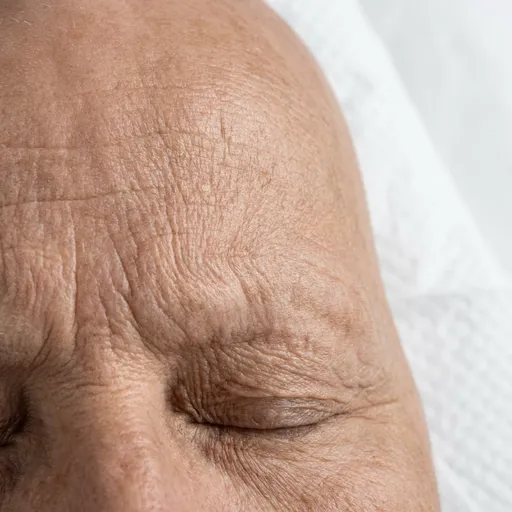
Clinical studies have shown that topical Vitamin C significantly improves photoaging signs such as wrinkles and fine lines, with notable results after three months of continuous use. Its multifaceted role includes reducing erythema, promoting an even skin tone, and enhancing luminosity. The advantage of Vitamin C for treating pigmentation lies in its capability to interfere with melanin synthesis by inhibiting tyrosinase. This makes it ideal for addressing conditions such as melasma and post-inflammatory hyperpigmentation (PIH). Patients with darker skin, classified under Fitzpatrick types IV–VI, can benefit from its anti-inflammatory and pigment-modulating effects, minimizing PIH and promoting a more uniform complexion. Explore how chemical peels can further aid pigment control.
Moreover, in clinical trials, Vitamin C serums demonstrated a 40% improvement in sunspots, adding significant value for patients seeking brighter and more vibrant skin.
Anti-Inflammatory Properties
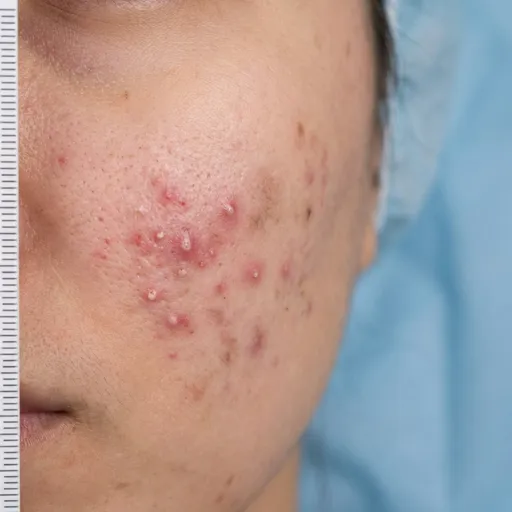
Beyond its role in pigmentation control, Vitamin C's anti-inflammatory properties soothe irritation and redness, which can be exacerbated by routine exposure and certain aesthetic procedures. By modulating inflammatory cytokines, Vitamin C reduces redness and swelling, making it ideal for sensitive skin post-peel. This capability also aids in the treatment of acne and rosacea, conditions where inflammation is a key component.
Inflammatory skin conditions often see a reduction in flare-ups, and Vitamin C helps prevent post-inflammatory pigmentation, a common aftermath of acne lesions and rosacea exacerbations. Its role in reducing inflammatory markers like interleukins is increasingly appreciated in dermatological interventions.
Comparative Forms and Stability
L-ascorbic acid remains the most biologically active form, yet it's unstable, requiring low pH levels to remain effective. Derivatives like ascorbyl-6-palmitate and magnesium ascorbyl phosphate (MAP) offer greater stability but less bioavailability, and choosing the right derivative involves balancing these factors. Ferulic acid and vitamin E additions enhance both stability and efficacy.
Formulating Vitamin C products requires an understanding of stability challenges. For instance, oxidation occurs rapidly, leading to discoloration and decreased efficiency. Using air-tight, light-resistant packaging mitigates these issues, preserving product integrity.
Choosing the Right Formulation
The choice of Vitamin C derivative can significantly impact the efficacy of a treatment regimen. L-ascorbic acid, while potent, is susceptible to oxidation; products should be stored in opaque, airtight containers to maintain potency. In contrast, derivatives like MAP are more stable in aqueous solutions and less irritating, making them suitable for sensitive skin types. For clinicians, understanding these nuances is crucial for optimal outcomes. Discover more on choosing the right formulation for skin types.
Considerations for product stability also entail the pH of formulations—optimal pH levels between 2.0 to 3.5 tend to increase L-AA efficacy while minimizing degradation over time.
Application in Chemical Peels
When used with chemical peels, Vitamin C aids in reducing inflammation and promotes healing, although care must be taken due to its low pH. Gradual introduction is advisable to avoid irritation on exfoliated skin. Clinicians are encouraged to monitor responses closely post-procedure. For instance, in protocols like the Glutathione Peel, Vitamin C plays a supportive role by enhancing antioxidative defenses.
The primary concern with concurrent use involves managing the pH levels involved in both the peel and Vitamin C applications to avoid overwhelming the skin. This balance prevents excess irritation while leveraging Vitamin C's soothing capabilities post-exfoliation.
- Pre-Treatment ConsultationEvaluate skin type and sensitivity, discussing client goals and potential outcomes. Consider the patient's previous reactions to both acids and antioxidants.
- Peel IntegrationIntroduce Vitamin C post-procedure, monitoring patient tolerance for any irritation. Use of soothing agents such as aloe vera can complement Vitamin C.
- Post-Care MonitoringAdvise on skincare routines that include ample moisturization to support barrier repair.
Safety in Diverse Skin Types
Vitamin C is generally well-tolerated across all skin types, including Fitzpatrick IV–VI. Its anti-inflammatory properties are particularly beneficial for individuals prone to hyperpigmentation, aiding recovery while avoiding exacerbating pigmentation issues. Vitamin C also enhances the resilience of the skin barrier, crucial for those with sensitive or compromised skin. Additionally, when formulating regimens for diverse populations, awareness of cultural considerations in skincare perceptions can enhance patient compliance and satisfaction.
Practical application involves patch testing on a small area before using new Vitamin C products widely, especially post-peel, to verify tolerability and avoid adverse reactions.
Interactions with Other Actives
Vitamin C can be safely combined with other actives like niacinamide and retinoids, though it is generally recommended to separate their application to mitigate potential irritation. Niacinamide can increase skin tolerance for Vitamin C, making it an excellent choice in combination therapy aimed at anti-aging and brightening.
The sequence of application matters; Vitamin C followed by a waiting period before introducing retinoids at night can enhance compatibility and results.
Practical Protocol Application
Formulation Tips
- Concentration: Aim for Vitamin C concentrations between 10% and 20%.
- Stability: Look for products with added ferulic acid and vitamin E.
- Delivery Method: Consider serums or ampoules, which offer higher penetration rates than creams.
Selecting the appropriate vehicle for delivery is crucial; serums generally offer higher efficacy due to their formulation focus on penetration.
Recommended Timing
Apply post-UV exposure to replenish and maintain a skin reservoir. Application every 8 hours is advised to maximize benefits, considering its half-life is about 4 days. Varied application schedules can optimize outcomes based on lifestyle. Consider appropriate skincare routines for acne management in darker skin tones.
Taking advantage of the skin's natural repair processes at night enhances the reparative benefits of Vitamin C, providing a comprehensive regimen that includes both day-time protection and nighttime restoration.
Frequently asked questions
How does Vitamin C combat pigmentation?
Vitamin C inhibits the production of melanin by suppressing tyrosinase activity, thereby reducing pigmentation. This makes it particularly valuable for conditions like melasma and PIH, where overproduction of melanin is prevalent.
Tyrosinase pathway interruption is critical, where Vitamin C's antioxidative potential further supports reducing reactive oxidative species involved in melanogenesis.
Can Vitamin C and peels be used on all skin types?
Yes, but it’s crucial to individualize based on skin sensitivity and pigmentation concerns. Conducting patch tests and gradually introducing Vitamin C post-peel helps mitigate potential irritation and sensitivities.
What are the main challenges with Vitamin C formulations?
Stability and bioavailability are the primary concerns, with L-ascorbic acid being highly effective but unstable. Selecting derivatives based on the skin type can improve tolerability while achieving desired outcomes.
What misconceptions exist surrounding Vitamin C?
One common misconception is that higher concentrations of Vitamin C always yield better results. However, potency must be balanced with patient tolerance to avoid irritation. Education on correct usage can prevent misapplication and enhance benefits.
Focusing on comprehensive patient education about gradual introduction and consistent use significantly contributes to achieving outstanding results without adverse effects.
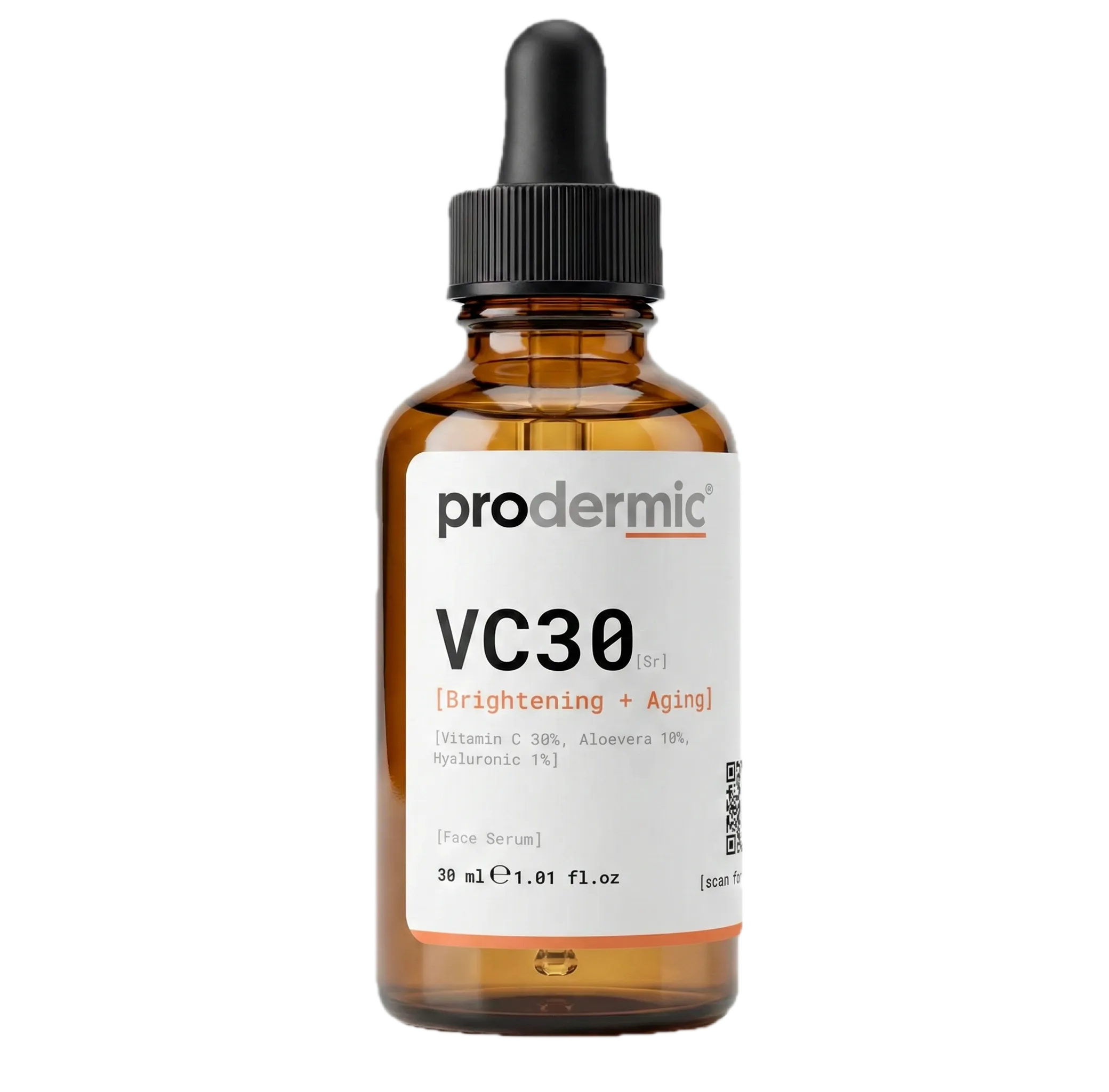
<ProductEmbed id="vc30-vitamin-c-serum" />
For those interested in integrating Vitamin C with peels like the De-Pigmento protocol, understanding these insights aids in optimizing treatment outcomes. A comprehensive approach that includes patient education, formulation selection, and personalized regimens will ensure maximal efficacy and patient satisfaction.
References
Related Protocols
~75 sessions
~24 sessions
~24 sessions