


Niacinamide in the Clinic: Evidence for Pigment, Barrier, and Acne Management
Explore niacinamide's impact on pigmentation, skin barrier, and acne, tailored for dermatologists.

Niacinamide, a versatile form of vitamin B3, offers diverse dermatological benefits, making it an essential ingredient in clinical skincare. It effectively addresses hyperpigmentation, strengthens the skin's barrier, and aids in acne management, making it particularly suitable for all skin types, including skin of color.
Mechanism of Action
Niacinamide works on various skin concerns by affecting several biochemical pathways. It inhibits melanosome transfer, preventing excess melanin deposition in the epidermis, thus lightening the skin tone. This inhibition is crucial in managing disorders like melasma and post-inflammatory hyperpigmentation (PIH). The biochemical mechanism involves alteration in the dynamics of keratinocyte and melanocyte interactions, which is being increasingly acknowledged for its potential in diverse pigmentation disorders.
In the context of the skin barrier, niacinamide stimulates ceramide and free fatty acid synthesis, contributing significantly to the reinforced integrity of the stratum corneum and decreased transepidermal water loss. Niacinamide's enhancement of the lipid barrier is particularly advantageous for atopic dermatitis patients, where it aids in maintaining adequate hydration and reducing the risks of flare-ups induced by environmental allergens.
Furthermore, niacinamide upregulates aquaporin-3 and filaggrin, proteins that are instrumental in maintaining moisture balance and structural integrity of the skin. This dual action not only addresses immediate hydration concerns but also strengthens the skin’s resilience against external irritants.
For acne management, niacinamide modulates sebaceous gland activity, reducing the quantity and quality of sebum, which diminishes the risk of follicular blockage contributing to acne lesions. Its anti-inflammatory effects, attributed to cytokine modulation, reduce papule and pustule formation and are particularly soothing for rosacea patients.
Clinical Evidence
Hyperpigmentation
Several studies highlight niacinamide's effectiveness in reducing hyperpigmentation. In a comprehensive study, a 4% niacinamide formulation applied over 12 weeks significantly diminished pigmentation compared to a placebo. This aligns as a viable alternative to hydroquinone—particularly advantageous given the latter's potential for irritation and regulatory restrictions in certain countries. Furthermore, bi-weekly application of niacinamide has been demonstrated to improve skin luminosity and evenness in tone, making it beneficial for individuals with photodamage.
Opt for personalized treatment plans by considering patient-specific factors such as baseline skin sensitivity, previous treatment histories, and lifestyle factors that might affect adherence. Understanding genetic predispositions, lifestyle influences such as sun exposure, and existing skin conditions can optimize treatment outcomes.
Skin Barrier Function
Niacinamide's impact on the skin barrier is validated by its ability to bolster hydration levels and enhance epidermal lipid synthesis. Dermatological assessments have demonstrated that routine application leads to improved barrier recovery, which is particularly beneficial in conditions like eczema and rosacea, characterized by compromised barrier function.
Studies involving patients with dry skin conditions reported measurable increases in hydration levels and decreases in skin redness and dryness following a six-week regimen of niacinamide application. These effects are believed to be a result of increased aquaporin expression, enhancing water transport between skin cells.
Additionally, niacinamide supports protein synthesis and keratinocyte differentiation, key components in maintaining skin barrier homeostasis. This adaptability makes it suitable for a broad range of skin conditions.
Acne Reduction
The sebostatic and anti-inflammatory mechanisms of niacinamide play a crucial role in acne management. Clinical evaluations have revealed a reduction in inflammatory lesions with consistent use. Its compatibility with sensitive skin types, along with its non-comedogenic nature, makes it highly applicable in typical adolescent and adult acne populations, allowing for daytime usage without the worry of photosensitivity.
To broaden the scope, consider reviewing treatments like Jessner's Peel: Step-by-Step Clinical Protocol & Indications to complement topical niacinamide therapy, particularly for patients presenting with mixed-comedonal and inflammatory acne.
Safety in Darker Skin Types
Niacinamide enjoys widespread acceptance across all Fitzpatrick skin types, attributed to its minimal irritation and hypoallergenic properties. It stands out as a prominent option for darker skin tones, which are predisposed to PIH following inflammatory and therapeutic interventions. The formulation is ideal in combination therapies for ethnic skin due to its stabilizing effects, reducing the risk of epidermal barrier disruption induced by other actives.
You can learn more about potential ingredient concerns in cosmetic procedures in skin of color.
Comparative Options
Hyperpigmentation: Niacinamide's melanosome transfer inhibition offers dual advantages, minimizing pigmentation without the side effects associated with hydroquinone and other lightening agents prone to induce post-inflammatory hyperpigmentation in skin of color.
Skin Barrier Enhancements: Unlike ceramide-enriched products that introduce external lipids, niacinamide promotes intrinsic lipid barrier reconstitution through ceramide synthesis. This approach not only improves immediate moisture retention but enables longer-lasting restoration, addressing essential therapy goals in chronic dermatological conditions.
Acne Solutions: Compared to retinoids, niacinamide does not induce photosensitivity, and it pairs well with other actives, preventing the 'retinoid uglies' seen in initial stages of retinoid use. This makes it highly sought after in regimens aiming for balanced actions with minimal reactions.
Practical Protocol Notes
Concentration and Application
The optimal concentration range for niacinamide spans from 4% to 5%, with clinical efficacy supported robustly within this spectrum. Studies have shown that concentrations above 5% do not confer added benefits but may provoke mild erythema or tingling in sensitive individuals. For maximal therapeutic outcomes, niacinamide should be applied post-cleansing and prior to more occlusive formulations to enhance dermal absorption.
Combination Therapy
The ability of niacinamide to blend seamlessly with other active ingredients facilitates enhanced treatment regimens:
- Hyaluronic Acid: Augments hydration and soothes the skin barrier through hyaluronan-mediated water retention.
- Retinoids: Niacinamide minimizes retinoid-induced irritation, promoting tolerability throughout the adjustment phase and enhancing patient compliance.
- Vitamin C: Provides synergistic effects with added skin brightening and antioxidant protection, effectively addressing both aesthetic and structural concerns.
For an in-depth understanding of combination possibilities, consider reading about Glycolic vs. Salicylic vs. Mandelic for the Acne Patient.
Monitoring
Routine follow-ups at 8 to 12-week intervals enable clinicians to assess effectiveness, tailoring treatment by adjusting product concentrations or introducing adjunctive therapies as needed. Continued evaluation assures personalized outcomes and maximization of therapeutic benefits. It also provides an opportunity to identify any unforeseen irritations early and adjust protocols accordingly.
- PrepCleanse skin thoroughly with a pH-balanced cleanser.
- ApplyApply a niacinamide-containing product, focusing on affected areas.
- MoisturizeFollow with a suitable moisturizer and a broad-spectrum sunscreen.
Frequently asked questions
Is niacinamide suitable for sensitive skin?
Certainly, niacinamide is renowned for its gentle profile, offering compatibility with sensitive and irritation-prone skin without the common side effects linked to other actives like retinoids or hydroquinone. It's designed to calm and soothe rather than irritate, making it particularly useful for patients presenting with reactive skin conditions.
Can niacinamide be used with other active ingredients?
Yes, its versatility allows it to pair effectively with other actives such as hyaluronic acid for hydration, vitamin C for brightness, and retinoids to enhance anti-aging outcomes while reducing potential irritations. This integration is pivotal in formulating comprehensive regimens for various skin concerns.
How does niacinamide compare to hydroquinone?
While hydroquinone has long been the gold standard for pigment reduction, its irritative potential and restriction in duration due to safety concerns make niacinamide a prized alternative for prolonged use, especially in skin of color. Niacinamide offers balanced pigmentation control suitable for continuous use without the risk of skin barrier compromise.
What concentration of niacinamide is effective?
Concentrations between 4% and 5% are clinically demonstrated to be efficacious, balancing potency with tolerability. They maximize outcomes while reducing the chance of irritation, with proven benefits visible within typical treatment cycles.
How long does it take to see results?
Consistent use typically yields visible improvements in skin tone and texture within 8 to 12 weeks. Long-term application continues to provide cumulative benefits in texture, tone, and barrier strength.
For more on skin care tailored to diverse skin types, explore our guide on choosing the right peel for Fitzpatrick type.
Can niacinamide help with rosacea?
Niacinamide's anti-inflammatory properties make it beneficial for rosacea-prone skin by calming flare-ups and reducing erythema. Studies have shown that including niacinamide in skincare regimens significantly improves the quality of life for rosacea patients by minimizing irritation and enhancing the skin's resilience to environmental factors.
<ProductEmbed id="545-acnil-lightening" />
Incorporating niacinamide in your dermatological practice not only enhances individual patient outcomes but also contributes to building a diverse service line that caters comprehensively to various skin needs and conditions. Utilizing niacinamide effectively can foster patient loyalty and enhance treatment satisfaction due to its multifaceted benefits. Explore strategies for elevating clinic services by building a robust pigment-patient retention strategy.
Moreover, understanding the latest in integration therapies with niacinamide, such as adjunctive use in Azeliac Acnil, can inform on further utilization potentials, adapting to evolving patient needs and expectations.
References
Related Protocols
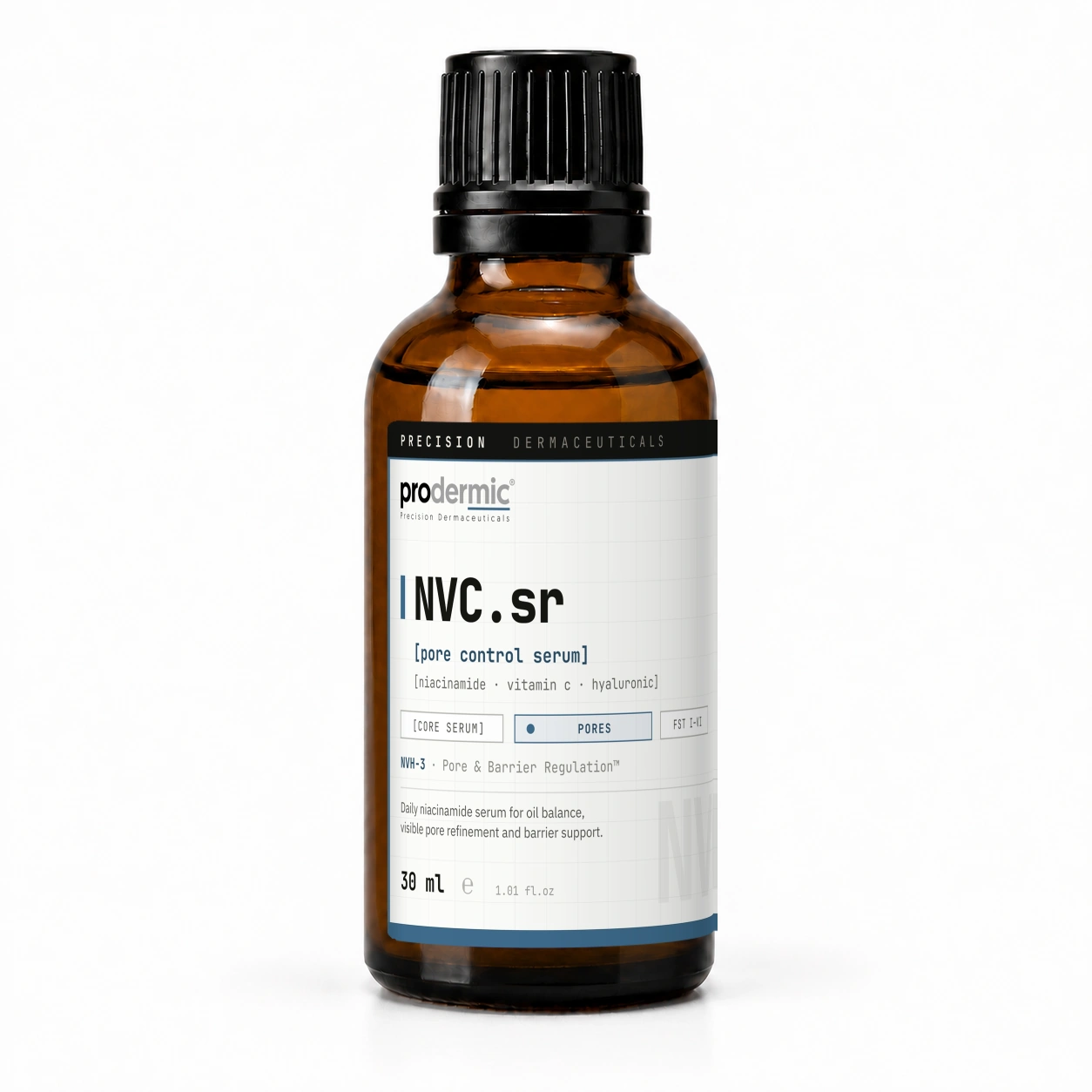
~75 sessions
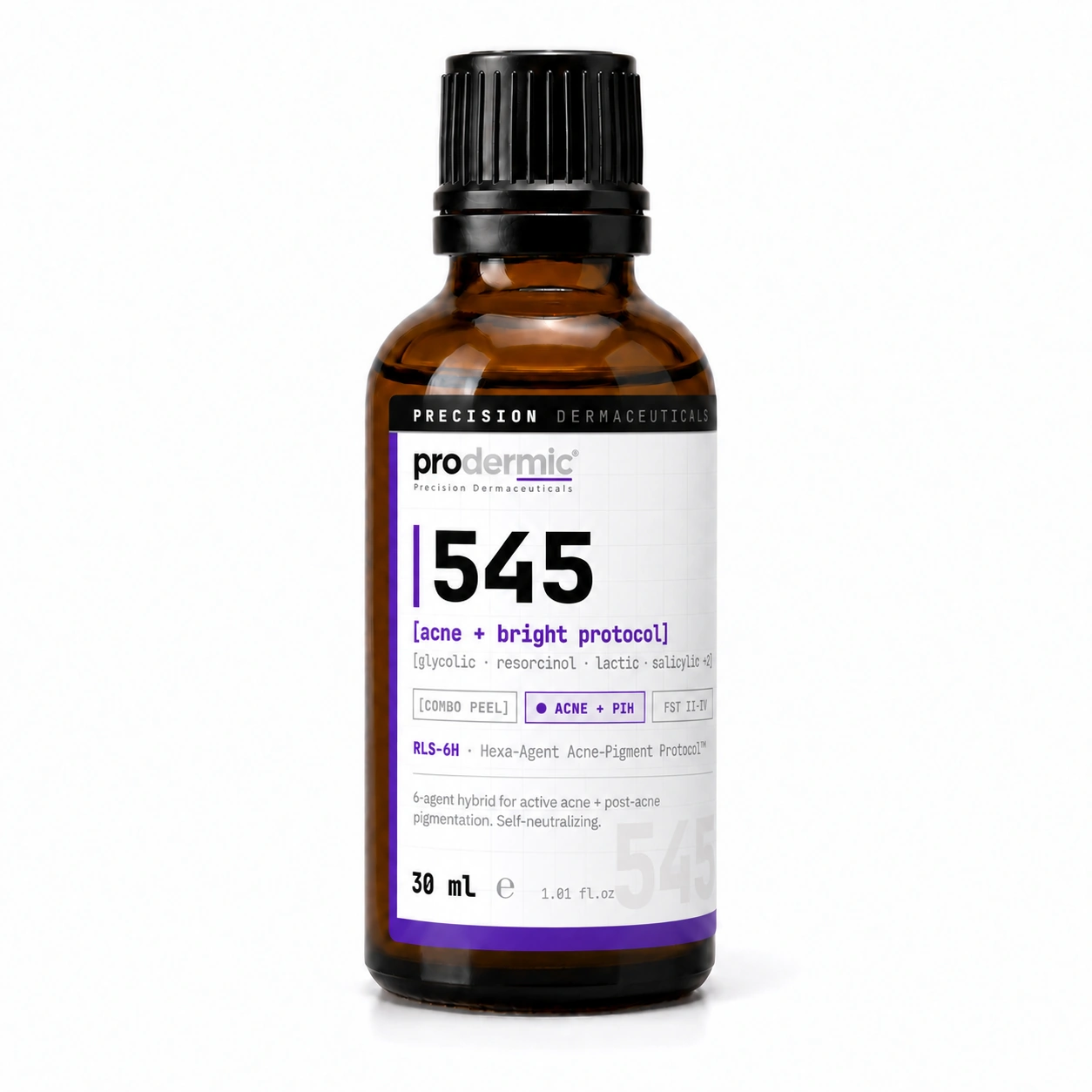
~24 sessions
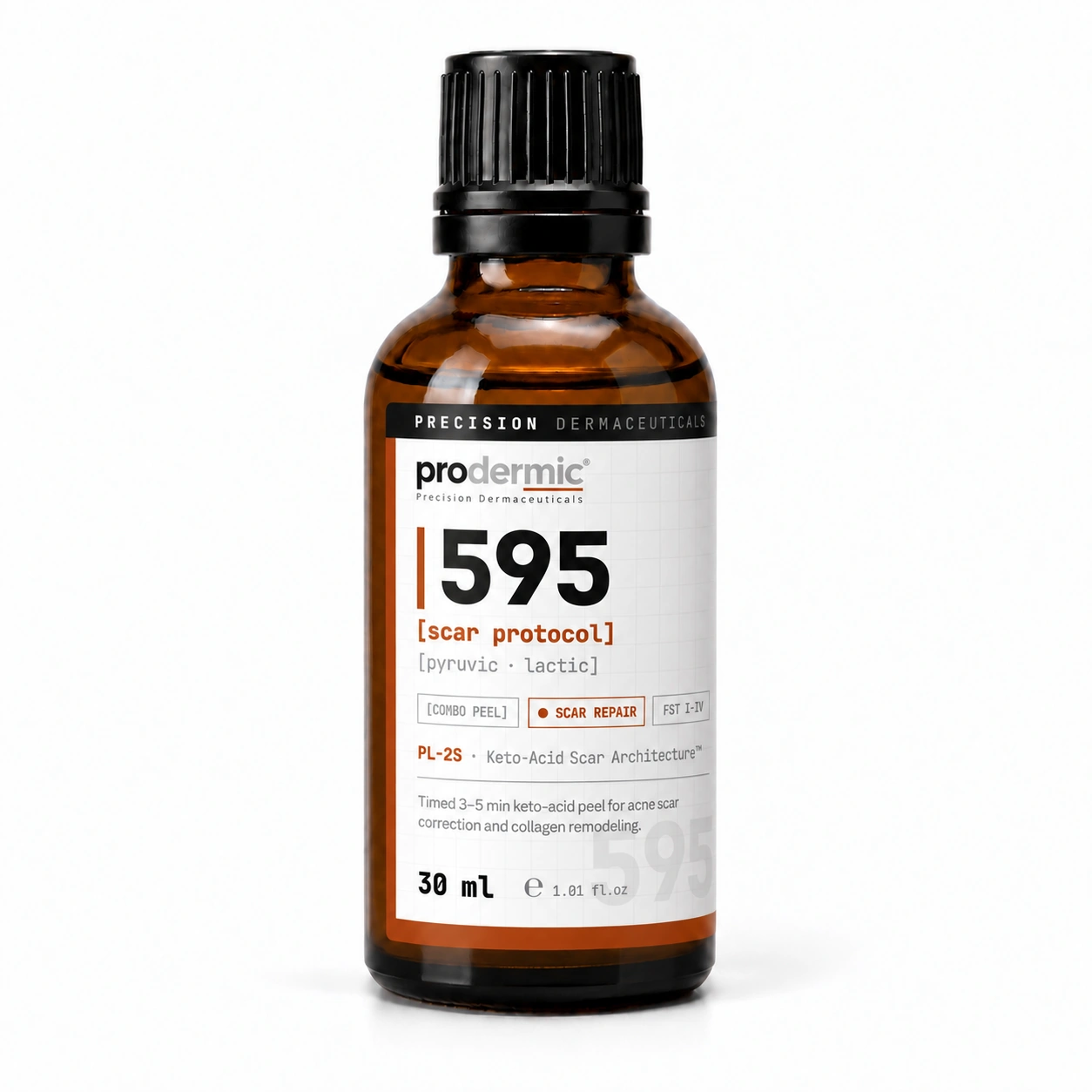
~24 sessions