


The Depigmenting Agent Ladder: Hydroquinone, Kojic, Azelaic, and Tranexamic Acid Compared for Clinic Use
Compare Hydroquinone, Kojic, Azelaic, Tranexamic Acid for pigmentation in Fitzpatrick IV–VI skin.

Hyperpigmentation, commonly affecting individuals with Fitzpatrick skin types IV–VI, can be expertly managed through strategic application of depigmenting agents such as Hydroquinone, Kojic Acid, Azelaic Acid, and Tranexamic Acid. Each agent operates through distinct mechanisms, offering varying levels of efficacy and safety across diverse skin types. Understanding these differences is crucial for optimizing treatment strategies.
Understanding Depigmenting Agents
Depigmenting agents are essential in treating conditions like melasma and post-inflammatory hyperpigmentation (PIH), which are prevalent across various skin types, particularly Fitzpatrick IV–VI. Effective management hinges on a thorough understanding of the mechanisms, clinical efficacy, and safety profiles of these agents.
Mechanisms of Action
Hydroquinone (HQ)
Hydroquinone is considered the gold standard for depigmentation. It primarily acts by inhibiting tyrosinase, the critical enzyme in melanin production, which is essential for pigmentation. Additionally, Hydroquinone induces melanocyte cytotoxicity, further reducing melanin synthesis. Despite its efficacy, clinicians must be cautious of potential side effects such as irritation, especially at concentrations above 2%, and the rare but concerning condition of exogenous ochronosis, characterized by skin thickening and hyperpigmentation that can be challenging to treat.
Hydroquinone formulations often range from 2-5% for topical use, with higher concentrations requiring medical supervision. Cyclic use, where the agent is discontinued after a few months, can help minimize side effects, allowing skin recovery while maintaining efficacy. An adjunctive use with mild corticosteroids or retinoids is sometimes employed to enhance penetration and reduce irritation. Applying Hydroquinone requires careful technique—avoiding unintended areas and ensuring even coverage is critical to prevent patchy depigmentation.
Kojic Acid (KA)
Derived from the fermentation of rice in the production of sake, Kojic Acid is a popular choice in skin-lightening formulations. Its mechanism involves chelating the copper ions necessary for the enzyme action of tyrosinase, therefore inhibiting melanogenesis. Although less potent than Hydroquinone, its favorable tolerability profile makes it an excellent alternative or adjunct in combination therapies.
Frequent use, particularly in individuals with sensitive skin, may lead to mild irritation, and patch testing is recommended prior to wide application. Kojic Acid concentrations commonly range from 1-4% in topical creams. Due to its mild nature, it pairs well in formulations designed for sensitive areas of the skin, such as the face. It is commonly used in conjunction with sunscreen to enhance UV protection and should be applied twice daily for optimal results.
Azelaic Acid (AA)
Azelaic Acid serves a dual purpose by not only inhibiting tyrosinase but also exerting selective cytotoxic effects on hyperactive melanocytes, which are more prevalent in hyperpigmented conditions. Studies have shown that at a 20% concentration, Azelaic Acid provides comparable efficacy to 4% Hydroquinone, particularly in conditions like melasma and PIH, without commonly observed adverse reactions like irritation or photosensitivity, making it suitable for long-term use.
Additionally, Azelaic Acid exhibits anti-inflammatory properties, beneficial in reducing associated erythema. Its use is frequently recommended in twice-daily application protocols, and it is particularly advantageous for sensitive skin types or those with concurrent acne concerns. Incorporating Azelaic Acid into treatment regimens requires consideration of patient skin sensitivity and any concurrent skincare products that may interact or enhance irritation.
Tranexamic Acid (TXA)
Tranexamic Acid, originally used as an antifibrinolytic agent, has redefined pigmentation treatments. In dermatology, it operates by inhibiting plasminogen activation in keratinocytes, which subsequently reduces the production of prostaglandins and other mediators stimulating melanocytes. This novel mechanism is particularly beneficial for darker skin tones, often showing results in as little as 6-8 weeks.
Tranexamic Acid is available in topical, oral, and injectable forms, making it versatile in treatment regimens. Topical formulations can be applied daily, while oral administration should be carefully dosed to avoid systemic effects, making it imperative for practitioners to weigh patient history and potential vascular risks. Injectable forms can be used for more targeted treatments, offering vascular-friendly solutions and are particularly useful when combined with other systemic or topical therapies.
Clinical Efficacy and Safety
Each depigmenting agent offers unique strengths and limitations that guide clinical decisions.
-
Hydroquinone: While effective at reducing pigmentation, prolonged use beyond 4-6 months without breaks can increase risks, such as ochronosis. Its use requires vigilant monitoring and should be coupled with sun protection strategies. Using sunscreens with physical blockers like zinc oxide or titanium dioxide is recommended to prevent UV-induced pigment rebound.
-
Kojic Acid: With a lower irritation potential, it suits individuals needing gentle treatment. However, its slower action necessitates patience and may require several months for visible changes. Regular reassessment of the treatment plan can help optimize outcomes by ensuring patient adherence and satisfaction.
-
Azelaic Acid: A reliable option for maintenance therapy due to its excellent safety profile, especially beneficial in individuals with both acne and pigmentation concerns. Its dual action and low comedogenicity make it a favored choice for ongoing management.
-
Tranexamic Acid: Its strength lies in its adaptability, suitable across different delivery methods, enhancing patient compliance by allowing customization to patient preference and lifestyle. Oral administration should be carefully monitored in patients with existing medication regimens to avoid contraindications.
Practical Application in Clinical Settings
In clinical practice, tailoring protocols to the individual’s skin type and response is crucial. For darker skin types, which are prone to hyperpigmentation and adverse reactions, a judicious approach is necessary.
-
Hydroquinone Protocols: Initiate with the lowest effective concentration or in combination with other agents to mitigate risks. Employing cycling strategies, where Hydroquinone use is interspersed with rest periods or other agents, can maintain effectiveness while reducing risks. Educating patients on avoiding occlusion post-application can also help prevent unwanted effects.
-
Kojic Acid Use: Especially valuable in combination formulations, it enhances overall stability and potency while minimizing irritation potential. Its role is often protective, preventing new pigmentation during treatment cycles. Protective strategies should include comprehensive UV protection measures.
-
Azelaic Acid Applications: Especially beneficial when anti-inflammatory action is desired, aiding both pigmentation and acne. It integrates smoothly into daily skincare routines due to its stability and minimal side effects. Counselling patients on its multifunctional benefits for both acne and pigmentation boost adherence.
-
Tranexamic Acid Regimens: Beneficial in patients requiring systemic treatment for stubborn pigmentation patterns, particularly during recalcitrant melasma cases. It complements topical treatments well, providing a comprehensive approach. Continuous patient education on potential mild side effects facilitates trust and treatment adherence.
Conclusion
Successful management of hyperpigmentation in Fitzpatrick IV–VI skin types requires a multifaceted approach, wisely utilizing the different strengths of depigmenting agents. With a keen eye on safety and efficacy, dermatologists can tailor treatments that are not only effective but also safe for long-term outcomes. Exploring other corrective treatments, such as combination chemical peels, can further enhance results, offering patients a clearer pathway to safer skin lightening.
Integrating newer treatment options like Glutathione Peels and Cosmelan Forte can also help expand a clinic's service line effectively, complementing traditional approaches while enhancing patient satisfaction and clinical outcomes.
Additional resources like the Fitzpatrick Typing in Practice article can provide deeper insights into accurately assessing skin types, ensuring the most appropriate treatment modalities are employed.
FAQ
How does Hydroquinone compare to Azelaic Acid?
Both are effective, but Azelaic Acid's alternative mechanism offers similar efficacy over extended periods without Hydroquinone's side effects, making it increasingly used in initial or maintenance therapy, especially when long-term treatment or sensitive skin is involved.
Is Kojic Acid safe for long-term use?
Yes, studies typically support its long-term safety. Monitoring for contact dermatitis remains prudent, but as a part of combination regimens, it often poses low risks, particularly at standard concentrations.
What makes Tranexamic Acid suitable for darker skin tones?
Tranexamic Acid addresses pigmentation by targeting specific pathways reducing melanocyte stimulation, beneficial for genetically darker skin tones prone to hyperpigmentation without inducing irritation or sensitivity.
How can I integrate these agents into a treatment plan?
A strategic combination approach works best. Start with Hydroquinone in tolerably short cycles, use Azelaic Acid for daily maintenance to mitigate acne, and incorporate Kojic Acid or Tranexamic Acid as adjunctive options to enhance comprehensive results.
Are there alternatives to these agents?
Newer options, such as Glutathione Peels and Cosmelan Forte, offer promising adjuncts or alternatives, providing paths for patients resistant or sensitive to traditional agents.
Can Tranexamic Acid be used in combination with other agents?
Yes, Tranexamic Acid is commonly used with other agents to enhance depigmentation efficacy, especially in complex cases of melasma. Its use alongside topicals like Hydroquinone or Azelaic Acid provides a multi-targeted approach to pigmentation control.
References
Related Protocols
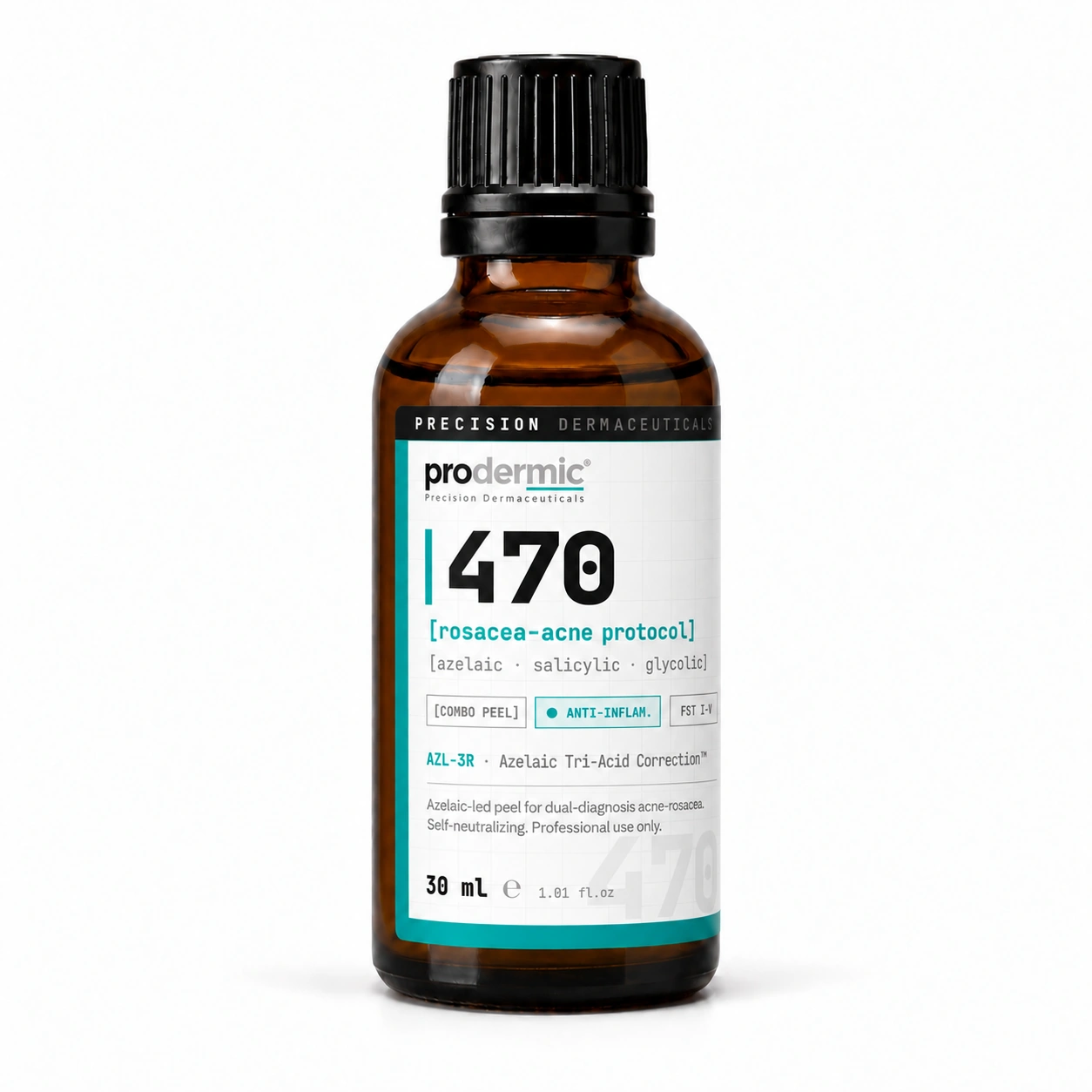
~24 sessions
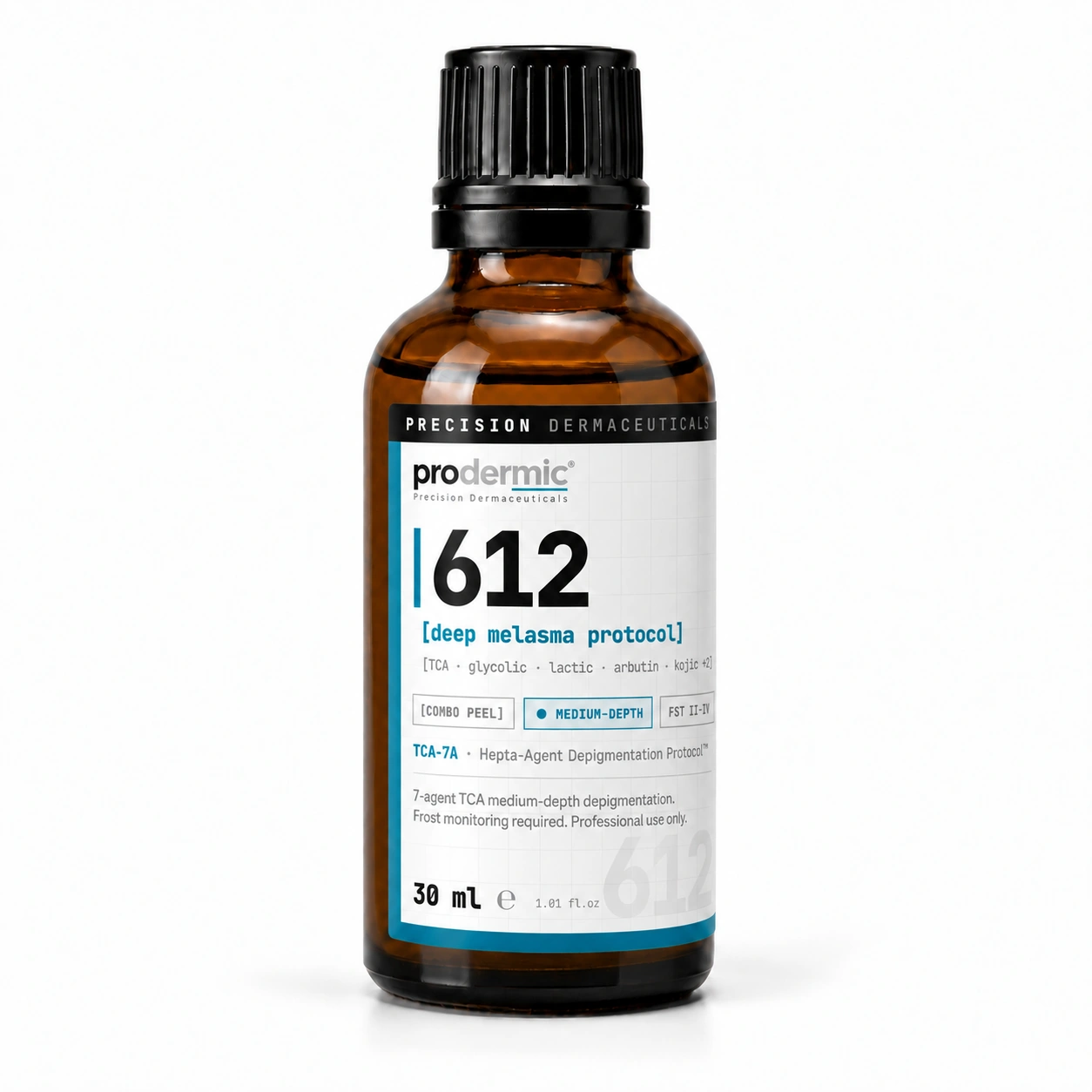
~7 sessions
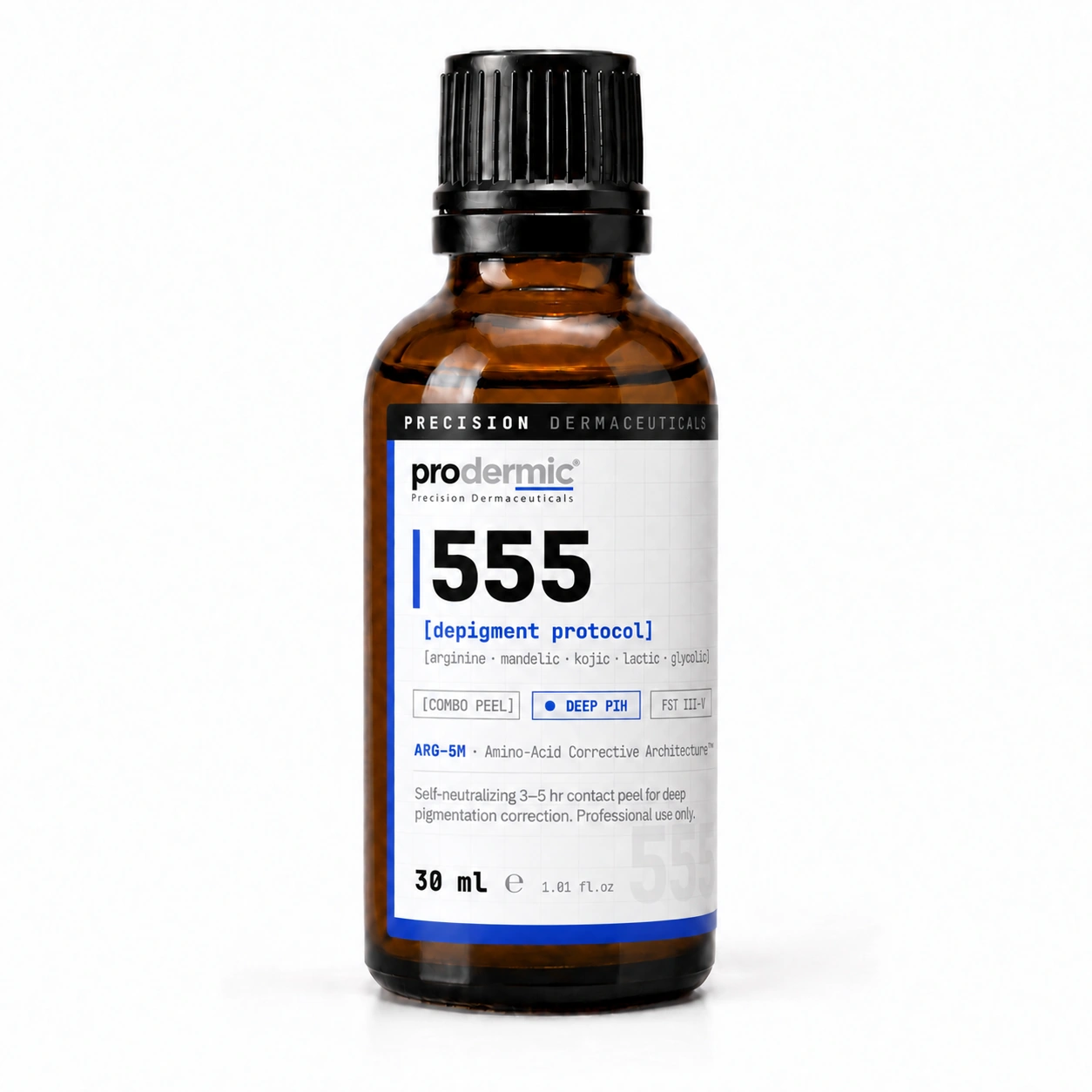
~24 sessions