


Patient Consultation and Workup Before a Peel: A Repeatable Intake Protocol
Implement a structured intake protocol before chemical peels to ensure safety and efficacy.

Chemical peels are a cornerstone of dermatological treatments, offering an effective method for improving skin texture, tone, and overall appearance. Before administering peels, a comprehensive patient consultation and workup are crucial to minimizing risks, especially for those with Fitzpatrick skin types IV–VI.
Understanding how to conduct a thorough intake protocol ensures that your chemical peel services are both effective and safe, balancing efficacy with patient satisfaction. This guide outlines a repeatable protocol that you can integrate into your practice.
The Importance of a Structured Consultation
A structured patient consultation sets the stage for successful outcomes in chemical peels. It helps identify potential contraindications, evaluate skin type, and determine the best peel depth for each patient. This process is especially vital for patients with darker skin tones as they have a higher risk of post-inflammatory hyperpigmentation and scarring.
Establishing a rapport with your patient is paramount. This involves listening to their aesthetic goals, previous experiences with cosmetic treatments, and addressing concerns they may harbor about chemical peels. Explain the stages they can expect throughout the treatment process and how each stage contributes to their overall skin health. This includes a discussion about the cellular mechanisms that influence skin texture and tone improvement post-peel.
In-depth conversations around past skin reactions can also guide the choice of chemical solutions and pre-peel skin conditioning methods, ultimately enhancing patient satisfaction and outcomes.
Detailed Patient Assessment
Medical History
Gathering a comprehensive medical history is the first step. Look for conditions such as asthma, heart disease, or acne, and consider their relevance to the peel process. Key contraindications include active infections, recent isotretinoin use, and a history of keloid formation. Special attention should be given to autoimmune conditions that may exacerbate inflammation.
It is also crucial to assess any topical or systemic medications that may interfere with peeling agents. Patients on photosensitizing medications should be cautiously considered, as they may experience exaggerated skin reactions post-peel.
Additionally, evaluate any history of herpetic outbreaks, advising prophylactic antiviral medication if necessary to prevent complications.
Skin Type Evaluation
Determine the patient's Fitzpatrick skin type to assess potential risks. Patients with skin types IV–VI require particular care due to their increased propensity for dyspigmentation. Utilize tools like the Fitzpatrick scale questionnaire to accurately assess and educate your patients. Managing Post-Peel PIH in Indian Skin provides further insight into this concern.
Technology such as spectrophotometric analysis and dermoscopy may aid in detailed skin assessments, offering a richer understanding of pigmentation patterns and underlying vascular conditions.
Assessing the patient’s natural skin barrier function is also important. Consider oil content, hydration levels, and texture to predict how the skin will react to peeling agents.
Pre-Peel Preparation
Skin Priming
Skin priming is vital to maximize outcomes. A regimen involving topical retinoids can be implemented 2–4 weeks prior to the peel. This preparation enhances skin cell turnover, leading to better peel results and reduced complications. Other alternatives might include hydroquinone creams to even out skin tone or azelaic acid for reducing acne-related inflammation. Combining agents like these can modulate melanocyte activity, preventing unwanted pigmentation changes.
- PrepEnsure the patient follows a pre-peel skincare regimen to enhance skin resilience.
- ApplyExplain the procedure, its benefits, and potential risks in detail to obtain informed consent.
For a more specialized approach, consider incorporating a Yellow Peel or a Melasmonil Peel depending on specific skin conditions and goals.
Hydration strategies using hyaluronic acid or ceramide-based moisturizers improve the skin's moisture barrier, preparing it effectively for peeling.
Informed Consent
Discussing potential risks, benefits, and necessary post-peel care upfront enables patients to make informed decisions. Stress the importance of disclosing any skin sensitivity or reactions they’ve experienced in the past. It's necessary to emphasize the importance of sun protection and follow-up appointments.
Avoiding sun exposure, even pre-peel, is essential. Educate patients on the necessity of sunblock during this phase, positioning it as an integral part of both pre- and post-peel care routines.
Detailed instructions on how to properly apply sunscreen can mitigate patient errors that lead to complications.
Selecting the Right Peel
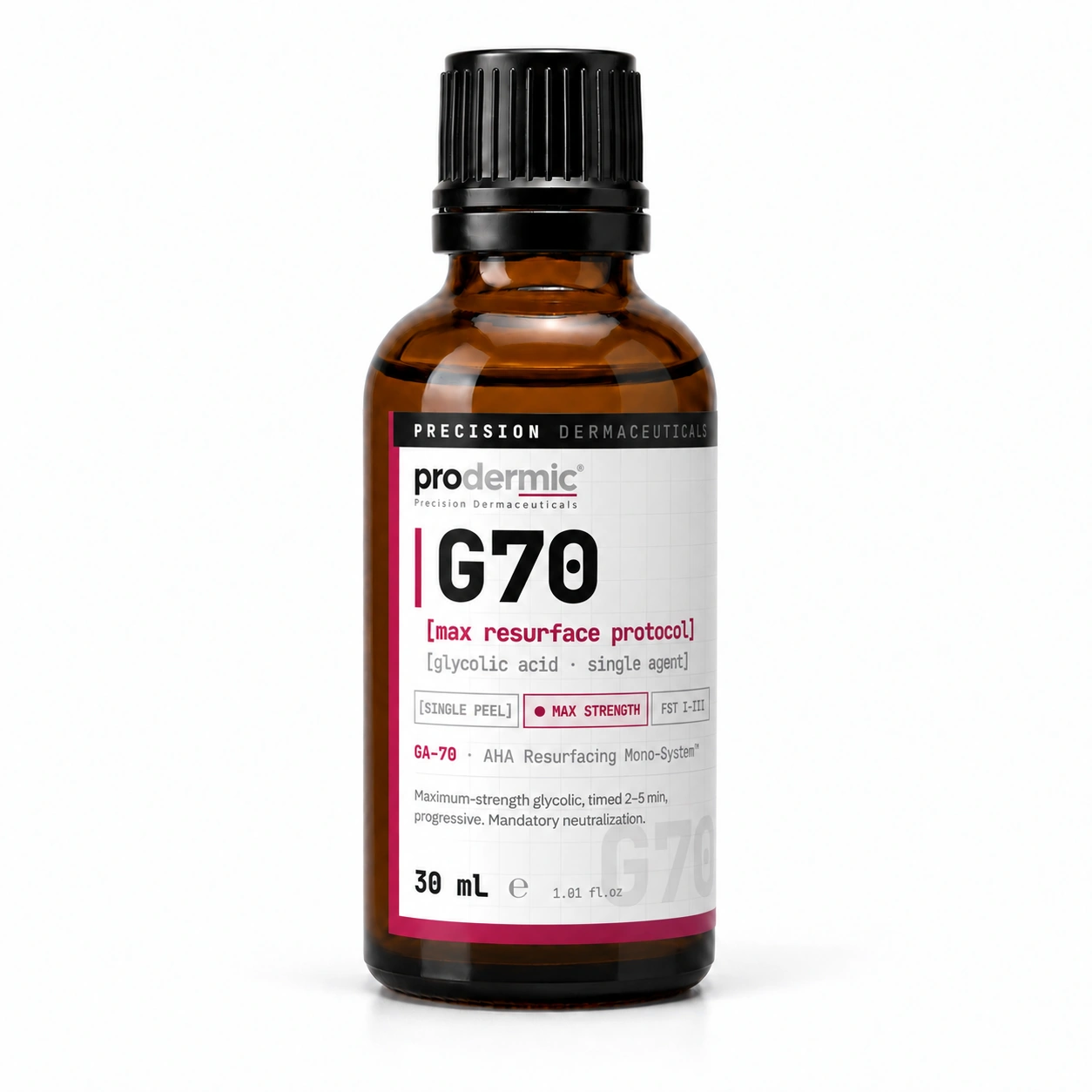
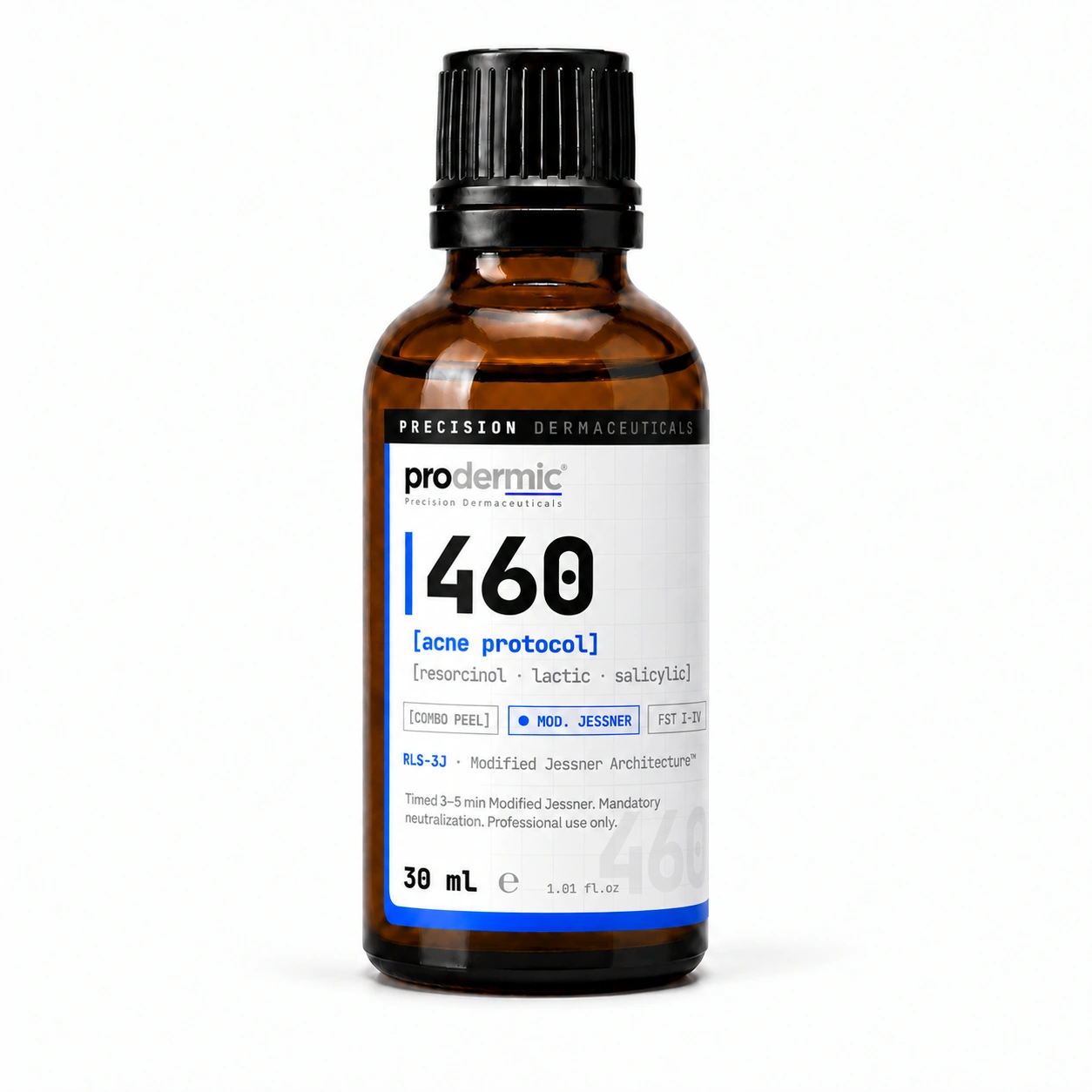
Selecting the correct chemical agent and concentration is paramount. For darker skin tones, opting for superficial peels like glycolic acid or Jessner's solution is advisable. These agents provide a favorable balance between safety and effectiveness. For a detailed protocol, check out Jessner's Peel: Step-by-Step Clinical Protocol & Indications.
Mechanisms of Action
Understanding the mechanisms: Glycolic acid operates by dissolving the intracellular glue that holds skin cells together, making it effective for superficial peeling. Jessner's solution combines salicylic acid, lactic acid, and resorcinol, offering a balanced exfoliation.
Mandelic acid, with its larger molecular structure, is beneficial for patients with sensitive skin or those vulnerable to post-inflammatory hyperpigmentation because it penetrates the skin more slowly and evenly.
The peel formulation should align with the patient’s skin type and desired outcomes. For instance, mandelic acid peels are also less likely to cause irritation, making them a popular choice for first-time treatments or patients with mixed racial backgrounds where skin reaction patterns can be unpredictable.
Post-Peel Care
Following treatment, strict adherence to sun protection is critical. Broad-spectrum sunscreens help prevent post-inflammatory hyperpigmentation. Gentle moisturizers support skin healing, mitigating common issues such as erythema and crusting. Stress the importance of avoiding mechanical exfoliation or the use of topical retinoids immediately post-peel.
Moisturization and Emollients
Incorporate ceramide-rich moisturizers to repair the skin barrier function effectively. The application of silicone-based scar gels may aid in preventing hypertrophic scars and ensure smoother skin renewal.
For ongoing care, products with peptides and antioxidants can support skin repair processes. The introduction of products like niacinamide can help in modulating inflammation and bolstering the skin barrier.
Begin a daily regimen of calming agents like oatmeal or aloe vera to assist in soothing inflammation while promoting healing.
Case Study: Superficial Peels in Darker Skin
A retrospective study of 473 treatments highlighted a low complication rate of 3.8% among patients with Fitzpatrick skin types III–VI, underscoring the effectiveness of superficial peels. Most complications observed were minor, including crusting and erythema. This study, featured in the Journal of the American Academy of Dermatology, affirms the safety and efficacy of careful peel administration.
These findings encourage a patient-centered approach tailored to unique skin characteristics, reaffirming that risk stratification is key in procedural dermatology.
Addressing Common Concerns
Superficial peels offer a reliable method for managing acne and pigmentation issues across all skin types. However, patient concerns need careful handling.
FAQ
How should patients prepare for a chemical peel?
Patients should follow a pre-peel regimen that may include topical retinoids, hydroquinone, or alpha-hydroxy acids. They must avoid certain medications as directed by their dermatologist to prevent adverse reactions.
Ensure to educate patients on the cessation of certain skincare products, such as exfoliating scrubs or alcohol-based toners, to minimize skin irritation before the peel.
What risks should be discussed with patients?
Patients should be made aware of potential risks such as hyperpigmentation, prolonged erythema, and skin irritation. They should be informed of the necessity for rigorous sun protection and its implications on healing.
Outline potential recovery timelines, emphasizing individual variations in response and healing to manage expectations effectively.
Are chemical peels safe for darker skin tones?
Yes, when performed correctly with appropriate peels and concentrations, they have a low complication rate and are effective. Pre-peel skin conditioning and post-procedure care are critical components.
Frequently, apprehension arises from a history of adverse reactions to cosmetic treatments. Address psychological components by providing ample information and resources.
How is the right peel depth determined?
The appropriate peel depth is selected based on the severity of the skin issue, desired outcome, and patient's skin type. A lighter peel is typically more suitable for those with darker skin to minimize risk.
Utilize dermatoscopic evaluation to gauge skin thickness and epidermal characteristics that may influence depth selection.
What post-care measures should patients follow?
Patients must use gentle moisturizers and broad-spectrum sunscreens. They should adhere to follow-up appointments to monitor progress and address any concerns. Hydration and gentle cleansing without unnecessary abrasion are key to recovery.
Promote the use of humectants like glycerin or urea to enhance the skin's ability to attract and retain moisture.
Why is sun protection crucial post-peel?
Sun protection is critical post-peel to prevent pigmentation changes and protect the new, sensitive skin layer. This is doubly important for patients prone to dyspigmentation.
Encourage protective clothing and timing outdoor activities around peak UV exposure periods.
For more information on building a chemical peel service line, read Building a Chemical-Peel Service Line: Pricing, Margin, and Throughput for Indian Clinics.
Additional Insights
Understanding patient lifestyle and routine can help in recommending products that fit seamlessly into their daily life. Communication doesn’t end with the peel; a continuous follow-up plan can catalyze effective results.
Evaluate patient satisfaction through feedback to refine procedural protocols continuously, ensuring both clinical success and patient contentment.
In conclusion, by adhering to a structured pre-peel protocol and patient assessment, dermatologists can optimize results and minimize complications, especially in diverse skin types. Whether integrating peels into an existing practice or starting a new service line, a focus on safety and efficacy remains essential.
References
Related Protocols
~20 sessions
~24 sessions
~45 sessions
~25 sessions