


Melasma Maintenance and Recurrence: Strategies for Keeping Pigment Off
Explore evidence-based strategies for melasma maintenance and prevent recurrence after treatment.

Melasma is a persistent skin condition marked by symmetrical, blotchy brown pigmentation on the face. It primarily affects those with Fitzpatrick skin types IV–VI, where baseline melanin levels are higher. The chronic and relapsing nature of melasma demands effective maintenance strategies to prevent recurrence after initial treatment.
After the active phase of melasma is successfully treated, maintaining clear skin requires a combination of topical treatments, sun protection, and, when appropriate, oral medication. Without these, relapse rates can reach 50% within six months.
Understanding Melasma
Melasma involves overactive melanocytes in response to triggers like UV exposure and hormonal changes. This multifactorial condition necessitates a comprehensive treatment and maintenance approach. The pathophysiology of melasma is complex, often involving genetic predisposition coupled with environmental triggers. Notably, hormones such as estrogen and progesterone can exacerbate melasma, making it a common concern during pregnancy and for those using oral contraceptives.
Mechanisms of Pigmentation
The dysregulation of melanocytes, spurred by environmental and genetic factors, characterizes melasma. Melanin production is a result of the enzymatic conversion of tyrosine to melanin via tyrosinase. In skin types IV–VI, this process is heightened, which can lead to more significant pigmentation challenges. This necessitates cautious management to avoid exacerbating the condition, as aggressive treatments can induce post-inflammatory hyperpigmentation (PIH), a common pitfall in darker skin tones.
Melasma often presents as centrofacial, malar, or mandibular patterns, each requiring specific approaches to management. Centrofacial presentation involves the forehead, cheeks, upper lip, and nose, while the malar pattern is limited to the cheeks and nose, and the mandibular type affects the jawline.
Addressing Relapse
Recurrence is common, influenced by UV radiation, hormonal fluctuations, and photo-aging processes. Implementing robust maintenance therapies is crucial to tackle underlying causes and prevent new pigmentation. Long-term management strategies must be patient-tailored, incorporating lifestyle modifications such as minimizing UV exposure and using hormonal treatments judiciously.
Maintenance Therapy Options
Various therapeutic agents and regimens prove effective in maintaining pigmentation control. A comprehensive approach combines topicals, sun protection, oral agents, and sometimes procedural interventions.
Topical Agents
-
Hydroquinone: A strong melanin suppressant frequently used as an initial approach to lighten hyperpigmentation. While effective, hydroquinone can lead to complications like ochronosis, particularly with long-term use in darker skin types. Break periods and rotations with other drugs can mitigate risks. It’s often combined with retinoids and steroids in the famous Kligman’s formula to enhance efficacy while minimizing side effects.
-
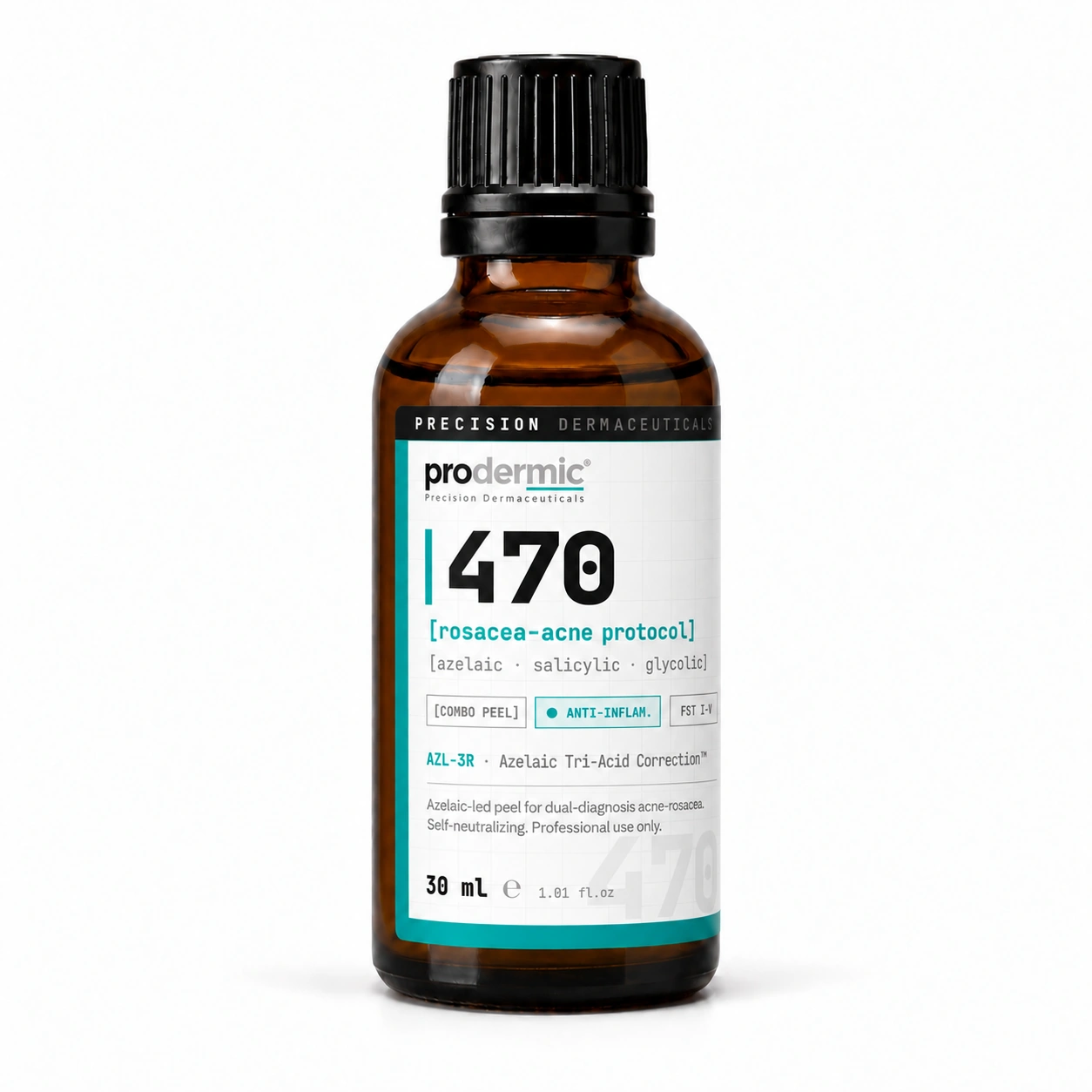
Azelaic Acid: This dicarboxylic acid offers a more favorable safety profile for individuals with skin of color, providing significant pigment reduction with minimal side effects. It is also non-teratogenic, making it a safer option during pregnancy. Azelaic acid helps in controlling acne, often associated with melasma. It inhibits tyrosinase activity, thus reducing melanin production efficiently.
-
Retinoids: Agents like tretinoin increase cell turnover rates, aiding in pigment dispersion. However, their use may be limited by irritation in sensitive individuals. Slow titration and combination with moisturizers can enhance tolerability. Retinoids are best used as an adjunct to other therapies, helping maintain results achieved with hydroquinone or azelaic acid.
-
Kojic Acid and Arbutin: Serving as additional options, these agents inhibit tyrosinase. They can be used in conjunction with other treatments to enhance depigmentation effects, especially when hydroquinone is not well-tolerated.
Sun Protection
Broad-spectrum sunscreens with SPF ≥ 50 should be a staple in maintenance regimes to mitigate UV-induced pigmentation. Tinted options containing iron oxides offer additional defense against visible light, which significantly impacts melasma in darker skin tones. Incorporating physical blockers like zinc oxide or titanium dioxide can provide further protection. Encouraging patients to reapply every two hours when outdoors can significantly decrease relapse rates.
Photoprotection must extend beyond sunscreen. Wide-brimmed hats, UV-protective clothing, and seeking shade during peak hours are equally important. Advising patients to be consistent with these measures can enhance overall outcomes.
Oral and Advanced Options
Tranexamic Acid
This oral agent inhibits plasminogen activation, reducing melanin synthesis and vascular proliferation associated with melasma. It has shown potential in reducing recurrence rates. However, its side effect profile, including thromboembolic risk, requires careful patient selection and monitoring. A detailed risk assessment for thrombotic history is necessary before initiating therapy.
Clinical studies suggest that combining low-dose tranexamic acid with topical treatments can significantly enhance efficacy. Patients must be well-informed about signs of potential complications to ensure timely intervention.
Safety in Fitzpatrick IV–VI Skin
Sensitivity to treatment-induced changes like post-inflammatory hyperpigmentation (PIH) necessitates careful protocol choice. Cosmetic Procedures in Skin of Color: A Risk-Stratification Guide for Aesthetic Practitioners offers further insights into safe practices. It is crucial to balance efficacy with safety by opting for gentler treatments and closely observing the skin’s response.
Chemical Peels and Laser Therapies
Superficial chemical peels, such as glycolic, salicylic, or mandelic acid, and non-ablative laser therapies may be cautiously used. Parameters should be meticulously managed to prevent adverse outcomes such as PIH. Discussing options such as the Salicylic, Glycolic, Lactic, or Mandelic: Choosing the Right Peel by Fitzpatrick Type ensures informed decision-making. Regular treatment sessions with low-concentration peels can provide cumulative benefits without significant risk.
Treatment with lasers like Q-switched Nd:YAG requires precise calibration and patient selection to minimize risks. Carefully balancing fluence and pulse duration can optimize results while reducing adverse events.
Practical Protocols and Patient Management
-
Education: Patients should understand melasma's chronic nature and commit to long-term maintenance. Explaining the importance of regular follow-ups and consistent skin care routines can empower patients and enhance compliance.
-
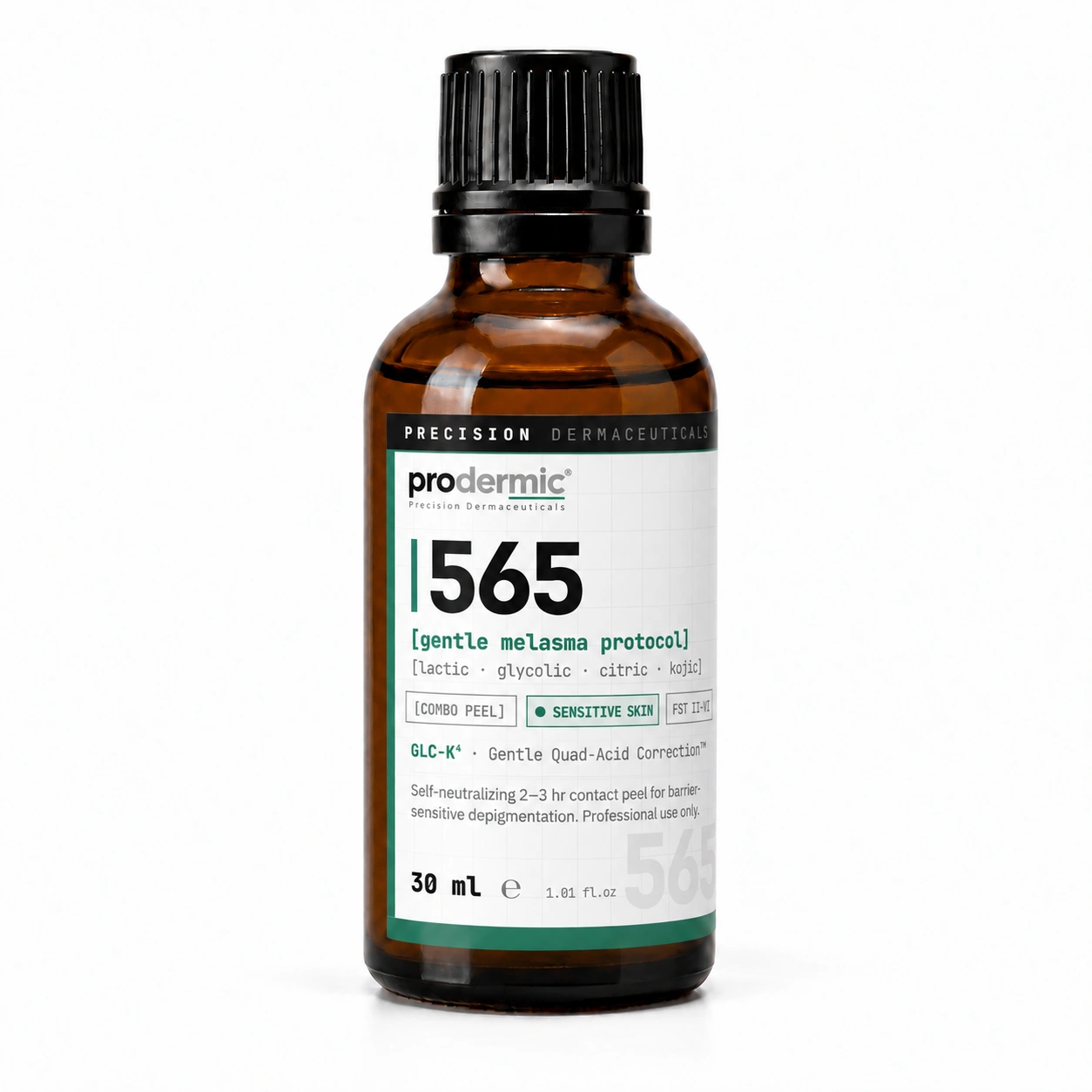
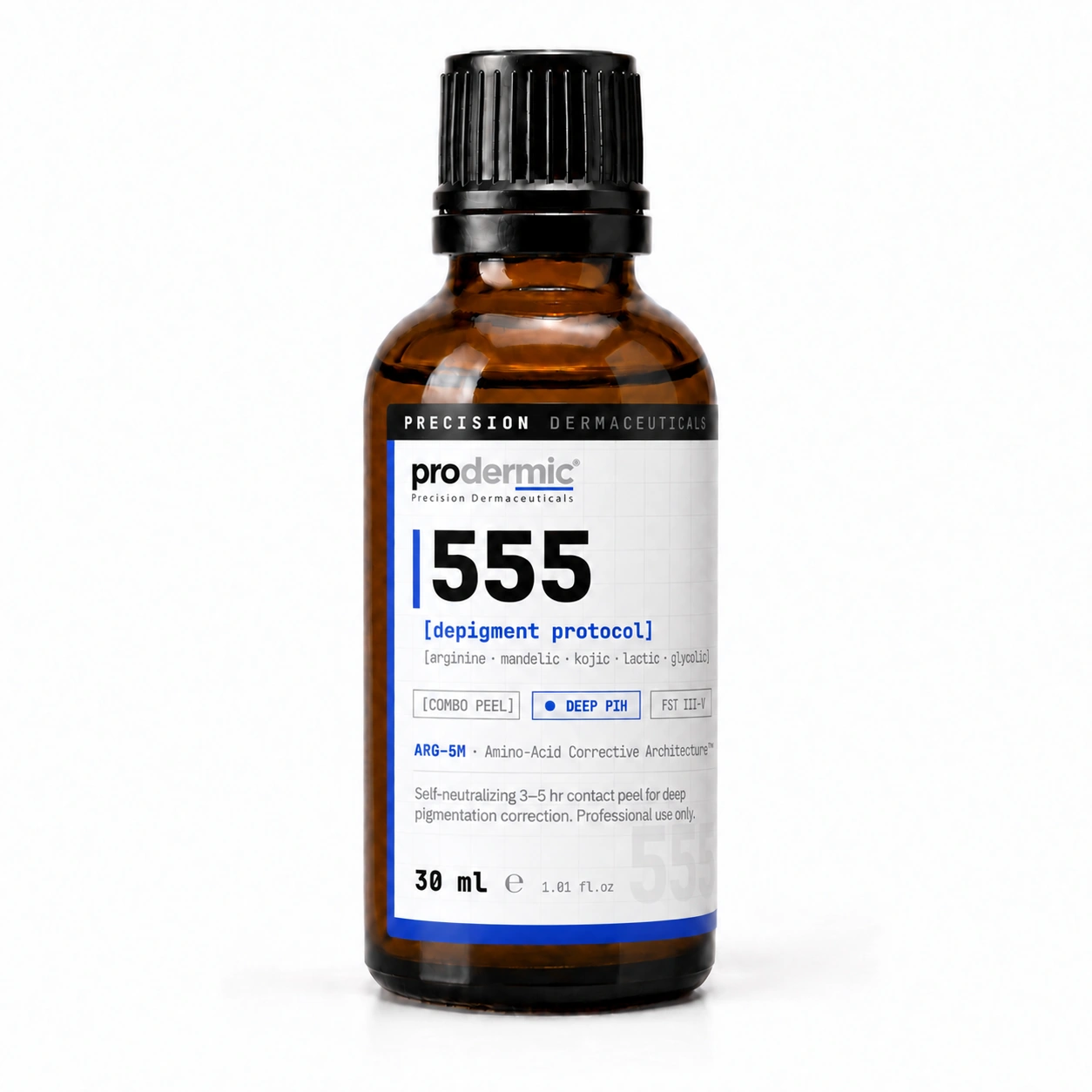
Customized Protocols: Tailoring treatments to individual needs and tolerance is crucial. For example, the Cosmelan Forte peel can be reviewed for patients who need a tailored, high-potency depigmentation solution. Treatment plans should evolve as the patient's skin responds over time, with flexibility to introduce new modalities based on evidence and patient preference.
-
Regular Follow-up: Ongoing evaluations allow for treatment adjustments, ensuring continued effectiveness. Quarterly assessments help track pigmentation progress and make timely interventions to prevent relapse.
-
Combination Therapy: Utilizing a combined approach of topical and oral agents enhances results and minimizes recurrence risk. Incorporating lifestyle advice, such as diet adjustments to reduce glycation which can impact skin health, can further benefit patients. Supplements containing antioxidants like vitamin C and E, pycnogenol, and glutathione might provide adjunctive support to topical treatments.
FAQs
How effective is azelaic acid for maintenance?
Azelaic acid is highly effective for long-term use, especially in Fitzpatrick IV–VI skin types, due to its minimal side effects, anti-inflammatory properties, and dual benefits for both acne and pigmentation. It is well-tolerated and ideal for continual use, allowing for integration with other therapies.
How often should patients follow up?
Regular follow-ups every three to six months help track progress and adjust treatment plans. More frequent visits in the initial treatment phase can optimize regimen effectiveness.
What role does sunscreen play in melasma management?
Daily use of broad-spectrum sunscreen is crucial to prevent UV-induced recurrence of pigmentation. Even ambient light exposure indoors can aggravate melasma, so applying sunscreen daily and as needed is imperative. Educating patients on the cumulative effects of sun exposure can enforce compliance.
Are oral agents like tranexamic acid safe?
Tranexamic acid has shown promise but requires a careful risk-benefit analysis, given potential side effects like gastrointestinal discomfort and coagulation disturbances. Regular liver function tests and coagulation profiles help ensure safety.
Can chemical peels be safely used in darker skin?
Yes, with caution. Superficial peels like those based on lactic or mandelic acid are preferable, and deeper peels should be avoided to prevent PIH. Gradual and repeated treatments can yield substantial improvements when carried out meticulously.
What lifestyle changes can help manage melasma?
Encouraging a balanced diet rich in antioxidants supports skin health. Avoiding triggers such as heat, stress, and certain cosmetic products can also prevent exacerbations. Lifestyle interventions go hand in hand with medical treatments to provide holistic care.
Read more about melasma strategies in Melasma Management: Why Multi-Pathway Protocols Outperform Monotherapy and explore in-depth protocol steps at Glutathione Peel.
By employing a well-rounded maintenance approach, clinicians can enhance patient outcomes, minimizing the relapse of melasma and supporting long-term skin health. Blending advances in dermatological treatments with personalized patient care leads to successful management of this often challenging condition.
References
Related Protocols
~24 sessions
~24 sessions
~24 sessions