Glycolic Acid Peels: Concentration, pH, Free-Acid Value and Why the Label Number Isn't the Whole Story
Explore the real story behind glycolic acid peels: concentration, pH, and free-acid value.
Glycolic acid peels offer significant exfoliation and rejuvenation benefits, but understanding the concentration, pH, and free-acid value is crucial for effective outcomes. These factors collectively influence both the efficacy and safety of the treatment.
The Chemistry Behind Glycolic Acid Peels
Glycolic acid, a member of the alpha-hydroxy acids (AHAs), is renowned for its small molecular weight, allowing deep skin penetration and promoting exfoliation. It works by reducing the cohesion between corneocytes, which facilitates shedding of the skin’s outer layer. Additionally, it boosts fibroblast activity, enhancing collagen synthesis—key to its anti-aging properties. This exfoliation process is beneficial for unblocking pores and promoting cell turnover, making it effective in acne management as seen in various clinical studies. For targeted results, some practitioners may explore combining glycolic peels with protocols like the Yellow Peel (Leave-On) to address pigmentation more effectively.
Molecular Mechanism
The primary action mechanism involves breaking down the glycolic bonds in the stratum corneum, which plays a role in the desquamation of dead skin cells. This enhances skin regeneration and brightens the overall complexion. Furthermore, the stimulation of glycolic acid promotes hyaluronic acid synthesis along with ceramide production, bolstering skin hydration and barrier function. These effects are integral in addressing issues such as fine lines, and dryness, contributing to the overall rejuvenation process.
Understanding these processes aids dermatologists in tailoring treatments to address specific epidermal concerns such as fine lines, acne scars, and hyperpigmentation. The nuanced mechanism also implies that application techniques, concentrations, and patient selection play vital roles in optimizing results. For additional exfoliative benefits, consider integrating glycolic peels with the Glutathione Peel depending on the patient's specific skin concerns.
Clinical Evidence of Efficacy
Research underscores the benefits of glycolic acid peels in enhancing skin texture, reducing fine lines, and treating hyperpigmentation. DiNardo et al. demonstrated that regular applications could thin the stratum corneum and increase glycosaminoglycan and collagen levels, improving overall skin health (source). Moreover, other studies have shown that consistent glycolic peel usage can improve skin elasticity and reduce the severity of acne scars, contributing to a more even skin tone.
Comparative Studies
Comparative analyses between glycolic acid and other peeling agents such as salicylic and lactic acids reveal its superior ability to improve epidermal thickness and hydration levels. These studies indicate a substantial advantage in selecting glycolic acid for patients with deeper textural issues or those requiring robust collagen stimulation. The critical takeaway is optimizing peel selection based on individual skin conditions and treatment objectives.
Additionally, glycolic acid has been noted for its ability to combat photodamage, making it an effective solution for issues like fine wrinkles and uneven pigmentation caused by sun exposure. These attributes are particularly beneficial in a high-UV environment, emphasizing the need for post-treatment SPF application to sustain the benefits.
Understanding Concentration, pH, and Free-Acid Value
Choosing the right combination of concentration and pH is essential for optimizing the results of a peel.
Concentration Ranges
The concentration of glycolic acid significantly affects both efficacy and safety.
- 2%–10%: Over-the-counter range, generally safe for regular use. Ideal for maintaining skin hydration and mild exfoliation.
- 10%–20%: Higher-end OTC products or low-potency professional peels. There is an elevated risk of irritation, best for focused anti-aging or pigment-lightening treatments.
- 20%–35%: Professional-grade peels targeting moderate acne, pigment disorders, and early aging signs. Requires careful monitoring over application duration.
- 50%–70%: Medium-depth peels, suitable only for dermatologists due to the high risk. Provides intensive treatment for advanced photoaging and complex acne scars (source).
pH Levels
The pH level regulates the peel's potency:
- pH 3.0–3.5: High potency formulations that remove more layers of dead skin, suitable for resilient skin types.
- pH 3.5–4.0: Balances efficacy with a reduction in irritation risk, applicable in sensitive skin or increased exposure frequency.
- pH 4.0–4.5: These formulas lower active acid availability and significantly reduce irritation, suitable for sensitive skin or maintenance peels.
Free-Acid Value (FAV)
Free-acid value indicates the percentage of glycolic acid in its active form at a given pH. Two products with identical acid concentrations can vary significantly in potency based on their pH, necessitating a careful evaluation of both concentration and pH to determine true peel strength (source). Understanding this value ensures practitioners can predict the peeling and irritation potentials more accurately. This concept underscores the importance of training and expertise in peel administration for skin safety.
Considerations for Fitzpatrick IV–VI Skin Types
Caution is advised for darker skin types due to a higher risk of post-inflammatory hyperpigmentation (PIH).
Pre-Peel Preparation
Utilize skin preparation agents like tretinoin, kojic acid, or hydroquinone. These agents work by inhibiting tyrosinase, thereby reducing melanin synthesis and allowing an even peeling process to occur. A pre-peel routine that includes broad-spectrum sunscreen is also crucial to minimize the risk of pigment alteration.
Engaging patients in pre-treatment protocols can markedly enhance outcomes, mitigating adverse effects and ensuring a more uniform peel. This protocol includes informing patients about dietary supplements or medications that might sensitize skin, adjusting usage prior to treatment commencement.
Procedure Timing
In patients with Fitzpatrick IV–VI, erythema is subtler, necessitating a gentle approach. Peels should be timed meticulously between 3–5 minutes, particularly with higher concentrations, to avoid over-exfoliation that could trigger pigmentation complications. Refer to Chemical Peels in Skin of Color: A Risk-Stratification Guide for more nuanced guidance.
The sensitivity of darker skin types requires intuitive and cautious application, demanding frequent assessments throughout the treatment. Consideration of cultural and individual diversity within the broader category of darker skin types is essential for optimizing outcomes.
Post-Peel Care
Post-peel care protocols must emphasize moisturizing and photoprotection. Patients should refrain from using irritants such as facial scrubs and laser treatments for at least a week. Educating patients about sun avoidance and diligent application of broad-spectrum SPF will aid in prevention against rebound pigmentation.
Consider post-peel application of ceramide-rich formulations to strengthen the skin barrier, enhancing healing and preventing disruption of pigment cells. The choice of a soothing moisturizer that includes anti-inflammatory agents, such as niacinamide, can also assist in minimizing irritation.
Protocol Tips for Practitioners
- Neutralization: Have preparations in place to swiftly neutralize the acid post-application as glycolic acid is not self-neutralizing.
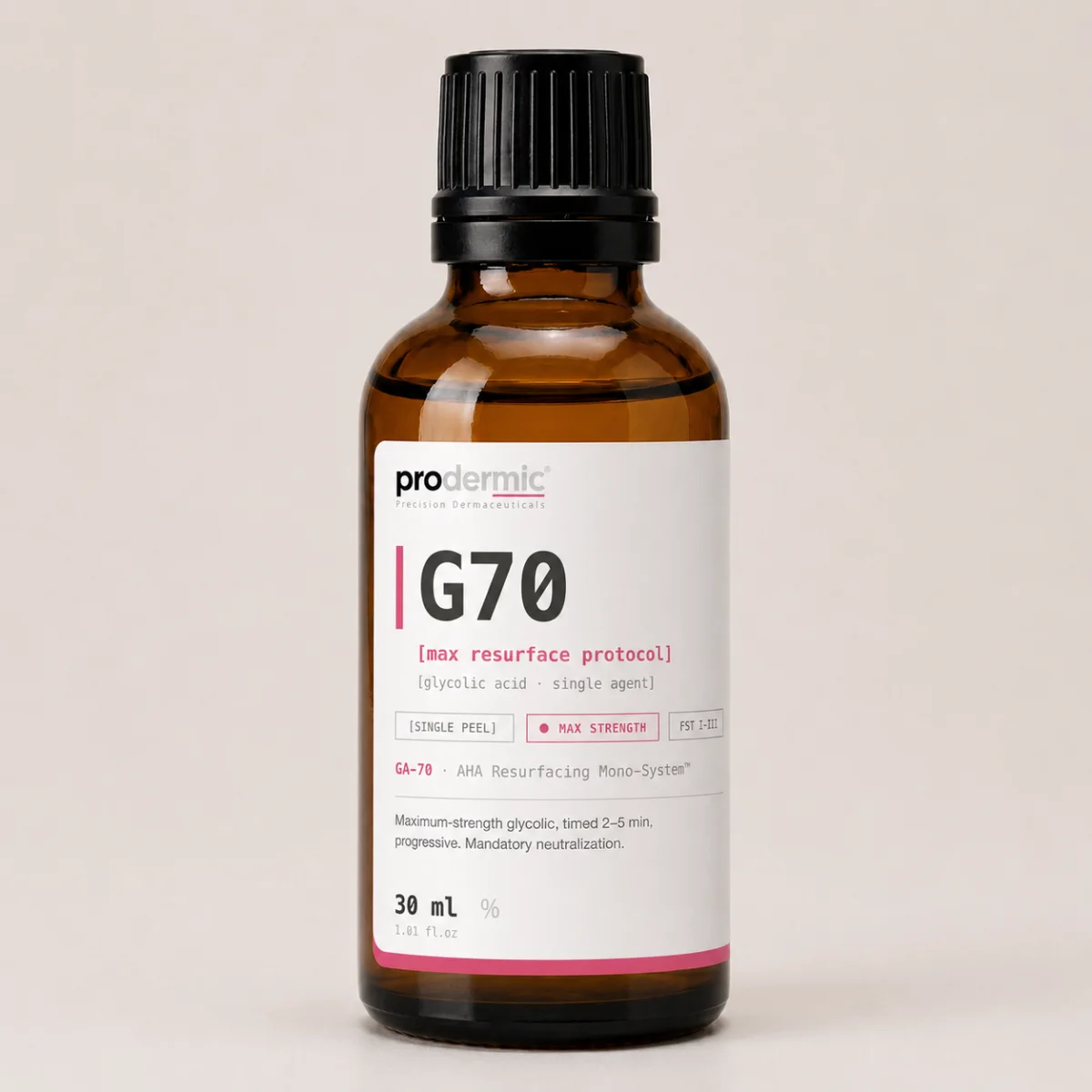
- Contact Time: A 70% solution applied for 2–5 minutes allows for increased dermal penetration, achieving a deeper and more uniform peel. This necessitates constant practitioner presence and vigilance during application.
- Sun Protection: Emphasize the need for daily sunscreen application to protect the skin barrier post-peel, especially in sunny climates.
Incorporating these methods ensures a safer application process and optimizes the benefits gleaned from glycolic peels.
Expanding the Range of Usage
Glycolic acid peels are versatile, extending their utility from facial applications to addressing concerns of body exfoliation, such as keratosis pilaris on the arms or to aid in smoothing elbows and knees. Given their hydrating nature, they can be combined with other dermatological treatments like microneedling or radiofrequency for enhanced results when used under professional supervision.
Explore more about these combinations and approaches in Building a Chemical-Peel Service Line.
Integrating glycolic peels into broader treatment regimens can enhance aesthetic outcomes, providing comprehensive care options for patients. This strategy can substantially increase patient engagement by offering repeat treatments tailored to evolving skin needs, enhancing clinic revenue through maintenance and combination treatments.
FAQs
How do I determine the best peel concentration for a patient?
A comprehensive patient assessment considering skin type, desired outcome, and previous peel experience is crucial. Start with lower concentrations for peel newbies, and gradually advance potency as tolerance improves.
Considering the patient’s lifestyle, occupation, and sun exposure levels also plays a critical role in determining suitable peel concentrations. For instance, patients with outdoor jobs may require treatments during vacation periods to manage post-peel photoprotection effectively.
What are the safety precautions for darker skin tones?
Pre-treat with lightening agents and ensure rigorous adherence to post-care guidelines to mitigate PIH risk. Always opt for peels with a softer pH, prioritizing gradual skin lightening and reducing potential for uneven pigmentation.
Are higher concentrations always better?
Higher concentrations can yield faster results but pose greater irritation risks. Selecting an optimal concentration balances desired outcomes against post-treatment downtime and discomfort. It's essential to tailor concentration to individual skin resilience and treatment goals.
What role does pH play in peel effectiveness?
A lower pH maximizes active glycolic acid exposure and exfoliative effects but simultaneously elevates irritation potential, necessitating careful selection based on individual skin resilience.
The awareness and systematic approach to selecting pH levels can dramatically impact treatment success and safety. Professionals must align pH choice with clinical objectives and patient skin conditions.
Can glycolic acid peels be used in combination with other treatments?
Yes, glycolic peels can complement dermabrasion or laser therapies when administered sequentially and in coordination with a certified professional’s guidance. Such combinations should leverage maximal treatment synergy while minimizing cumulative irritation potential.
Practitioners must carefully adjust the timing and scheduling of such combined treatments, allowing adequate recovery and monitoring of skin response throughout the therapeutic journey.
How do I address patient concerns about glycolic acid peels?
Communicate the scientific rationale and clinical results clearly. Discuss process expectations, result timelines, and follow-up care confidently to build trust and acceptance.
Discussing case studies or visual outcomes from prior patients may also reassure new clients about the efficacy and safety of glycolic peels. Personalized consultations provide platforms for addressing specific concerns, ensuring clients feel informed and comfortable.
By mastering the nuances of glycolic acid peel components and appropriately adapting them to diverse patient needs, dermatologists can significantly enhance treatment experiences and results, helping patients achieve a balance between safety and efficacy.
References
Related Protocols
~20 sessions
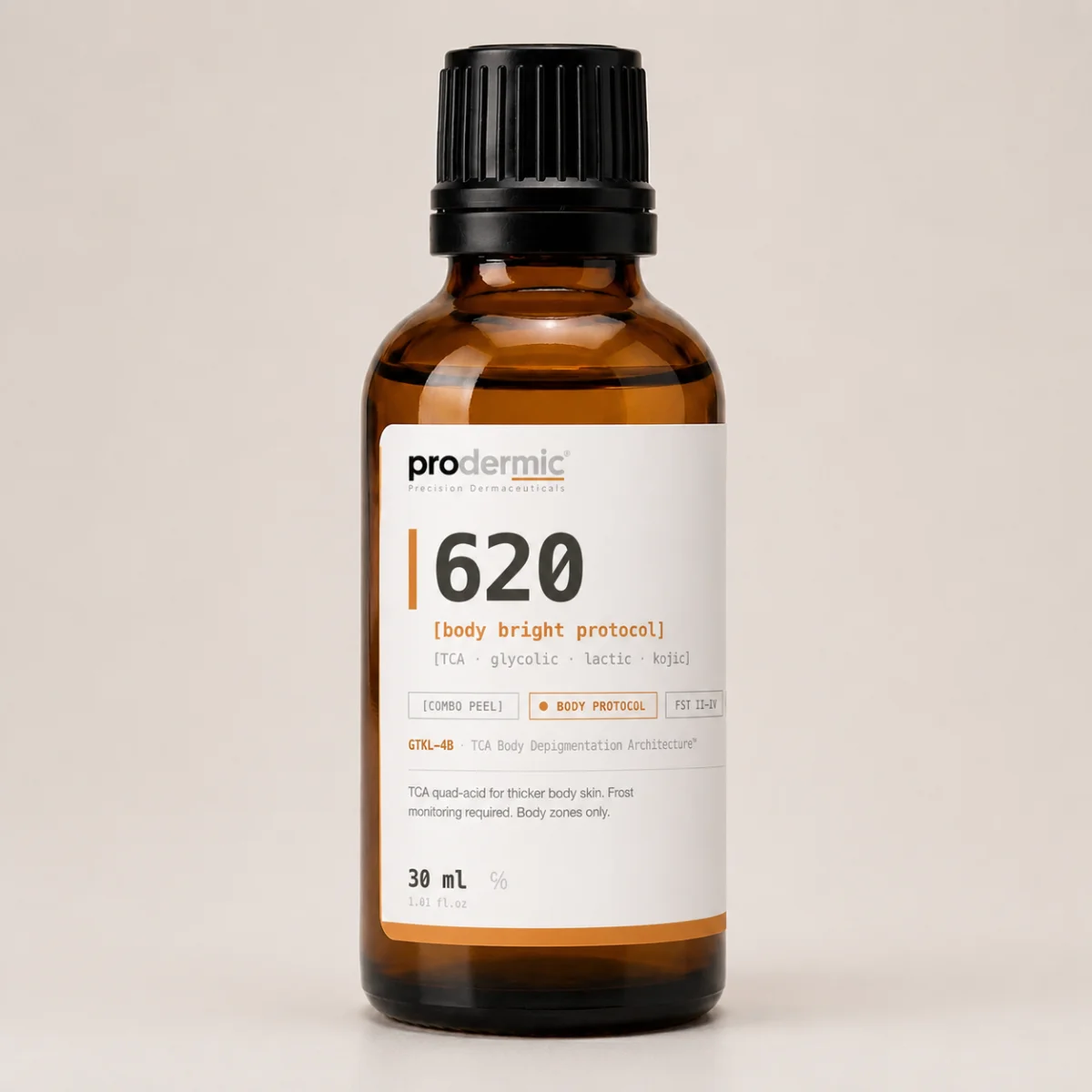
~7 sessions
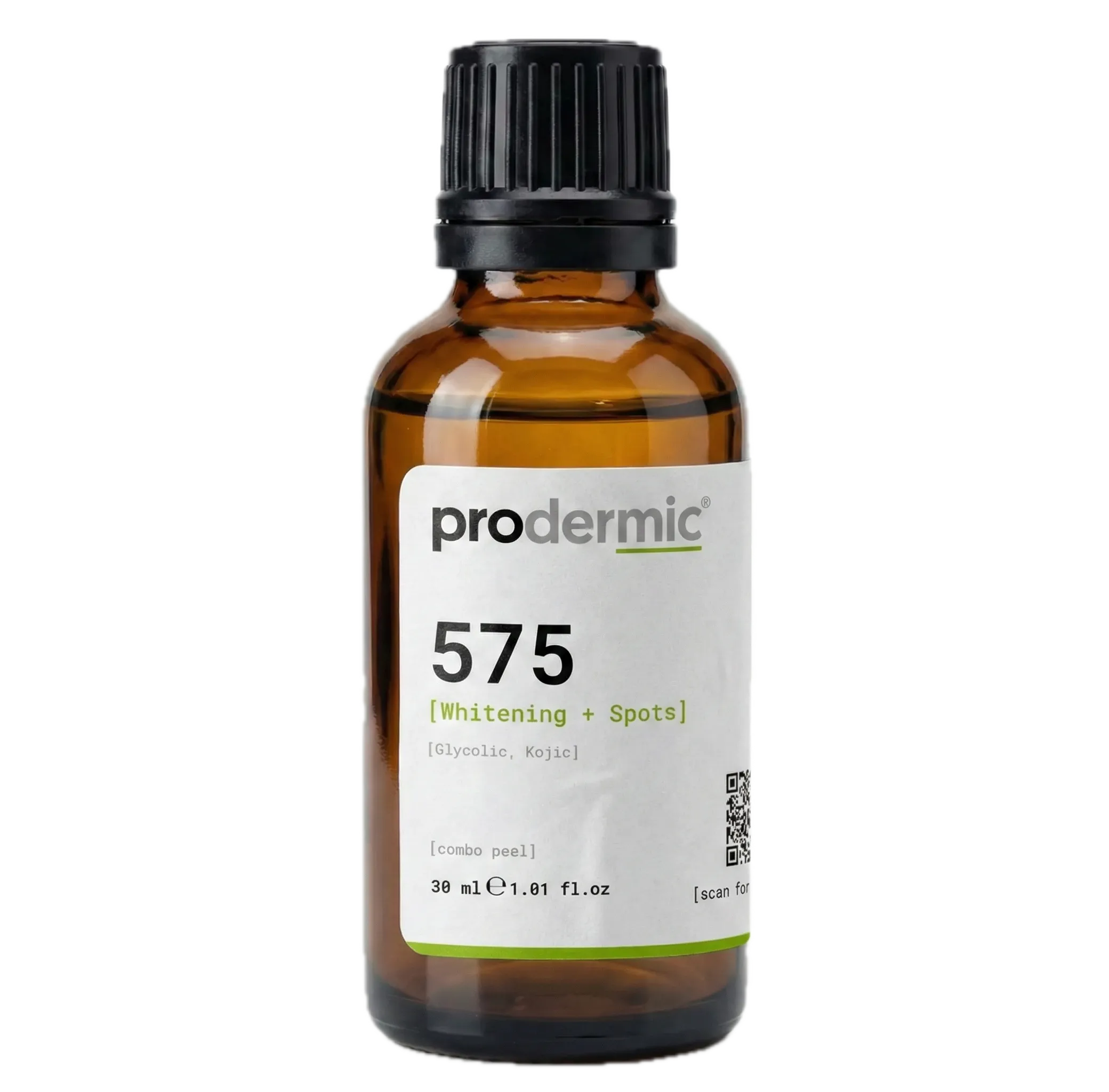
~24 sessions