


Pricing and Packaging Peel Programs: Single Sessions vs Series vs Memberships
Explore pricing peel programs effectively: Single sessions, series, or memberships. Maximize benefits for patients and practice.

Pricing and packaging peel programs effectively is crucial for dermatology practices looking to maximize both patient satisfaction and clinic revenue. Offering options like single sessions, series, and memberships allows practices to cater to diverse patient needs while enhancing their therapeutic offerings.
Superficial peels, ideal for all Fitzpatrick skin types including IV–VI, provide excellent treatment for conditions such as acne and photoaging. By adopting the right pricing strategy, practices can ensure these peels are accessible to a broader patient base.
Understanding Chemical Peels
Chemical peels involve applying exfoliating agents to induce a controlled dermal injury, prompting skin regeneration. The depth of the peel—superficial, medium, or deep—dictates its therapeutic reach and potential impact. Superficial peels focus on the epidermis, making them safe for Fitzpatrick IV–VI skin types despite potential pigmentation concerns.
Efficacy Overview
Superficial peels have shown significant efficacy in treating acne, melasma, and photoaging. A study involving 473 treatments reported a minor complication rate of 3.8%, with manageable adverse effects such as crusting and erythema, typically resolving within eight months (PubMed Study).
The peel's role in promoting collagen production and increasing dermal thickness further underscores its utility in aesthetic dermatology.
Mechanism of Action
Peels primarily operate by promoting exfoliation and the turnover of the dermal layer. Agents like glycolic acid decrease corneocyte adhesion, allowing for better exfoliation, while salicylic acid, being lipophilic, helps dissolve comedones typically seen in acne. Additionally, mandelic and lactic acids offer gentle exfoliation suitable for sensitive skin.
Mechanisms in Detail
Glycolic acid, an alpha hydroxy acid (AHA), accelerates desquamation by breaking down the bonds between dead skin cells, revitalizing the skin surface. Salicylic acid, a beta hydroxy acid (BHA), penetrates deeper due to its oil-soluble property, making it ideal for unclogging pores and managing oily, acne-prone skin. Mandelic acid, gentler than glycolic, penetrates slower, reducing irritation risk, making it apt for melasma and erythema.
Clinical Application
Selecting the appropriate chemical peel involves understanding the patient's skin type, treatment goals, and any underlying conditions. For instance, while glycolic acid effectively targets photoaging, salicylic acid excels in acne management due to its oil-soluble nature. Meanwhile, lactic acid, derived from milk, can brighten the skin, making it a favored choice for individuals with pigmentation concerns.
Application Techniques
Detailed patient assessment ensures precise peel selection and concentration. Skin must be thoroughly cleansed and prepped to ensure even application and maximal efficacy. The strength of the chosen agent must align with the patient's tolerance and the desired outcome, gradually increasing in strength with repeated sessions.
Pricing and Packaging Approaches
Single Sessions
Single-session peels suit patients seeking immediate results or those exploring chemical peels for the first time. While offering temporary improvements, they can address acute skin issues effectively.
- Technique: Carefully select peel strength based on initial consultation. A 20% salicylic peel might be ideal for acne-prone skin, whereas glycolic may benefit photoaging.
- Post-care: Emphasize the necessity of post-peel moisturizing and sunscreen use to prevent irritation and hyperpigmentation.
Single sessions can also serve as introductory experiences for patients considering further treatments, where the initial impact encourages them to pursue ongoing care.
Series Packages
Series packages maximize treatment outcomes by enhancing cumulative benefits. Typically, these involve multiple sessions, such as three treatments at 4–6-week intervals. This model is particularly effective for managing melasma with glycolic acid peels (PMC Study).
- Benefits: The series approach allows for incremental skin adaptation, minimizing adverse reactions while intensifying results.
- Pricing Strategy: Implement tiered discounts to encourage upfront commitment from patients. Offering a discount for booking a series can make treatments financially accessible and ensure patient retention.
- Technique: Progressively increase peel strength in well-tolerated patients to optimize results.
Nuances of Series Packages
Careful consideration of individual response and peeling cycles ensures that subsequent treatments are calibrated to achieve optimal depth and effect without provoking adverse reactions. Each session in a series builds upon the success of the last, allowing for progressive enhancement of skin texture and tone.
Memberships
Membership programs provide regular treatments, supporting sustained skincare benefits and fostering patient loyalty. This approach ensures continuous care for patients and a stable revenue stream for practices.
- Benefit to Patients: Regular treatments adapt to changing skin needs over time, providing preventive and corrective care.
- Revenue Maximization: Bundling peels with other skin health treatments can improve perceived value.
- Sample Membership Plan: Monthly peel sessions combined with quarterly high-intensity treatments like Jessner's Peels.
Membership models provide consistent engagement, increasing the lifetime value of a patient significantly. By offering comprehensive care packages, patients are more likely to see and appreciate the benefits.
Building Membership Models
Memberships not only bind patients to consistent treatments but also provide flexibility to adapt treatment intensity and type based on current skin status and seasonal needs, inviting a holistic approach to skincare.
Safety and Considerations for Skin of Color
When treating Fitzpatrick IV–VI skin types, the risk of pigmentary changes is heightened, necessitating cautious peel selection. Superficial peels with salicylic acid are generally safe, whereas medium and deep peels require heightened attention to safety protocols.
Protocol Considerations
- Pre-Treatment: Integrate broad-spectrum sun protection and a pre-peel regimen involving 2% hydroquinone to minimize hyperpigmentation risks. Incorporate retinoids for transformation without irritation.
- Treatment: Use thorough cleansing and degreasing techniques to promote even application and penetration.
- Post-Treatment: Maintain protection against sun exposure and monitor for adverse effects, guiding patients on adherence to post-care instructions.
For darker skin types, it's vital to educate patients on the importance of UV protection, as even minor negligence can lead to complications such as post-inflammatory hyperpigmentation.
- PrepEnsure sun protection and hydroquinone use for two weeks prior, incorporating gentle retinoids.
- ApplyCleanse and degrease the skin thoroughly before peel application, ensuring even distribution.
- PostAdvise on continued sun protection, use of moisturizers, and monitor for side effects like erythema.
Additional Safety Tips
During each session, observe skin reaction immediately post-application and adjust subsequent sessions based on tolerance and results. Incorporate patient feedback to finetune the regimen, addressing any discomfort promptly to enhance patient trust and satisfaction.
Enhancing Practice Revenue
Chemical peels represent a high-margin, low-capital component of a dermatology practice. Establishing a diversified pricing strategy with retention models like memberships can lead to sustained patient engagement and incremental revenue growth.
For practices targeting patient retention, integrated approaches such as offering Jessner's Peels or Salicylic Peels within membership models encourage ongoing skin health management and practice loyalty.
- ROI Strategy: Calculate per-session profit margins and adjust series and membership pricing accordingly. Understanding costs, time investment, and patient acquisition expenses allows for better financial planning.
- Case Studies: Evaluate case studies involving diversified approaches to better understand patient feedback and financial outcomes.
The use of data analytics tools to track patient outcomes and satisfaction can provide insights into improving service delivery and identifying potential revenue generation areas.
Advanced Revenue Strategies
Incorporating advanced analytics to personalize patient engagement can result in better compliance and outcomes, boosting retention rates. Developing a thorough understanding of local market needs and competitive pricing can additionally help tailor offerings to maximize appeal and uptake.
Frequently asked questions
What is the primary benefit of series packages over single sessions?
Series packages enhance cumulative results by allowing skin to progressively benefit from the treatments, improving overall outcomes due to systematic skin adaptation and controlled increase in peel concentrations.
Are chemical peels safe for darker skin types?
Superficial peels, such as salicylic acid ranging from 20-30%, are safe for Fitzpatrick IV–VI skin, though medium peels should be approached cautiously. Regular monitoring and patient compliance to post-treatment care are crucial.
How does a membership model benefit skincare clinics?
Memberships ensure consistent care for patients while creating a reliable revenue stream, promoting long-term skin health and clinic loyalty. This model also allows clinics to plan resources efficiently, as consistent appointments allow for predictable income.
What pre-treatment protocols are recommended for patients?
Incorporating a routine of sun protection and 2% hydroquinone two weeks prior to the treatment reduces the risk of post-inflammatory hyperpigmentation. Adding gentle exfoliants like lactic acid can prepare the skin for a peel and improve receptivity.
How can a practice maximize the financial benefit of chemical peels?
Strategically pricing peels and implementing retention strategies like memberships increases patient satisfaction and clinic revenue. Consider offering complementary consultations to tailor treatment plans and encourage upfront package purchases.
What long-term benefits do memberships offer?
Membership models foster a deeper practitioner-patient relationship, allowing for tailored skincare regimens that adapt over time, enhancing results and patient satisfaction.
How do different peel acids compare in their effectiveness?
Different acids have varying targets and benefits; glycolic peels are excellent for rejuvenation and texture improvement, salicylic for acne control, and mandelic for sensitive, pigment-prone skin (read more).
Further insights can be found in articles like Building a Chemical-Peel Service Line: Pricing, Margin, and Throughput for Indian Clinics and Cosmelan vs Dermamelan vs Chemical Peels.
For protocols, visit 575 - Yellow Peel (Leave-On).
By effectively leveraging various peel program models, dermatology practices can optimize both patient outcomes and economic returns through strategic pricing and comprehensive care plans.
Successful implementation requires understanding patient demographics, tailoring marketing efforts, and continuously evaluating the efficacy of these programs to ensure alignment with both clinical and business goals.
<AtAGlance> - Custom Programs: Engage patients with personalized packages. - Data Utilization: Leverage patient data to enhance engagement strategies. - Ongoing Assessment: Regularly evaluate pricing models. </AtAGlance>
References
Related Protocols
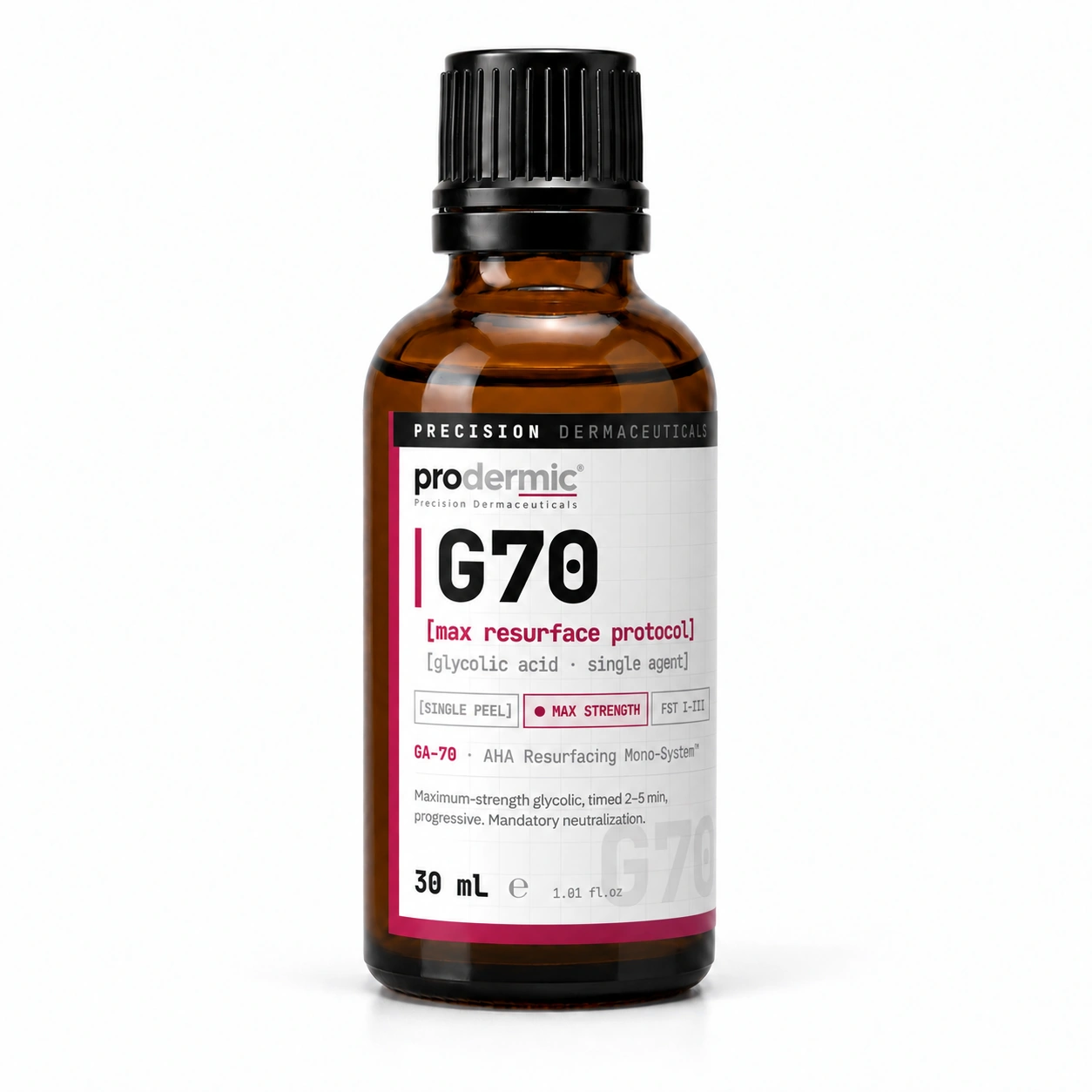
~20 sessions
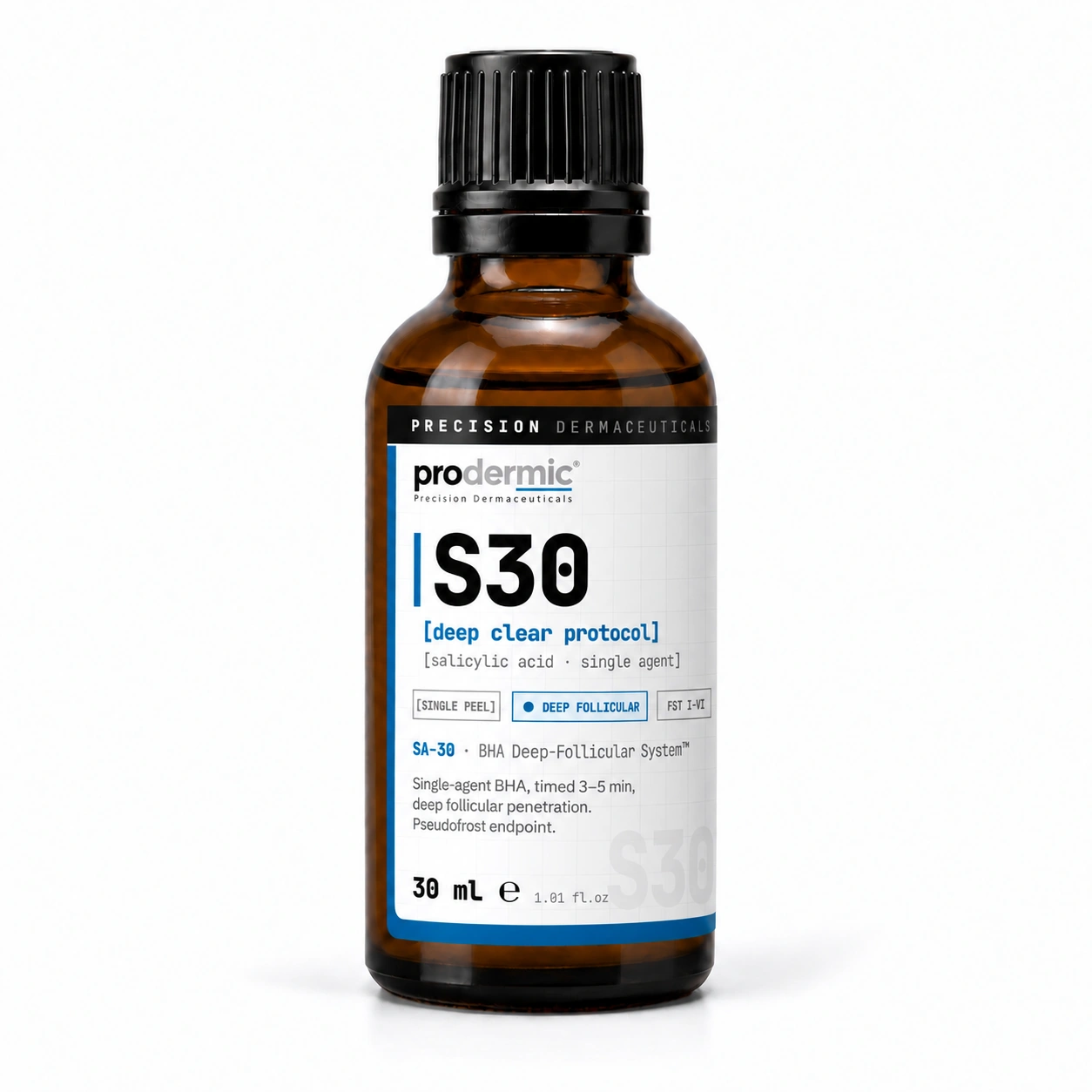
~11 sessions

~20 sessions