


Skin-of-Color Considerations: Setting Pigment Expectations Before Chemical Peels
Understand pigment expectations for skin of color before chemical peels, focusing on Fitzpatrick IV–VI types.

Chemical peels are a transformative tool in dermatology, especially for patients seeking improvement in skin texture and tone. However, for individuals with Fitzpatrick Skin Types IV to VI, particularly those of Indian descent, tailoring peels to specific skin needs is crucial. This guide explores how to set realistic pigment expectations before performing chemical peels on skin of color, thereby optimizing results and minimizing complications.
Patients with skin of color, commonly classified as Fitzpatrick types IV through VI, face unique challenges when undergoing cosmetic procedures. These challenges mainly arise from an increased risk of pigmentary changes such as post-inflammatory hyperpigmentation (PIH) and scarring. Recognizing cultural and physiological differences ensures that treatment plans are both safe and effective.
Understanding the Mechanism of Chemical Peels
Chemical peels work by applying an acidic solution to the skin, producing controlled exfoliation. This process stimulates skin cell regeneration, collagen production, and the reduction of hyperpigmentation. Peels can be categorized based on their depth: superficial, medium, and deep.
- Superficial Peels: Use mild acids like salicylic or glycolic acids to gently exfoliate the epidermis. These peels are ideal for color skin types due to their favorable safety profile. Superficial peels primarily affect the stratum corneum and can lead to improvements in texture and tone without affecting deeper skin layers.
- Medium-Depth Peels: Involve stronger acids like TCA (Trichloroacetic Acid). These require careful application and thorough patient education due to a higher risk of PIH. They penetrate the dermis and are often used for more significant photoaging or pigmentary issues.
Superficial peels are recommended for darker skin tones due to their safety profile with less risk of inducing PIH. The regenerative process also boosts fibroblast activity, enhancing skin firmness and elasticity, an added benefit that is often attractive to patients.
Cultural and Counseling Considerations
Assessing Patient History
Before proceeding with a chemical peel, it's imperative to assess the patient thoroughly. A detailed history should include previous responses to cosmetic treatments, any history of PIH, and cultural background considerations. Patients from various cultural backgrounds may have different aesthetic preferences, and being sensitive to these can improve patient satisfaction.
Setting Realistic Expectations
- Discuss potential risks of pigmentation changes and explain that these effects can vary significantly among individuals.
- Inform about the possibility of gradual improvements over multiple sessions. Typically, it may take several months to see significant changes, depending on the skin condition and type of peel used.
- Acknowledge common goals and concerns among skin-of-color patients, such as a desire to maintain their natural complexion while addressing specific concerns like acne scars or uneven skin tone.
Such discussions build trust and help manage expectations. This level of transparency can also minimize legal risks associated with treatment dissatisfaction.
Selecting the Right Chemical Agent
Preferred Agents for Skin of Color
-
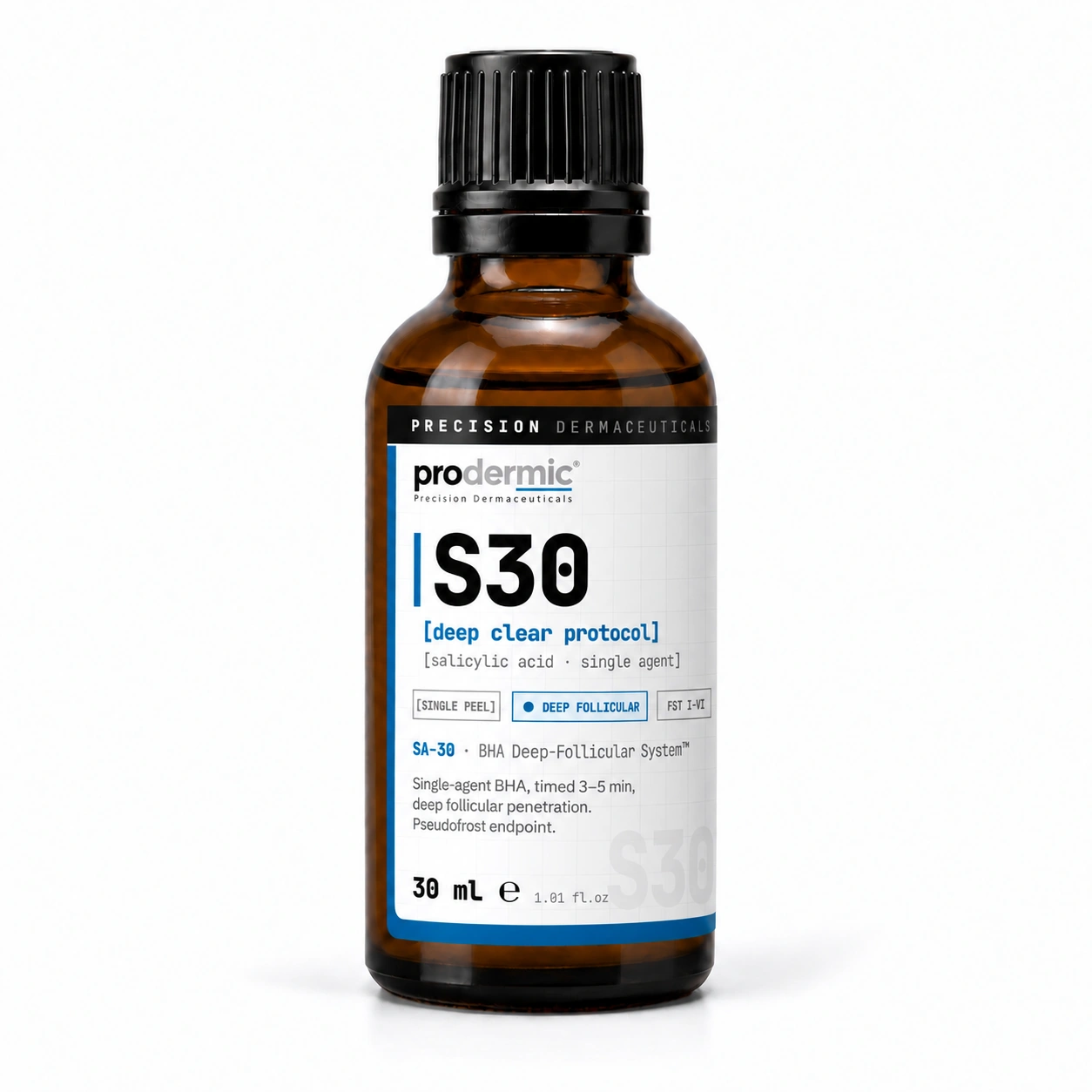
Salicylic Acid: Offers keratolytic properties and is effective in treating acne and breaking down hyperpigmentation. It additionally provides anti-inflammatory benefits, making it suitable for acne-prone skin. Explore the protocol
-
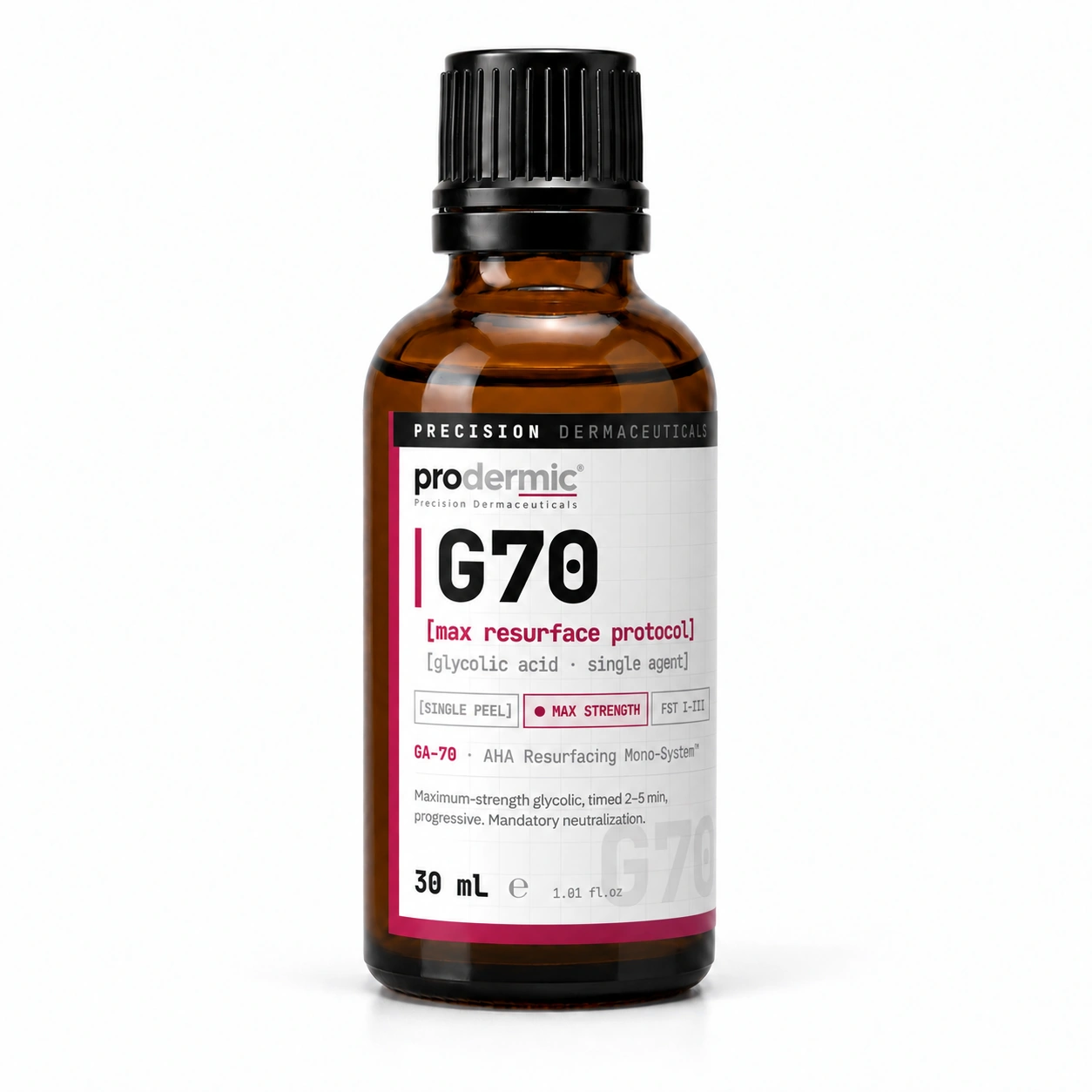
Glycolic Acid: Promotes shedding of dead skin cells, enhancing skin radiance. Its small molecular size enables deeper penetration, facilitating more significant results over time. Careful concentration adjustment for ethnic skin is vital. Learn more
-
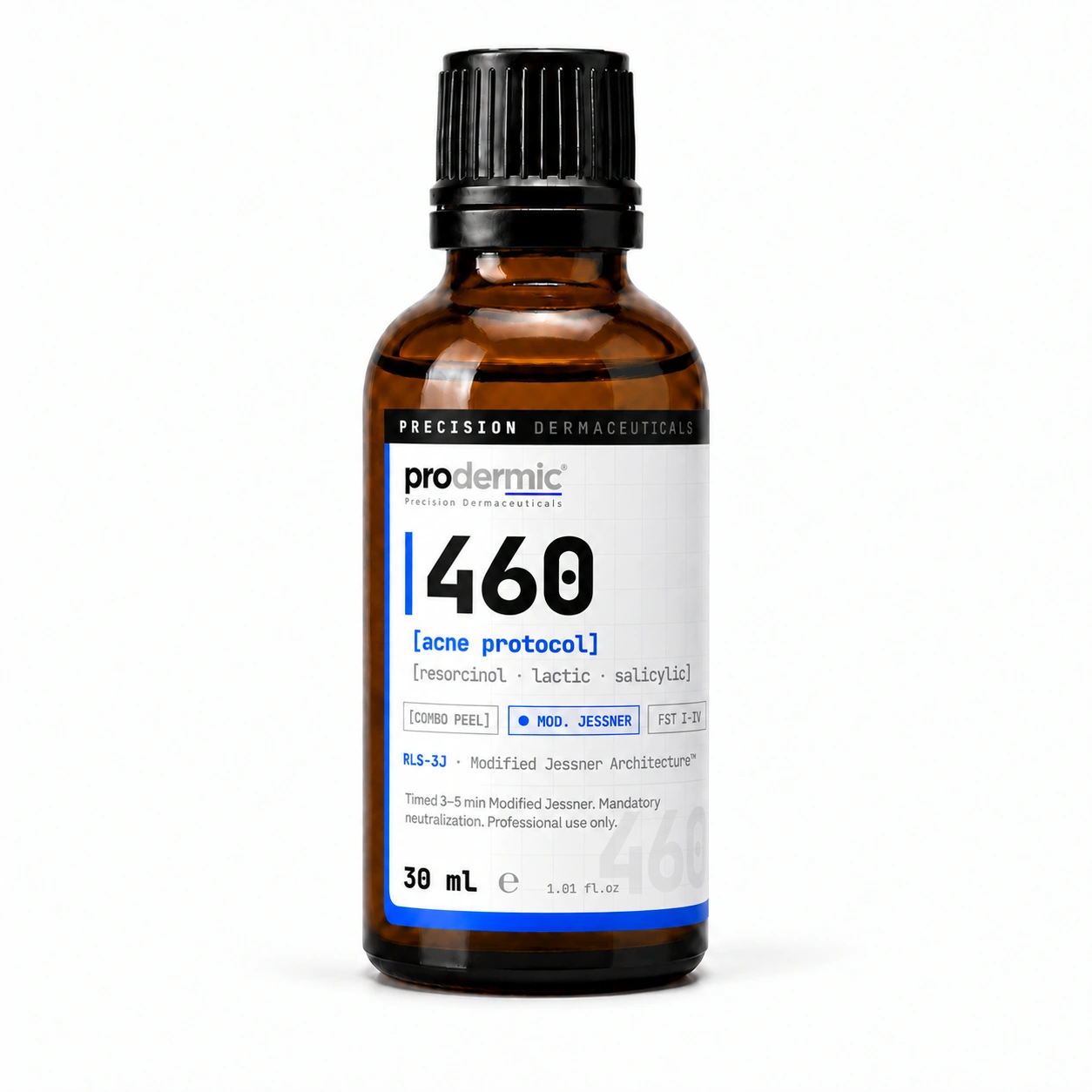
Jessner's Solution: A combination of salicylic acid, lactic acid, and resorcinol, it addresses multiple skin issues including melasma and acne. It's a versatile option but must be applied cautiously due to resorcinol's potential for causing irritation. Jessner's peel details
Avoiding Excessive Depth
Medium-depth peels, such as those involving TCA, can increase PIH risk and should be approached with caution in skin-of-color patients. They also require more meticulous post-care. More on 70% Glycolic Acid Peel. Alternatives can include layering of lighter peels to achieve incremental results safely.
Mitigating Risks and Enhancing Safety
Pre-treatment Protocols
- Topical Agents: Use of tyrosinase inhibitors like hydroquinone or retinoids can prep melanocytes, reducing pigmentation variances. Pre-treatment protocols might last several weeks to ensure the melanocytes are stabilized.
- Patch Testing: Conduct a patch test to assess skin response and adjust treatment parameters accordingly. This can prevent unexpected reactions and guide treatment intensity.
During Treatment
- Begin with lower acid concentrations, gradually increasing as the patient’s tolerance improves.
- Ensure proper application techniques, such as using gauze or brushes specifically designed for chemical peel distribution to avoid uneven distribution which might lead to adverse effects. Consider applying cooling methods immediately post-peel to reduce discomfort.
Post-Treatment Care
- Emphasize rigorous sun protection with broad-spectrum physical sunscreens and a gentle skincare routine. This helps in maintaining the integrity of the newly exposed skin layers and prevents exacerbation of pigmentation.
- Regular follow-ups to monitor healing and prevent PIH. Encourage patients to report any early signs of PIH for prompt management. Incorporate antioxidants to fight free radicals that may contribute to PIH.
Practical Protocol Notes
- PrepEnsure comprehensive skin assessment and pre-treatment counseling to identify any contraindications and establish a tailored treatment protocol.
- ApplySelect superficial agents carefully tailored to the patient's Fitzpatrick type, and use consistent application methods to ensure even results.
Dosing and Technique Specifics
Concentration Adjustments
- Glycolic Acid: Typically starts at a concentration of 20-30% for superficial peels in skin of color, with cautious escalation to avoid PIH. Pre-treatment skin conditioning with glycolic acid homecare can help ameliorate risks.
- Salicylic Acid: Usually administered at 20-30% concentrations, ensuring application is uniform to prevent hot spots that could intensify irritation.
Application Methods
- Brushes vs. Gauze: Employing brushes for even application and gauze for more precision in sensitive areas can optimize results. Rotating application may be useful for areas like the T-zone where oil accumulation is more common.
Expanded FAQ
What precautions should be taken for peel application on skin of color?
Start with superficial peels and begin with lower concentrations, carefully monitoring skin reactions through each session. Avoid aggressive exfoliation and physical treatments between sessions. Implementing a cooling phase post-application can help mitigate discomfort and immediate post-application erythema.
How long does it take to see results from peels?
Visible results may appear after the second or third session, spaced 4–6 weeks apart, but optimal outcomes typically require multiple treatments over several months. Regular monitoring and adjusting the strategy can enhance results and mitigate side effects. Continuously adapting the protocol based on patient response ensures both safety and satisfaction.
Can peels be combined with other treatments?
Yes, they can be combined with topical agents like retinoids or vitamin C, but care must be taken to prevent potential irritations. Consultation with dermatology experts can help optimize combination therapy. Consideration of the patient’s existing skincare regimen is crucial in avoiding adverse reactions. Peels can complement laser treatments if appropriately spaced to avoid overwhelming skin stimuli.
How should PIH be addressed if it occurs?
Immediate application of lightening agents and increased moisturizing support can manage mild PIH. For persistent cases, additional interventions such as IPL may be considered. Regular monitoring and patient education on signs of PIH can lead to early intervention and better outcomes. Addressing inflammation quickly with anti-inflammatories can also limit PIH progression.
Who should avoid chemical peels?
Individuals with active skin infections, open wounds, or severe atopic dermatitis should avoid peels until advised by a specialist. Additionally, pregnant or breastfeeding women should consult with their healthcare providers before treatment. Those with a history of keloid formation may also require careful evaluation before proceeding. Patients using isotretinoin should be treated with caution, often requiring a rest period from the medication before peels.
For a deeper dive into specific protocols like Melasmonil Peel and Jessner's Peel, check our protocols section.
By comprehensively understanding the dynamics of skin-of-color treatments in dermatology, practitioners can deliver results that satisfy aesthetic desires while maintaining the integrity and health of ethnic skin, fostering patient confidence and trust.
References
Related Protocols
~24 sessions
~11 sessions
~20 sessions