Salicylic Acid Peels for Oily, Acne-Prone Indian Skin: Concentration, Frequency, and Endpoints
Explore salicylic acid peels for oily, acne-prone Indian skin, focusing on concentration, frequency, and safety for Fitzpatrick IV-VI.
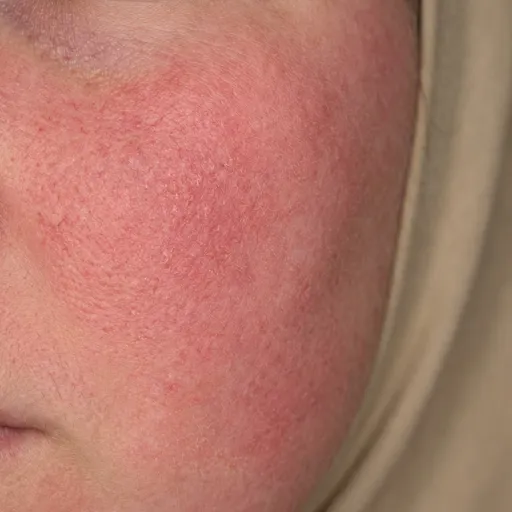
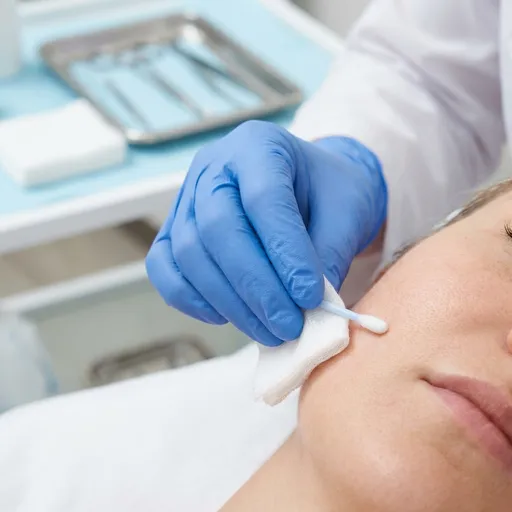
Salicylic acid peels are an effective treatment option for oily, acne-prone skin, particularly in individuals with Fitzpatrick IV-VI skin types. These peels utilize the desmolytic properties of salicylic acid to exfoliate the stratum corneum, reduce acne lesions, and minimize post-inflammatory hyperpigmentation risks.
Understanding the specific needs of Indian skin is critical to maximizing the benefits of salicylic acid peels. Its lipophilic nature allows it to penetrate oily skin, making it suitable for acne treatment while minimizing hyperpigmentation risks.
Mechanism of Action
Salicylic acid, a β-hydroxy acid, penetrates the skin's sebaceous glands, promoting desquamation and comedone breakdown. It effectively loosens corneocytes through desmolytic activity, resulting in a smoother, less congested epidermis. The lipophilic nature means it is adept at working in oily environments, making it particularly advantageous for targeting clogged pores and comedones.
Explore the Glutathione Peel for additional benefits in pigmentation management.
The desmolytic activity operates by disrupting the keratin filaments holding the corneocytes together, thus enabling exfoliation. Salicylic acid also possesses anti-inflammatory properties, providing a dual benefit in inflammatory acne conditions by reducing redness and swelling.
Cellular Impact
On a cellular level, salicylic acid decreases inflammation by inhibiting lipoxygenase, reducing the production of pro-inflammatory mediators. This action is crucial in treating inflamed acne and mitigating potential irritation during the peel. Importantly, it also encourages cell turnover, which is beneficial in managing both active acne and the post-acne scarring process.
Clinical Evidence
Studies consistently demonstrate that 20-30% salicylic acid peels significantly reduce both inflammatory and non-inflammatory acne lesions.
Clinical Trial Insights: Trials evaluating Indian and darker phototypes show a reduction in lesion count and improved skin texture with minimal inflammation and low PIH occurrences, contrasting notably with more potent acids like glycolic acid.
The beneficial impact over repetitive sessions is compounded by increased collagen deposition and smoother skin texture, which are crucial for patients suffering from acne scars. Salicylic acid peels also show improvement in skin brightness and reduction in overall oiliness.
Long-Term Efficacy
Long-term studies highlight the reduced recurrence of acne lesions, suggesting that periodic maintenance peels can keep acne under control and diminish new flare-ups, making it a sustainable treatment option for chronic acne sufferers.
Comparative Options
Salicylic acid is preferable for oily, acne-prone skin over glycolic acid, given its deeper penetration and reduced PIH risk. Glycolic acid, an alpha-hydroxy acid, is more hydrophilic, thus not as proficient in penetrating sebum-rich, oily skin. This distinction is pivotal for Fitzpatrick IV-VI skin types, where hyperpigmentation is a common concern.
Consider the Melasmonil Peel for additional pigmentation concerns.
For clinicians, understanding the differences between Glycolic vs Salicylic vs Mandelic for the Acne Patient: Choosing the Acid by Skin Type and Lesion Type can enhance treatment plans for various skin concerns, optimizing outcomes based on individual skin characteristics.
The Broader Spectrum
Considering other options like Cosmelan vs Dermamelan vs Chemical Peels: A Clinician's Comparison for Melasma, salicylic acid stands out for its targeted action on acne, while melasma may benefit from broader-spectrum treatments.
Safety Measures
Performing superficial peels like salicylic acid on darker skin requires a nuanced approach. Pre-treatment consultation should address realistic expectations and potential outcomes. Being transparent allows for informed decision-making and reduces anxiety about the peeling process.
Pre-Procedure Protocols
- Skin Priming: Patients should use depigmenting agents like hydroquinone or arbutin 1-2 weeks prior, to enhance homogeneity of peeling and minimize PIH.
- Hydration and Barrier Enhancement: Maintenance of skin hydration using humectants like hyaluronic acid ensures a plump, responsive canvas for peel application.
- Sun Protection: Continuing broad-spectrum sunscreen reduces UV exposure risks, protecting against new PIH.
- Product Rotations: Advising patients to pause retinoid or exfoliant use for a week pre-procedure enhances results and reduces irritation risk.
A consideration of these preparatory steps ensures that the skin is primed properly, fostering better outcomes and reducing the potential for adverse reactions.
Protocol Overview
Concentration
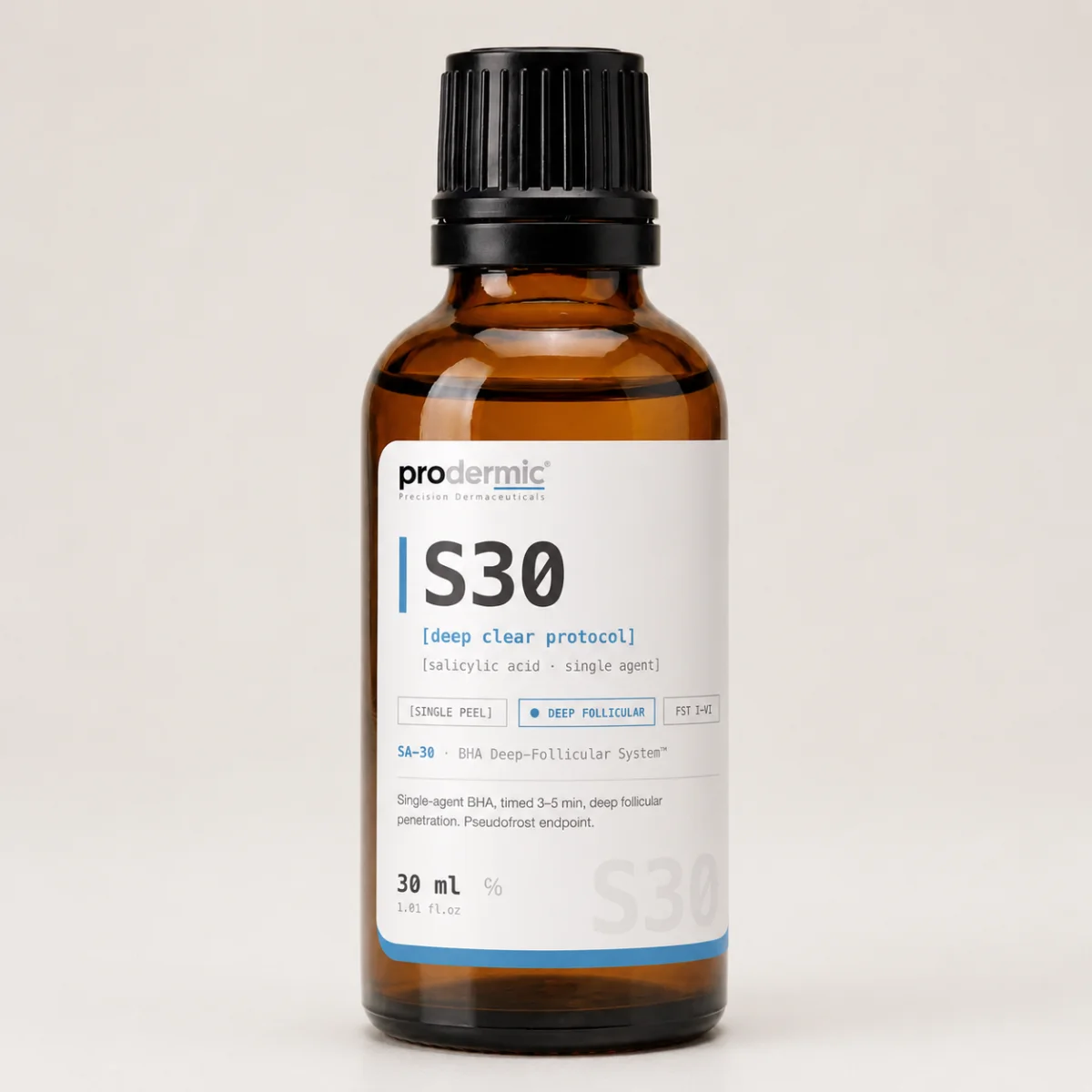
Utilize 20-30% salicylic acid solutions for effective yet safe epidermal penetration. Concentrations should match patient tolerance and specific skin conditions, adjusted per individual requirements to prevent irritation or damage. Progressive increases in concentration can be introduced based on patient response to enhance treatment efficacy.
Frequency
The standard recommendation is to perform a peel every 2-4 weeks. However, individual response varies, requiring assessment. Peels can be spaced more frequently in cases of severe acne but should always prioritize skin recovery.
Patient adherence to prescribed intervals is crucial; too frequent treatments may lead to irritation, while excessive delays could diminish cumulative benefits.
Endpoints
During application, observe for uniform frosting as an endpoint of the peel, which indicates effective penetration. Ready for neutralization when frosting persists without extensive erythema, a clear sign of sufficient desquamation.
Observing these visual cues helps ensure optimal results, maximizing benefits while controlling risk.
Pre- and Post-Treatment Care
- PrepAdvise pre-treatment skin prep with broad-spectrum sunscreen and possibly a depigmenting agent. Discuss dietary habits and skincare routines that could affect outcomes. Educate on the avoidance of exfoliants and retinoids before the procedure.
- PostEmphasize the importance of gentle skincare and sun protection during the healing period to minimize complications and enhance results. Recommend products with soothing agents like aloe vera and antioxidants to aid recovery.
- Moisturization: Post-peel skincare should focus on replenishing moisture with ceramide-based moisturizers to support skin healing.
- Avoidance of Actives: Products containing active ingredients like vitamin C or retinoids should be avoided for a week post-peel to prevent irritation.
- Continued Photo-Protection: Consistent use of SPF ensures that newly rejuvenated skin is protected from UV damage, preventing the reoccurrence of pigmentation issues.
Potential Clinical Applications
This peel is especially effective for treating comedonal and inflammatory acne. It offers clinicians a reliable option for managing conditions that are otherwise exacerbated by traditional acne treatments Acne in Skin of Color: Why Standard Acne Protocols Backfire on Fitzpatrick IV-VI.
Broader Indications: Besides acne, salicylic acid peels may improve seborrheic dermatitis and psoriasis, which also benefit from the acid's ability to reduce scale formation and sebaceous hyperactivity.
For practitioners, exploring the Cosmetic Procedures in Skin of Color: A Risk-Stratification Guide for Aesthetic Practitioners can help understand the interactions of salicylic peels with other cosmetic options.
FAQs
How does salicylic acid help in acne management?
Salicylic acid's comedolytic and desmolytic properties help exfoliate skin and remove pore blockages, effectively managing acne. Its ability to reduce oil production further aids in preventing future breakouts.
Is salicylic acid peel safe for Fitzpatrick IV-VI skin types?
Yes, but with precautions. Its lipophilicity allows it to penetrate deeply with a lower risk of PIH compared to other agents. A patch test may be conducted for sensitive individuals to ascertain tolerance.
What should patients use pre- and post-peel?
Patients should use a broad-spectrum sunscreen and possibly a depigmenting agent before the peel and continue with gentle skincare post-peel. Avoidance of sun exposure is crucial for optimal results.
Can salicylic acid peels be combined with other treatments?
Salicylic acid peels can be part of a comprehensive acne treatment regimen. They work well in combination with oral antibiotics or spironolactone for severe cases. Piloting the sequence of treatments can maximize outcomes while ensuring safety.
Combination Strategies: For severe acne, consider integrating peels with light therapies or systemic treatments to intensify results.
What signs indicate a negative reaction?
Excessive redness, irritation, or unexpected pigmentation changes signal potential adverse reactions. These should be promptly addressed with anti-inflammatory care or dermatological consultation.
Recent Advances: Research into combining salicylic acid peels with new methods like dermal rolling shows promise in enhancing penetration and outcome.
For integrating salicylic peels into your clinic, refer to resources such as Building a Chemical-Peel Service Line: Pricing, Margin, and Throughput for Indian Clinics to optimize your services.
Explore more protocols like the Glycolic vs Salicylic vs Mandelic for the Acne Patient: Choosing the Acid by Skin Type and Lesion Type to enhance treatment plans for various skin concerns.
With proper administration and follow-up, salicylic acid peels offer a robust option for acne treatment, particularly in populations with greater pigmentation challenges, highlighting its versatility and efficacy.
References
Related Protocols
~11 sessions
~75 sessions
~45 sessions