


Microneedling vs Chemical Peel for Atrophic Acne Scars: A Decision Framework
Compare microneedling and chemical peels for atrophic acne scars. Evidence-based choice for Fitzpatrick IV–VI skin types.

When it comes to treating atrophic acne scars, both microneedling and chemical peels present viable options for dermatologists. Each has its own mechanism of action and varying effectiveness, especially in patients with darker skin types (Fitzpatrick IV-VI). Selecting the appropriate treatment involves understanding these differences and tailoring approaches to individual patient needs.
Microneedling involves using fine needles to create micro-injuries in the skin, which stimulate collagen and elastin production, enhancing dermal remodeling. On the other hand, chemical peels utilize agents like glycolic acid or trichloroacetic acid to exfoliate the epidermis, promoting skin regeneration and improving texture.
A systematic review found no significant difference between the two treatments in achieving significant improvement in atrophic acne scars. However, microneedling showed a higher likelihood of achieving any improvement. In darker skin types, microneedling is generally safer, with a lower risk of post-inflammatory hyperpigmentation (PIH).
Mechanisms of Action
Microneedling
Microneedling uses fine needles to induce micro-injuries in the skin, triggering the body’s natural wound-healing process. This procedure stimulates growth factors that rapidly initiate collagen and elastin synthesis, which are crucial for dermal remodeling and the improvement of acne scars. The depth of needle penetration can be adjusted to target specific layers of the skin, allowing for greater customization based on the patient’s needs and scar severity.
In more technical terms, microneedling creates channels that set off a cascade of inflammatory healing responses, leading to neovascularization and neocollagenesis. These physiological processes collectively improve scar texture, skin thickness, and elasticity. The device used, be it a manual roller or an automated pen, impacts the precision and depth control, affecting outcomes.
It is vital to select appropriate needle lengths, typically ranging from 0.5 mm for shallow imperfections to 2.5 mm for deeper scars, ensuring minimized risk of adverse effects.
Chemical Peels
Chemical peels involve applying a chemical solution of varying potency to exfoliate the skin, causing controlled injury to the skin’s surface. The exfoliation promotes cell turnover, resulting in smoother, regenerated skin. The type of acid used—such as glycolic, lactic, or trichloroacetic acid—determines the depth of the peel. Superficial peels primarily affect the epidermis, whereas medium to deep peels impact deeper skin layers.
Chemical agents, by dissolving the bonds between dead skin cells, allow for desquamation and subsequent regeneration of skin layers. Glycolic acid, an alpha hydroxy acid (AHA), is often favored for its mild nature and derived benefits in cellular exfoliation. Trichloroacetic acid (TCA), in varying concentrations, penetrates deeper, thus being more effective for deeper scars but carries a higher risk of adverse effects in darker skin.
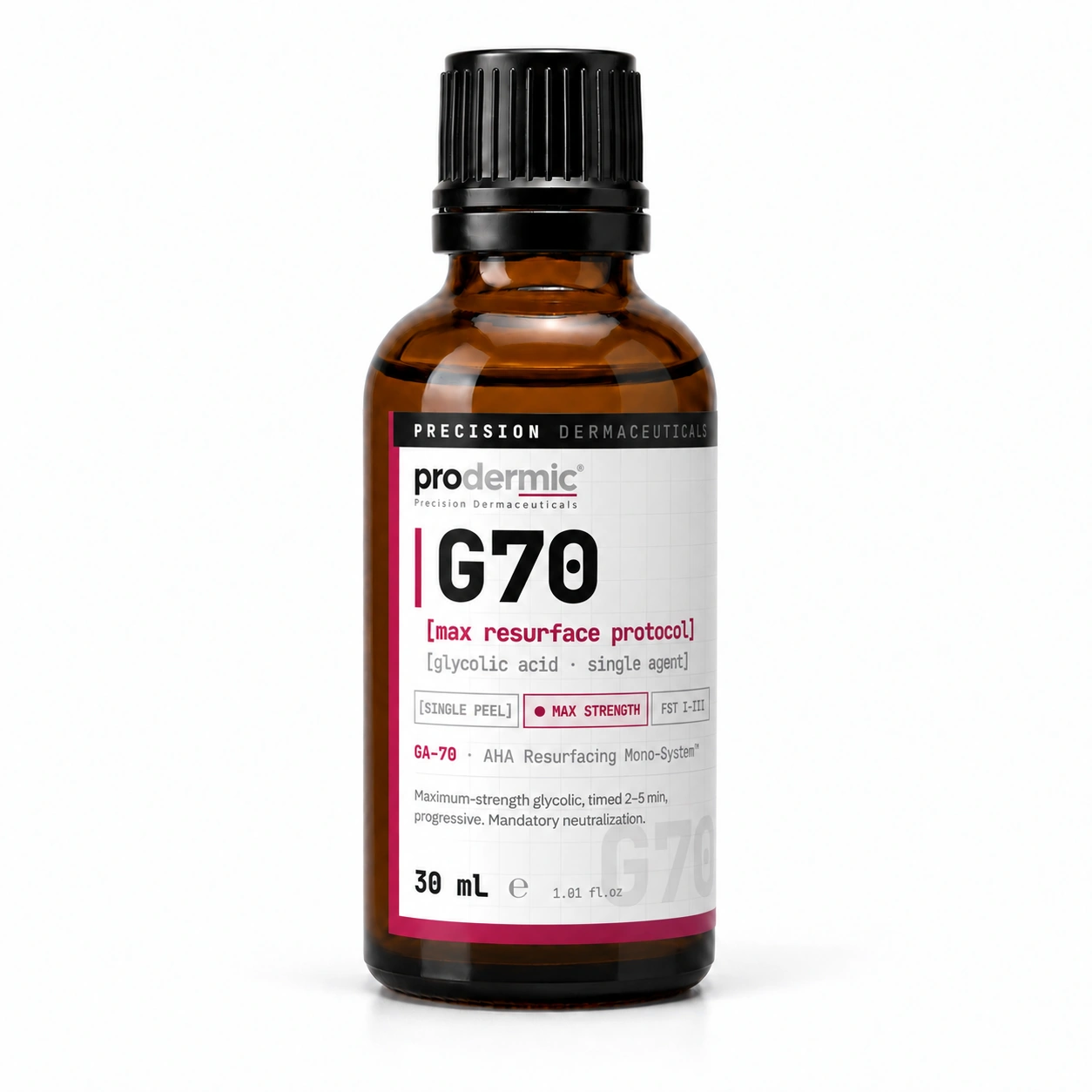
Choosing the appropriate peel concentration is essential. For instance, a 20% glycolic acid peel can be ideal for beginners, allowing gradual adaptation, while a 40% concentration is more suited to significant dermal damage.
Explore protocols like the Melasmonil Peel for targeted outcomes.
Clinical Evidence and Efficacy
A comprehensive meta-analysis involving 713 participants showed comparable results between microneedling and chemical peels for acne scar treatment, though microneedling had a slightly higher probability of obtaining any scar improvement. For patients with Fitzpatrick IV–VI skin types, microneedling displayed a more prominent improvement, with over 73% achieving at least a two-point enhancement on the Goodman and Baron Scarring Grading System, compared to 33% for chemical peels. This suggests a tendency for microneedling to be marginally more effective in scar amelioration for darker skin types.
For further insights into enhancing clinical outcomes for darker skin types, see Acne in Skin of Color: Why Standard Acne Protocols Backfire on Fitzpatrick IV-VI.
Sub-Analysis of Scar Types
Different scar types, such as boxcar, rolling, and ice pick scars, respond variably to these treatments. Microneedling shows pronounced effects on rolling scars due to its collagen-inducing capabilities, while chemical peels can be more effective on surface irregularities associated with boxcar scars.
Clinical trials have highlighted that a series of 3-6 sessions of microneedling can significantly raise collagen levels, providing more substantial improvements in the long term compared to singular deep chemical peel sessions.
Safety and Risks
Microneedling
Microneedling is increasingly recognized for its safety profile in darker skin tones, offering a lower risk of PIH. This makes it a favored option for individuals with Fitzpatrick IV–VI skin types. Minimal downtime and a low risk of significant adverse events make microneedling appealing. The procedure is often well-tolerated, requiring numbing cream for pain management.
The risk of infection or scarring is minimal when proper technique, sterilization, and post-procedural care are observed. Microneedling avoids targeting melanin directly, reducing the risks often carried by laser therapies or deeper chemical peels.
Pain management involves applying topical anesthesia 30-45 minutes prior, ensuring patient comfort. Proper sterilization practices, including using disposable needle tips, limit cross-contamination risks.
Chemical Peels
While effective, chemical peels, especially medium to deep ones, carry a higher risk of PIH, especially in individuals with darker skin. Superficial peels are safer but may require multiple sessions to achieve desired results. Correct peel choice and concentration are pivotal in minimizing risks. Pre-treatment with skin-lightening agents like hydroquinone can reduce the likelihood of PIH.
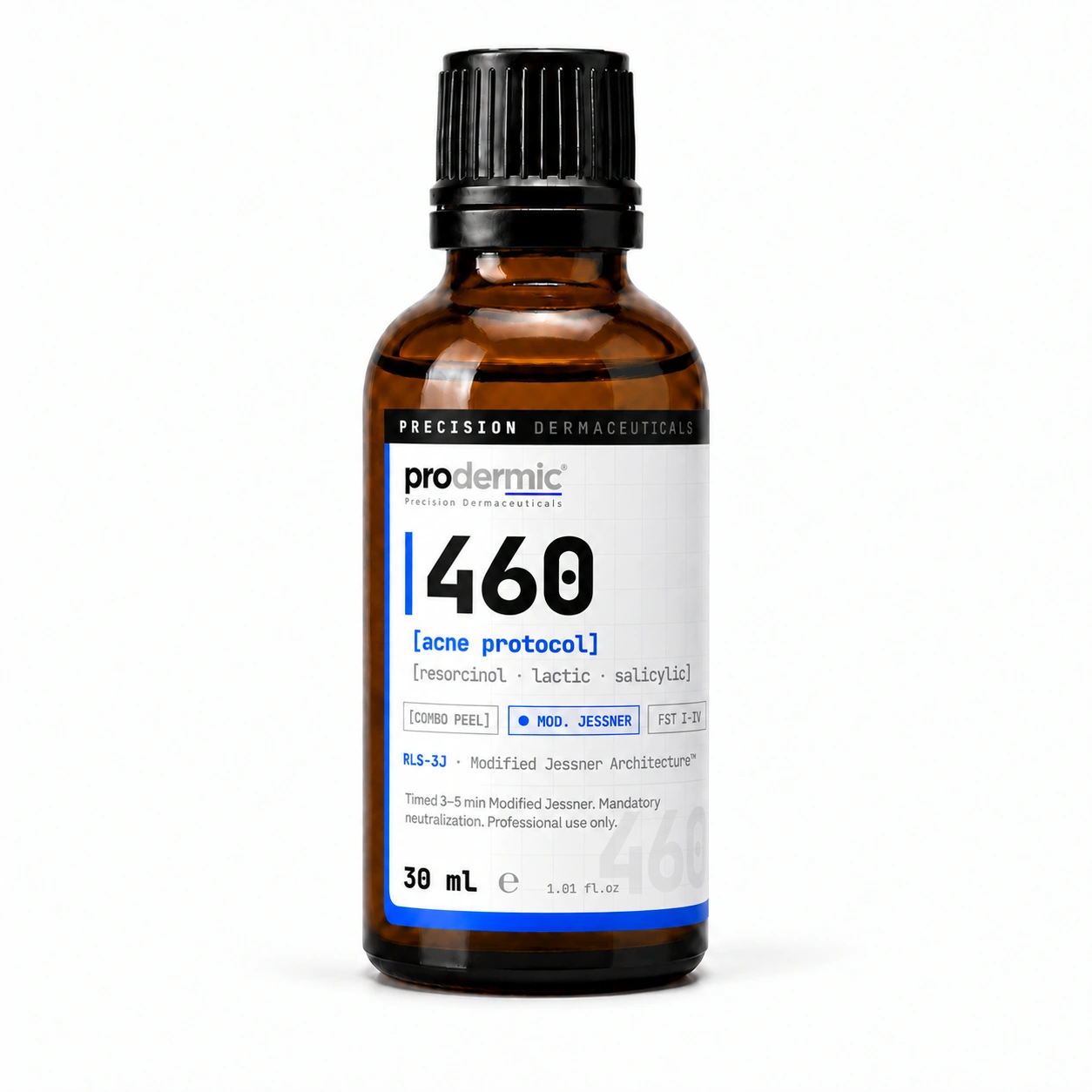
Explore protocols like the Jessner's Peel which might be safer for such skin types.
For experienced practitioners, controlling application time and neutralization is crucial to preempt complications such as burns or uneven pigmentation.
Combining Therapies
Recent studies suggest that combining microneedling with chemical peels could offer superior results than using either technique alone. This synergy seems to significantly enhance outcomes by integrating both dermal stimulation and epidermal renewal. Patients often report improved texture and a more dramatic reduction in scar depth with combination therapy. Protocols that utilize alternating or concurrent treatments can also address other skin concerns such as hyperpigmentation and uneven skin tone.
Clinicians considering combination therapies often follow microneedling sessions with superficial peels, providing optimal penetration of actives into newly prepared skin surfaces. Careful planning of the intervals between sessions helps maximize healing and results.
For instance, alternating microneedling with a superficial glycolic peel every three months can enhance vascularity and pigment balance.
For additional reading on combination therapies, check Building a Chemical-Peel Service Line: Pricing, Margin, and Throughput for Indian Clinics.
Protocol Recommendations
Microneedling
- Frequency: Treatments are recommended every 2–4 weeks, totaling 3–6 sessions tailored to the patient’s skin condition and response.
- Aftercare: Strict aftercare includes the use of sunscreens and avoiding harsh skincare products to support healing.
- Technique specific: Using different needle depths and patterns can target various scar types more effectively.
Additional considerations include employing dermal rollers versus automated pen devices, with the latter offering precision and depth control, reducing user variability.
Chemical Peels
- Frequency and Depth: Depends on the agent used; superficial peels can be repeated every 2–4 weeks, while medium-depth peels require 4–6 weeks for recovery.
- Pre-treatment: Using skin-lightening agents may decrease PIH risk.
- Technique specific: Uniform application without overlapping avoids uneven results and skin burns.
Clinical observations reveal that patient education on post-peel care substantially affects satisfaction rates and adverse event incidence. Specific protocols like Glycolic vs Salicylic vs Mandelic for the Acne Patient provide additional insights.
Frequently asked questions
How does microneedling compare to chemical peels?
Both treatments are effective in scar reduction, but microneedling may offer slightly better overall improvement rates, particularly in darker skin tones.
Is microneedling safe for darker skin tones?
Yes, it carries a lower risk of PIH compared to chemical peels, making it a preferred option for Fitzpatrick IV-VI skin types, with careful selection of needle depth to optimize outcomes.
Can these treatments be combined?
Yes, combination therapy has shown enhanced results compared to monotherapy, providing more significant improvement in acne scars while addressing different layers of irregularities.
How can I minimize PIH risks with chemical peels?
Selecting appropriate peel types and concentrations and considering pre-treatment with skin-lightening agents is effective. Post-treatment, photoprotection is critical.
What are alternative options for treating atrophic acne scars?
Combination therapies and assessing individual patient skin type and scar severity remain key. Techniques like subcision and laser resurfacing may also be considered based on suitability and patient preference. Explore options like Cosmelan vs Dermamelan vs Chemical Peels.
Are there specific post-treatment regimens that optimize results?
Yes, incorporating antioxidants and repairing ingredients like peptides and ceramides can support skin recovery. Avoiding acids and retinoids for a few days post-treatment reduces irritation.
Is there a role for nutritional support in skin healing post-treatment?
Nutritional supplements, including vitamin C, zinc, and vitamin E, can support skin healing and regeneration, though clinical evidence is variable.
For comprehensive guidance, practitioners may refer to Fitzpatrick Typing in Practice: Why Self-Report Misclassifies and How to Type Reliably.
Is downtime a factor in choosing between the two procedures?
While microneedling usually involves minimal downtime, chemical peels may require extended recovery, particularly with medium-depth procedures, influencing patient decision based on lifestyle constraints.
Advancements in skincare have broadened treatment scopes, offering customized approaches to meet patient expectations more accurately. Adjustments in technique and patient counseling play pivotal roles in achieving desired outcomes. Clinicians are encouraged to maintain an updated practice with the latest insights and treatment options.
References
- Microneedling Versus Chemical Peels for Atrophic Acne Scars: A Systematic Review and Meta-Analysis
- Microneedling Beats Chemical Peels for Acne Scar Treatment
- Chemical Peeling in Combination with Microneedling Versus Chemical Peeling or Microneedling Monotherapy in the Treatment of Acne Scars: A Systematic Review and Meta-Analysis
Related Protocols
~24 sessions
~20 sessions
~75 sessions