


Acne-Induced PIH vs Melasma: A Differential Diagnosis Cheat Sheet for Pigment Patients
Understand acne-induced PIH and melasma differences, treatments, and protocols for effective patient care.

Acne-induced post-inflammatory hyperpigmentation (PIH) and melasma are two common skin conditions that result in hyperpigmentation, particularly in individuals with Fitzpatrick skin types IV–VI. Distinguishing between the two can guide treatment decisions and improve patient outcomes.
Understanding these conditions begins with recognizing their distinct and overlapping features and applying appropriate therapeutic strategies.
Mechanisms and Occurrence
Acne-Induced PIH
Acne-induced PIH occurs when the skin experiences trauma or inflammation, such as acne lesions, leading to an increase in melanin production. This response is particularly noticeable in individuals with darker skin due to higher baseline melanocyte activity. Propensity for PIH is notable among those with Fitzpatrick IV–VI skin, who exhibit marked melanocyte activity following inflammation.
Melanin production increase is a protective response of the skin tissue to inflammation, often a part of the skin's wound healing process. In acne, the inflammation is driven by Propionibacterium acnes. This inflammation excites melanocytes, which in turn produce excess pigment. This response is intricately tied to cytokine release during acne flares, directly influencing the melanogenesis cascade. It's important to also consider the role of post-inflammatory mediators such as prostaglandins and leukotrienes, which further drive this pigmentary change.
Nuances in Pathogenesis
The location and depth of pigmentation in PIH can vary according to the inflammatory trigger's severity and nature. Epidermal PIH, appearing brownish, tends to resolve faster than dermal PIH, which appears as a blue-gray shade due to dermal melanin deposition. This phenomenon often results in a longer resolution period and underscores the need for precise diagnosis.
Melasma
Melasma is characterized by symmetrical, brownish patches often affecting the face. Unlike PIH, melasma is primarily associated with hormonal influences (e.g., during pregnancy or from oral contraceptives) and UV radiation exposure. Predominantly affecting women of reproductive age, melasma also shows a higher prevalence in Fitzpatrick IV–VI skin types.
Mechanistically, melasma results from an interaction between melanocytes and hormonal changes resulting from the estrogen or progesterone influences. The role of hormones such as estrogen relates to the upregulation of the melanogenesis pathways leading to excessive pigment production when exposed to UV light. There is also an underlying genetic predisposition, as melasma tends to run in families, indicating a hereditary component. The density and activity of dermal melanophages are threefold higher in melasma, which underscores the role of dermal changes.
Genetic and Environmental Triggers
In melasma, genetic factors are intertwined with environmental triggers like UV light and visible light, which exacerbate the condition. Understanding these interactions is crucial for developing proactive management strategies, especially in patients with a familial history of melasma.
Clinical Presentation and Diagnosis
Differentiating between acne-induced PIH and melasma can be challenging, but key differences in presentation can aid diagnosis.
- PIH presents as flat, darkened patches that often follow areas of previous acne lesions. This condition tends to resolve with time but can be stubborn in some cases.
- Melasma appears as symmetrical, blotchy patches, typically affecting sun-exposed areas like cheeks, forehead, and upper lip.
Visual assessment can initially guide a clinician, but the differentiation is critically dependent upon a thorough patient history and examination. Derma examination using a Wood's lamp is sometimes performed; melasma appears to have a mixed dermal/epidermal pattern, whereas PIH tends to be more epidermal. A thorough patient history should include questions about hormonal changes, contraceptive use, pregnancy history, and UV exposure habits.
Treatment Approaches
Understanding these conditions directs the choice of therapeutic strategies.
Topical Therapies
- Hydroquinone: Effective for both PIH and melasma but requires cautious use due to risks such as ochronosis. It works by inhibiting the tyrosinase enzyme, slowing down melanin production. Typically employed in cyclic or short-term protocols to minimize side effects.
- Retinoids: These promote cellular turnover and aid in pigment dispersion. Retinoids are beneficial for both conditions and are especially useful when combined with other treatments. Application is typically done at night due to their photosensitivity and potential irritation.
- Azelaic Acid: Particularly effective and safe for pigment reduction in darker skin types. It inhibits tyrosinase, reducing melanin synthesis and exhibiting mild exfoliating properties.
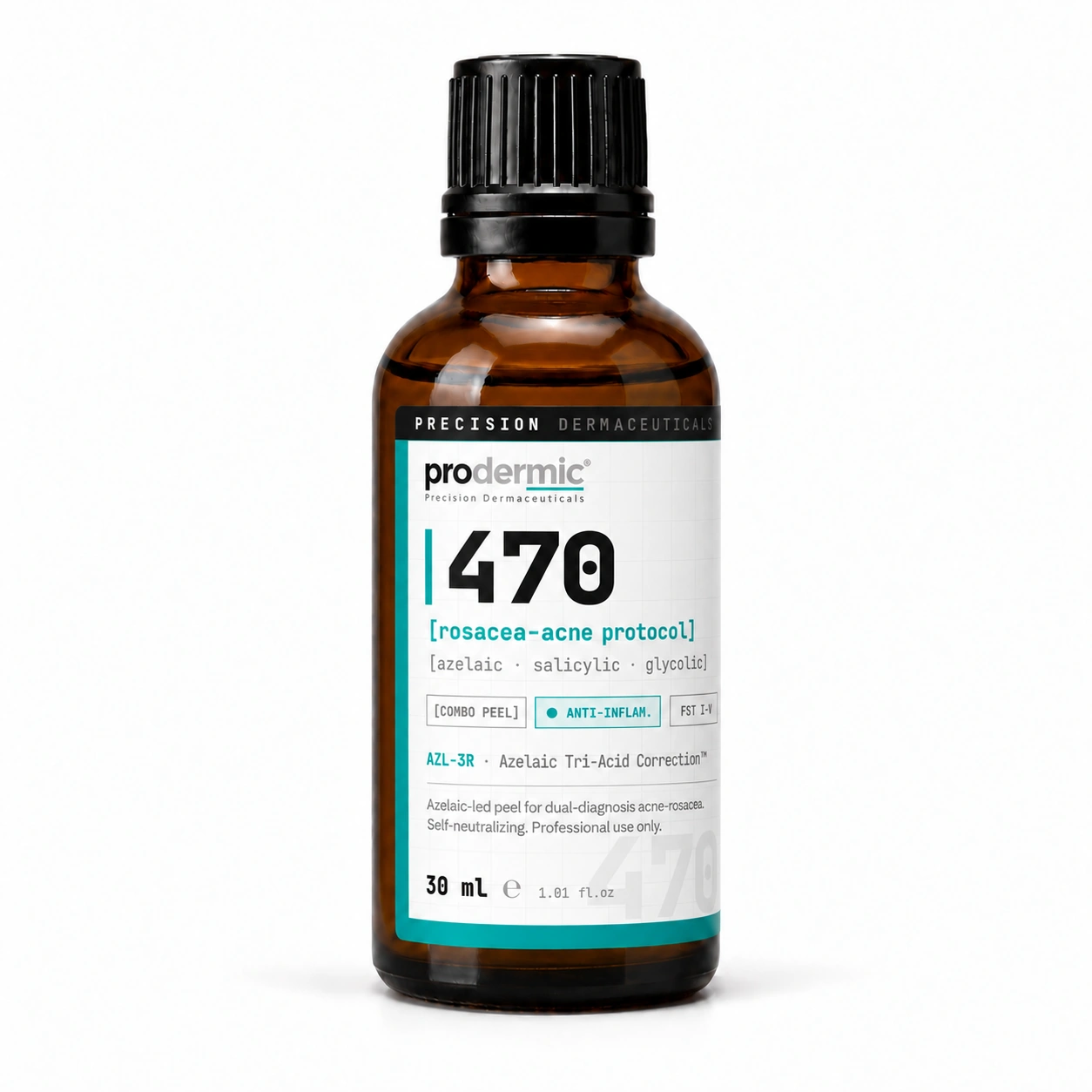
Azelaic acid 20% is the backbone of the Rosacea-Acne protocol (470).
Systemic and Combination Therapies
Other promising agents include tranexamic acid, which disrupts the plasminogen pathways influencing melanocyte activity, and niacinamide, known for its anti-inflammatory and barrier support roles. Tranexamic acid particularly inhibits keratinocyte-plasmin interaction, which is crucial in reducing UV-induced melanogenesis. Combining topical agents with systemic treatments can sometimes yield enhanced results, although the potential for side effects must be considered.
Procedural Options
- Chemical Peels: Glycolic acid peels can lighten hyperpigmented lesions but can increase PIH risk in darker skin tones, necessitating the use of conservative concentrations. Mandelic acid peels, with their larger molecular size, are often better tolerated in darker skin.
- Laser Therapy: Low-fluence Q-switched Nd:YAG lasers are preferable for treating melasma in darker skin as they pose less risk of triggering further pigmentation issues. Fractional lasers may be considered but require expertise and cautious implementation.
These procedures need to be chosen carefully based on patient's skin typing, ensuring Fitzpatrick IV-VI skins are given conservative initial treatments with thorough patch testing. It is crucial to adjust fluence settings meticulously to avoid thermal damage, which could exacerbate hyperpigmentation.
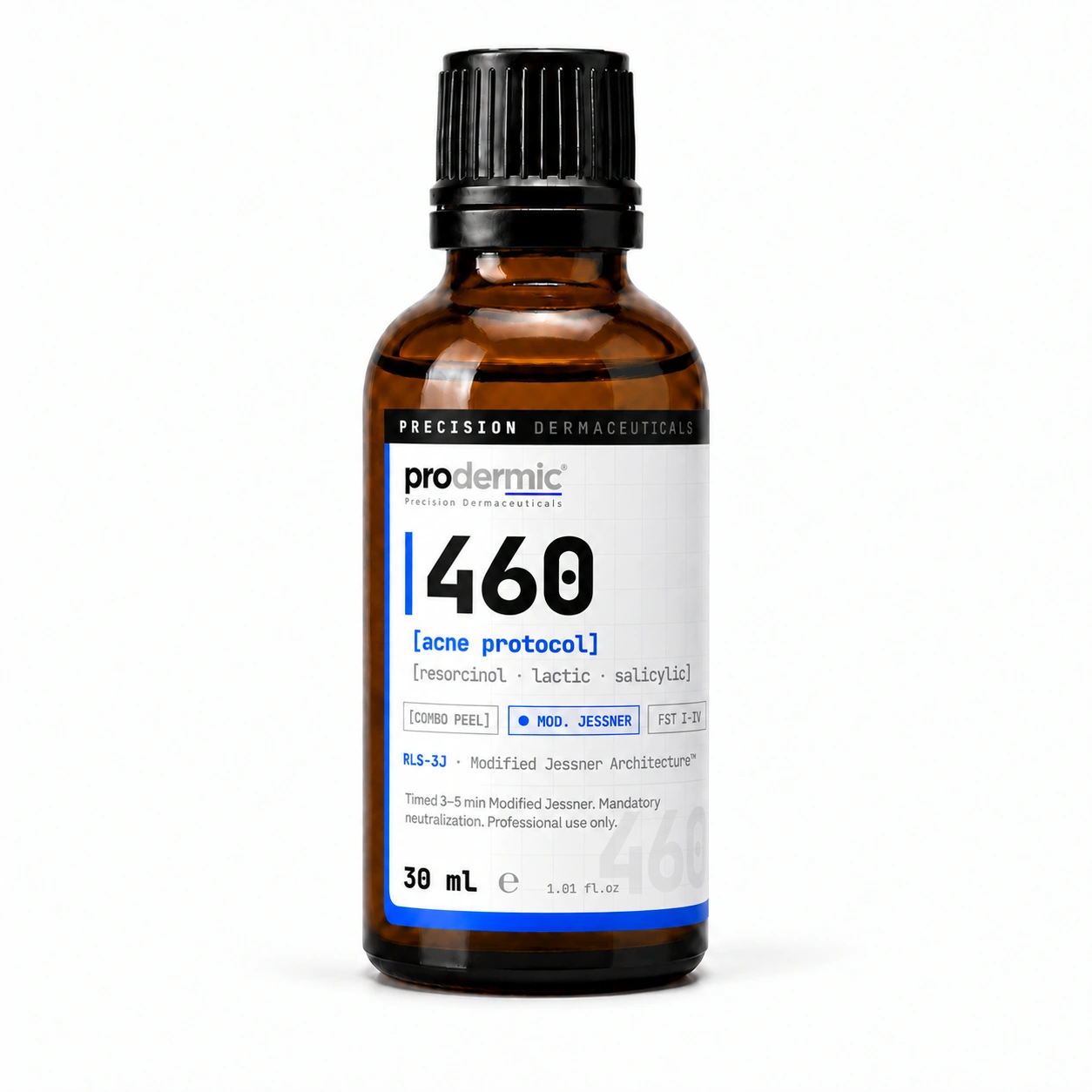
For active acne with PIH risk, the Acne Protocol (460, Jessner's) treats the acne that keeps producing new marks.
Advanced Procedural Insights
Emerging innovations like microneedling combined with tranexamic acid are showing efficacy in melasma by improving penetration and effectiveness of topical agents. These combined modalities should be implemented with caution and professional expertise.
Safety Considerations
Topical and procedural interventions in skin of color demand a cautious approach to avoid exacerbating hyperpigmentation.
Protection via physical blockers (zinc oxide or titanium dioxide) alongside avoidance of midday sun exposure significantly aids in managing PIH and melasma. Physical blockers are particularly advised for individuals who have heightened skin sensitivity or those undergoing laser treatments.
Detailed Sun Protection Strategy
Implementing comprehensive sun protection involves educating patients about the need for broad-spectrum SPF application, using physical barriers, and integrating clothing and hats for additional protection. Key is also addressing the role of environmental factors like pollution which may contribute to oxidative stress and melanin synthesis.
Management Protocols and Patient Education
Patient compliance and education are critical components of managing hyperpigmentation. Instructing on the prolonged nature of treatment and the vital role of sun protection cannot be overstressed.
Key in management is setting realistic expectations; treatment often extends across months and periodic reassessments with potential adjustments are the norm.
Sun Protection
- SPF 30–50 broad-spectrum sunscreens containing iron oxides are recommended to shield against UV and visible light.
Regular application, even on cloudy days and indoors, is necessary to counteract the impact of ambient light sources, which can also exacerbate melasma. This step is crucial in preventing relapses and ensuring the treatment modalities have their maximum intended effect.
Patient Engagement and Monitoring
Effective management also involves regular follow-ups to monitor treatment efficacy and adjust protocols as needed. Educating patients on the importance of photoprotection and adherence to treatment plans maximizes therapeutic success.
Frequently asked questions
What are the primary triggers for melasma?
Melasma is mainly triggered by hormonal changes and UV exposure. Avoidance of triggers combined with proactive skincare can aid in management. Environmental factors such as pollution and heat have also been identified as exacerbating factors.
Can PIH resolve over time without treatment?
Yes, PIH can resolve naturally, but treatments can accelerate the fading process. Timeframes vary from a few months up to several years based on inflammation severity and depth. Removing inflammatory triggers and maintaining consistent skincare are key.
Is laser therapy suitable for treating PIH in darker skin types?
Laser therapy can be used cautiously, but the risk of triggering more PIH must be managed carefully with protocols that incorporate patch testing and conservative settings initially. Fractionated lasers with lower energy are sometimes preferred.
What is the role of sun protection in managing these conditions?
Sun protection is crucial as UV exposure can worsen both PIH and melasma. Regular broad-spectrum sunscreens are essential daily applications to prevent worsening of the condition. Protection against visible light, which can exacerbate melasma, is often underappreciated but crucial.
Are chemical peels safe for skin of color?
Yes, but they should be performed with careful concentration selection to avoid triggering further pigmentation changes. Pre-treatment with tyrosinase inhibitors is recommended. Agents like mandelic acid are often preferred for their gentler action in sensitive skin.
For more on chemical peel protocols and improving patient retention, you can explore building chronic condition strategies in your clinic.
What are some adjunctive treatments?
Oral medications such as tranexamic acid can supplement topical treatments and procedural interventions to improve outcomes in melasma and resistant PIH. Adjunctives like cysteamine cream, which directly inhibits tyrosinase, also show promise and can be incorporated into treatment plans.
How do hormonal therapies interact with melasma treatment?
Hormonal therapies may influence melasma severity; thus, reviewing a patient's hormonal medication, including contraceptives, as part of a broader management strategy may yield insights into exacerbating factors.
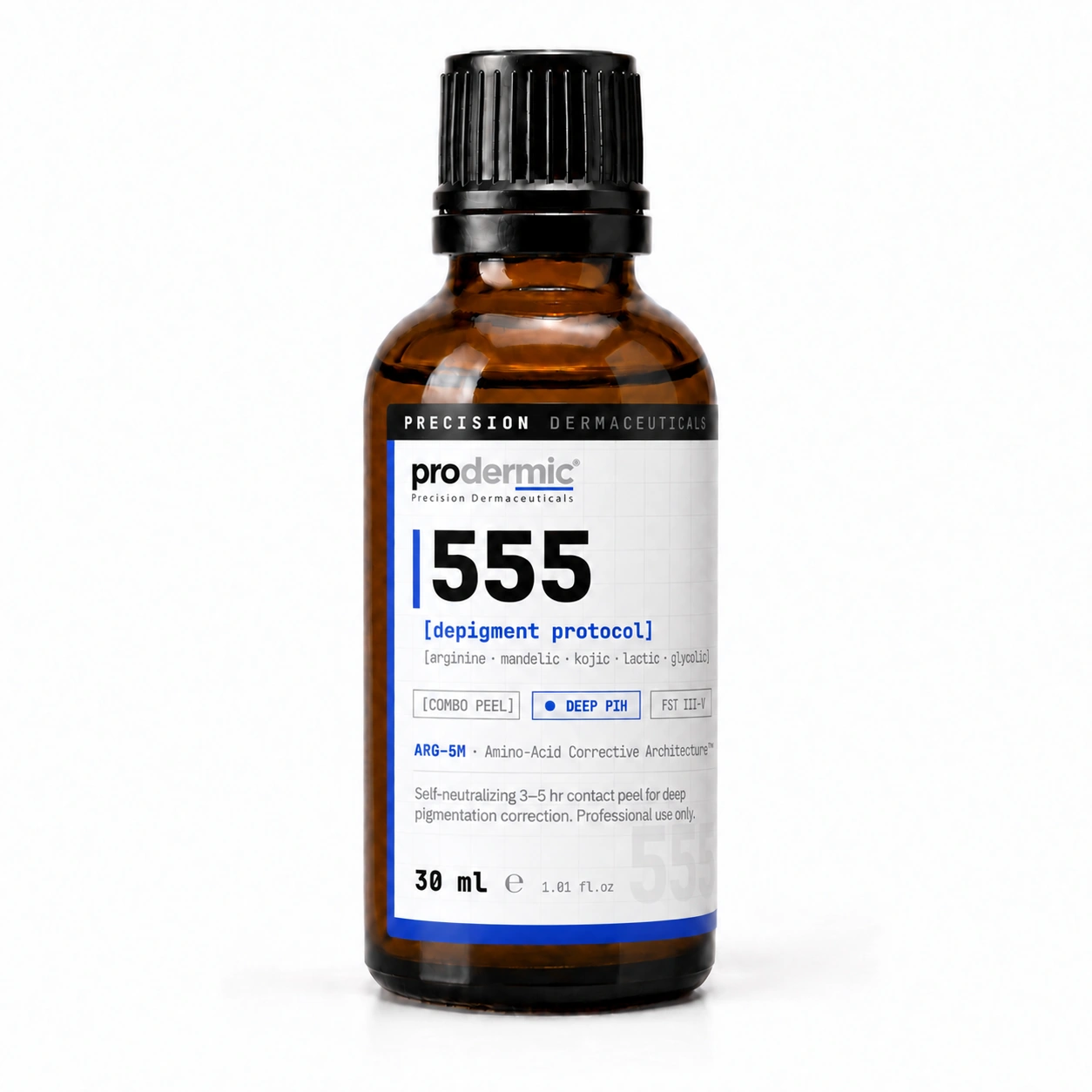
<ProductEmbed id="555-de-pigmento"/>
For more detailed comparisons of melasma treatments, see Cosmelan vs Dermamelan vs Chemical Peels.
With these insights, dermatologists are better equipped to treat hyperpigmentation in patients of color effectively, ensuring both conditions are managed with appropriate protocols.
Enhanced clinician understanding of these conditions, supported by patient-tailored management strategies, optimizes therapeutic outcomes, leading to improved patient satisfaction and clinic reputation.
References
Related Protocols
~24 sessions
~24 sessions
~24 sessions
~24 sessions
~7 sessions