


Keloids and Hypertrophic Scarring in Skin of Color: Pre-Resurfacing Protocols
Screening protocols for keloid risk in skin of color before resurfacing.

Keloids and hypertrophic scars are a significant concern for individuals with skin of color undergoing resurfacing procedures. Proper screening methods are essential to mitigate these risks.
Keloids and hypertrophic scars, characterized by excessive fibroblast activity and collagen deposition, present a heightened risk in those with Fitzpatrick skin types IV–VI. This demographic is disproportionately affected compared to lighter skin types due to genetic predispositions and unique wound healing processes.
Understanding Keloid and Hypertrophic Scar Formation
Keloids and hypertrophic scars are fibroproliferative disorders resulting from aberrant wound healing. Increased fibroblast activity and prolonged inflammation in skin of color lead to excess collagen deposition, creating prominent scars. These scars can be distressing both physically and emotionally. They often impact areas subjected to friction or tension, such as the shoulders, upper chest, and earlobes.
Biological Mechanisms
The formation of these scars involves complex interactions between epidermal and dermal cells, inflammatory mediators, and growth factors. Transforming growth factor-beta (TGF-β) plays a pivotal role by modulating fibroblast proliferation and extracellular matrix production. Additionally, platelet-derived growth factor (PDGF) and vascular endothelial growth factor (VEGF) contribute to the aberrant healing process, encouraging excess fibroblast proliferation and unwanted tissue formation. Furthermore, the role of mast cells in the early inflammatory phase cannot be overlooked, as they release histamine and other cytokines that exacerbate collagen overproduction.
Patient Impact
Patients with these conditions often report itching, pain, and significant cosmetic concerns. The psychological implications, such as decreased self-esteem and social anxiety, are notable, making effective treatment not only a clinical necessity but also a means of improving quality of life.
The Importance of Fitzpatrick Assessment
For dermatologists, understanding a patient’s Fitzpatrick skin type is crucial. Individuals with darker skin, classified within types IV–VI, exhibit a unique wound healing propensity that predisposes them to keloids. Compared to lighter skin types, this population is significantly more susceptible to forming these scars.
Genetic and Environmental Factors
Assessing a patient’s history is vital. Previous occurrences of keloids or hypertrophic scars should alert clinicians to the increased risk involved in proceeding with resurfacing techniques. Genetic factors like variations in the SMAD family genes can affect this predisposition, making familial history a relevant factor during evaluation. Environmental factors, including UV radiation and local skin care practices, may also exacerbate scar formation.
Safe Resurfacing Techniques
Opting for nonablative laser resurfacing techniques can be beneficial in scar treatment but carries risks of post-inflammatory hyperpigmentation (PIH). Techniques such as the 1550 nm erbium-doped yttrium aluminum garnet (Er:YAG) laser can improve scar appearance without inducing PIH, though outcomes are not universal and protocols should be customized based on patient-specific considerations.
Laser Mechanisms
Nonablative lasers work by creating microthermal zones of injury, stimulating collagen remodeling while leaving surface skin intact. This approach reduces downtime and PIH risk—key concerns for darker skin tones. This method, however, requires precise skill and knowledge about the nuanced response of skin of color to laser treatment. Successfully applying these lasers requires understanding the balance between thermal injury depth and the patient’s healing capacity.
Practical Protocol for Safe Treatments
-
Initial Consultation: Gather a comprehensive medical history focusing on previous scar formation and current skin conditions during the first consultation. Assess any ongoing treatments that might impact healing, including the use of retinoids or other topical agents that might affect skin sensitivity.
-
Informed Consent: Clearly discuss potential adverse effects such as PIH and exacerbated scarring. Discuss the patient’s expectations, weighing the benefits and limitations of treatment. Highlight alternative approaches, such as chemical peels or microneedling, that might be more suitable depending on the individual case.
-
Test Spot Application: Perform a test treatment area to evaluate skin reaction before proceeding. For high-risk patients, include different laser intensities to determine the safest effective dose. Monitoring the healing of these test spots gives insight into recovery timelines and potential risks of scar hypertrophy.
-
Post-Procedure Care: Implement a tailored regimen, including sun protection and topical agents, to address potential PIH or other complications. Consider using silicone gel sheets or pressure earrings, particularly for earlobe keloids. Additionally, the incorporation of growth factor serums might expedite healing.
Efficacy vs. Safety in Nonablative Lasers
While nonablative lasers are preferred over ablative counterparts due to minimal downtime and reduced complications, balancing efficacy with safety requires expert handling and consultation. Mastery of laser settings and patient response evaluation are crucial. Strategies may include gradual adjustment of laser parameters and staged treatments to mitigate risks.
Explore detailed insights on specific laser techniques in our comprehensive guide on Jessner's Peel with Clinical Protocols and other related procedures.
Protocols for Consideration
For patients concerned about pigmentation or scarring, chemical peel protocols like the Yellow Peel and Melasmonil Peel offer alternative pathways without compromising skin integrity. These treatments can be used in concert with nonablative lasers for a comprehensive approach. It is essential to tailor these protocols with consideration of the patient’s specific skin type and scar history.
Post-Procedure Management
To mitigate adverse effects, post-procedure care is crucial. Sunscreen application, along with gentle moisturizers, aids recovery and prevents further pigmentation issues. Formulations with zinc oxide or titanium dioxide offer broad-spectrum protection without exacerbating acne or comedones.
Post-treatment regimens may also include topical corticosteroids to decrease inflammation and retinoids to aid cellular turnover. Products such as the Pre-Peel Cleanser and Neutralizer offer suitable care regimens for post-procedure skin management. Hydration and avoidance of potentially irritating agents like alcohol-based products are also advised.
FAQs
How does skin type IV–VI affect scarring?
Higher melanin content and unique fibroblast activity in these skin types increase the keloid risk, necessitating careful screening. Additionally, the dermal architecture often exhibits increased vascularity and active collagen turnover, leading to prolonged wound healing and scarring.
What laser treatment is safest for dark skin?
Nonablative fractional lasers like the erbium laser are preferred for lower PIH risk. These lasers should be used with caution; practitioners should employ machines with adjustable wavelengths and pulse durations for tailored treatments. Pre-treatment with hydroquinone or similar agents may help reduce PIH risks as a precaution.
Is a test spot necessary?
Yes, it helps gauge skin reaction to treatment, minimizing widespread adverse effects risk. Observing healing from test spots informs expected recovery timelines and aids in customizing patient-specific protocols. It also provides a controlled environment to assess the skin's tolerance to the proposed treatment plan.
How can patients prevent PIH?
A regimen with sunscreen and specific topical agents post-procedure helps manage pigmentation concerns. Agents like hydroquinone and azelaic acid can be used cautiously before and after treatment to manage melanin production. Cosmeceutical-grade Vitamin C provides antioxidative support and may enhance photoprotection.
Are there particular peels safer for darker skin?
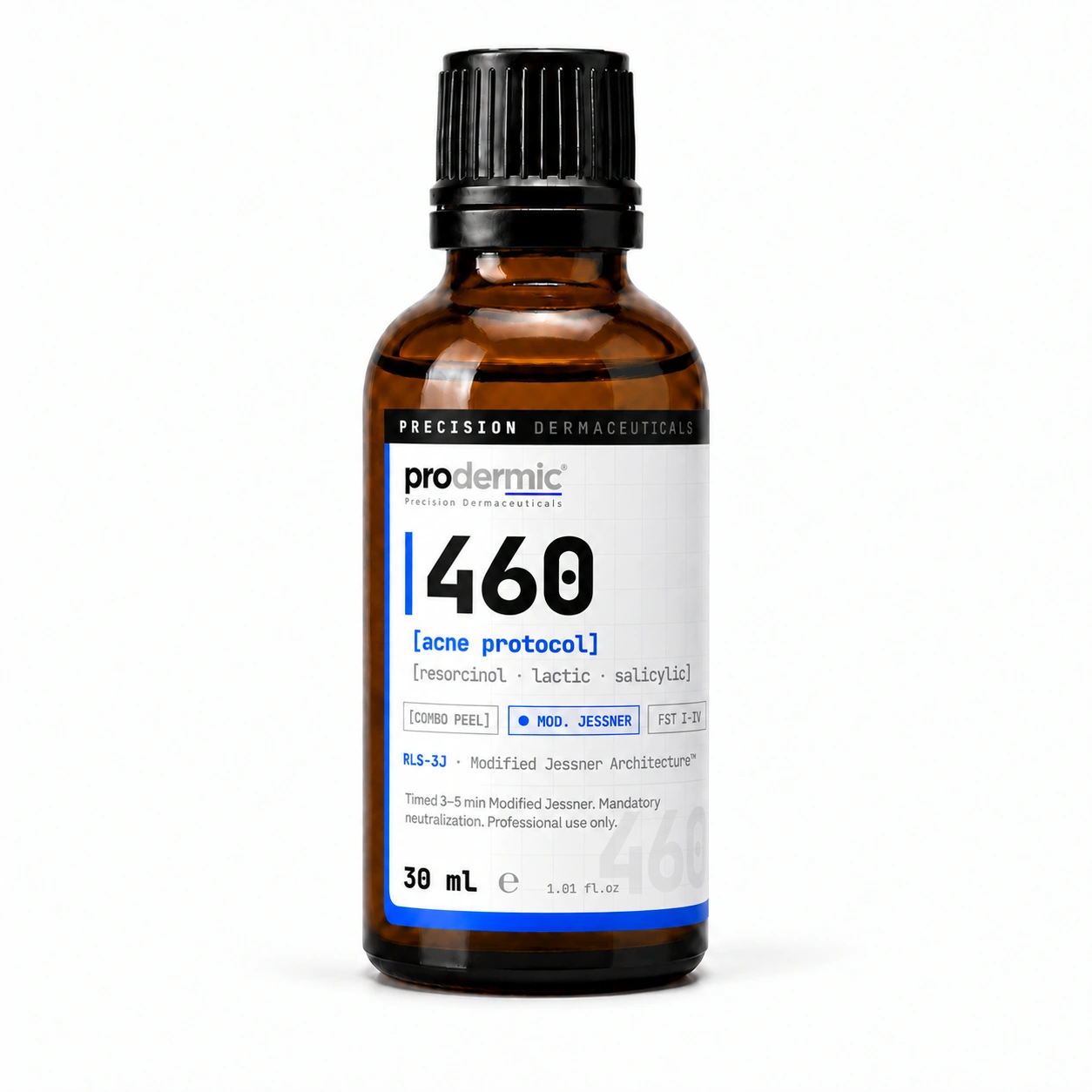
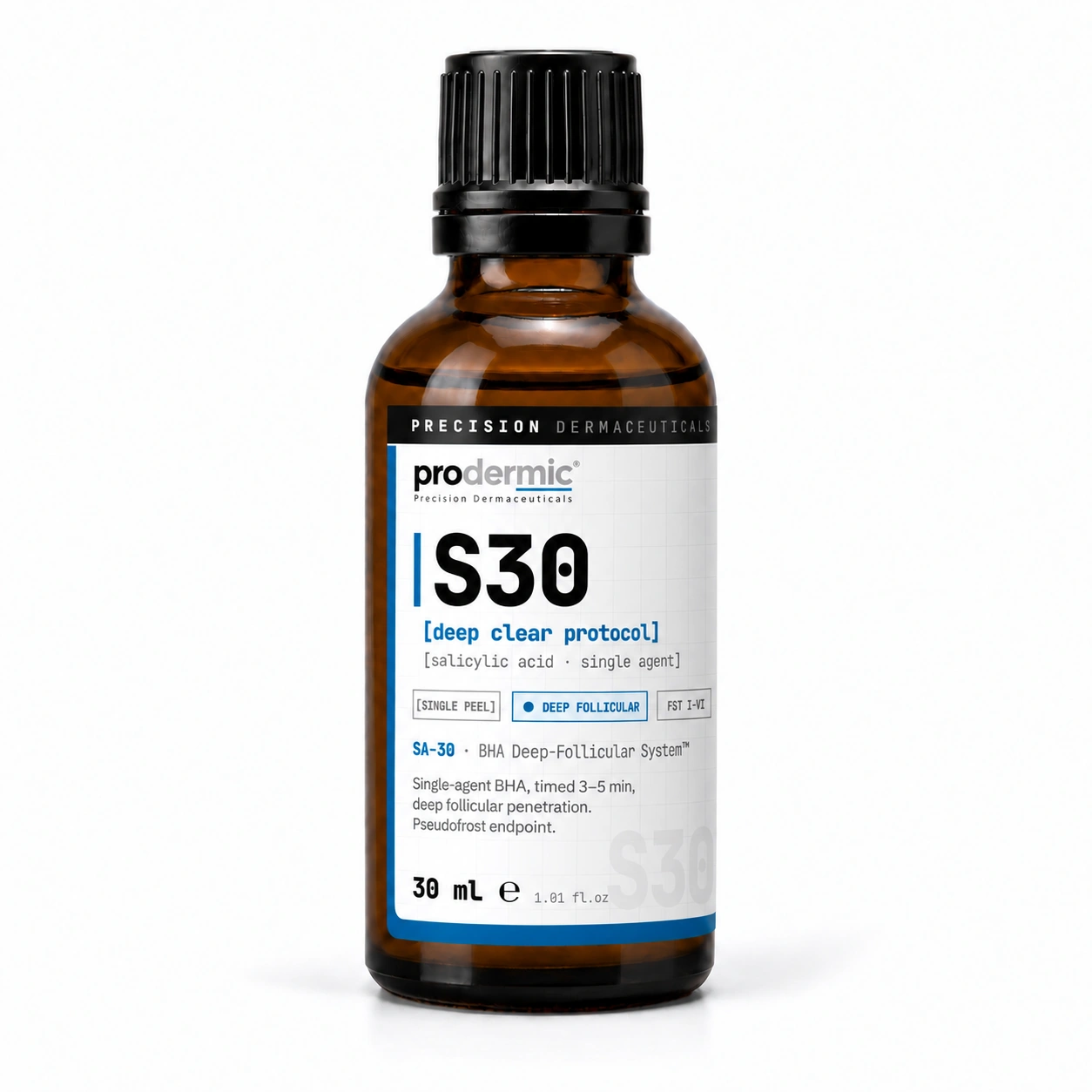
Peels such as the Salicylic Peel and Jessner Peel offer controlled exfoliation with lower risk profiles. These peels can be adjusted to suit individual skin sensitivities and treatment goals. Consideration of the patient’s oil production and acne history assists in peel concentration adjustments.
Building expertise in procedural choices ensures clinicians provide tailored care while minimizing risks associated with darker skin types. For further guidance, explore our article on Managing Post-Peel PIH in Indian Skin and related topics.
References
Related Protocols

~16 sessions
~24 sessions
~11 sessions