|
clinical documentation
|
clinical documentation
L80 PROCEDURE GUIDE
Hydra Resurface Protocol — Step-by-Step Clinical Application Guide for Practitioners
Product Overview
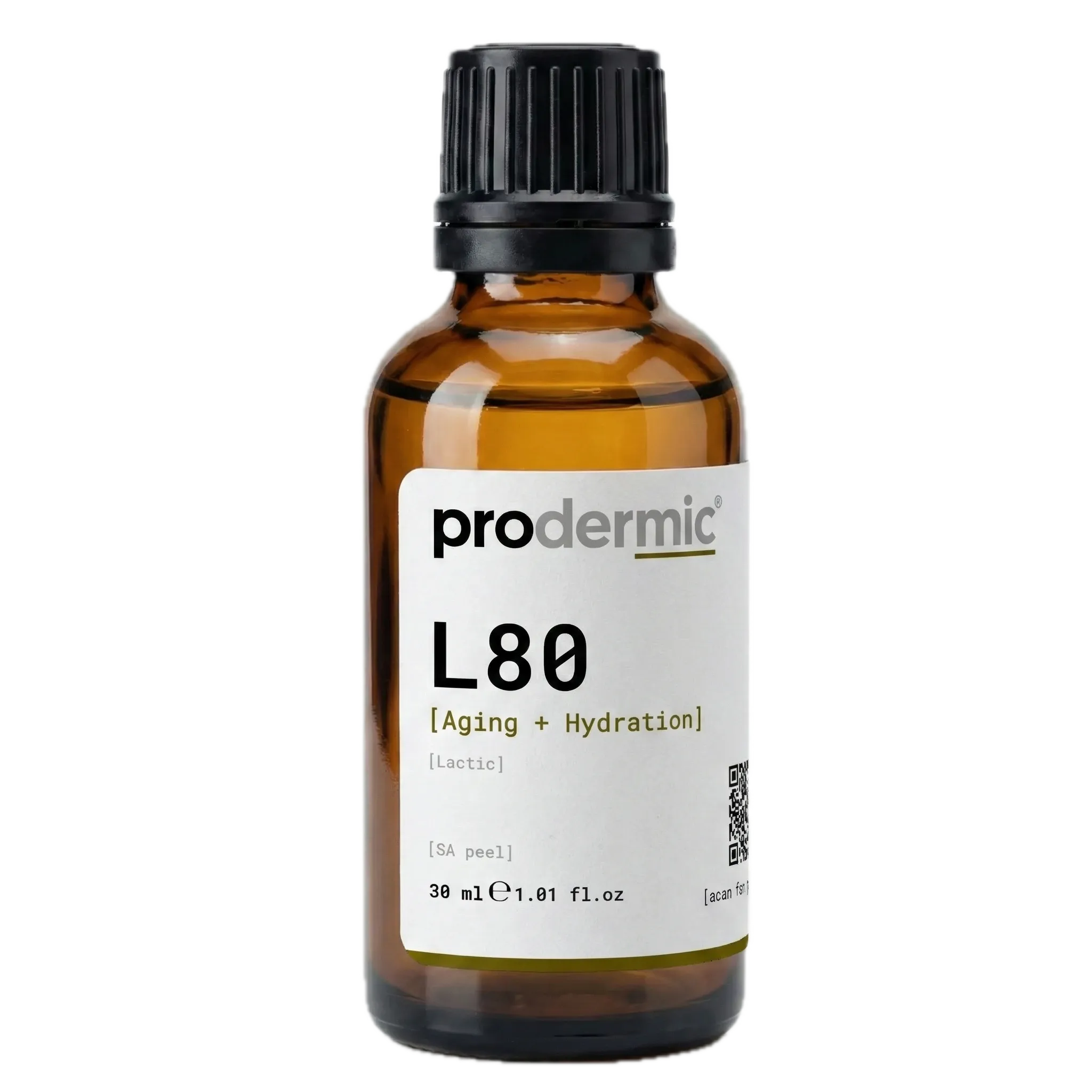
prodermic® L80
Hydra Resurface Protocol · Lactic Acid Peel
| Type | Single Agent Peel |
| Total Active | Lactic Acid |
| Size | 30ml |
| Yield | ~20 sessions per jar |
| Fitzpatrick | I–IV (caution V) |
| Peel Depth | Superficial to Medium |
Active Composition
Mechanism of Action
| Agent | Mechanism |
|---|---|
| Lactic Acid | Ultra-high concentration AHA with optimal pKa for deep penetration. Disrupts corneocyte cohesion via chelation of calcium ions in desmosomes. Uniquely hydrating due to humectant properties — increases ceramide synthesis and natural moisture production. Inhibits tyrosinase for mild brightening effect. Larger molecular size (90 Da vs. glycolic at 76 Da) provides controlled, even penetration ideal for sensitive and dry skin types. The only peel that aggressively resurfaces without dehydrating the skin. |
Clinical Indications
Patient Selection & Pre-Procedure
Ideal Patient Profile
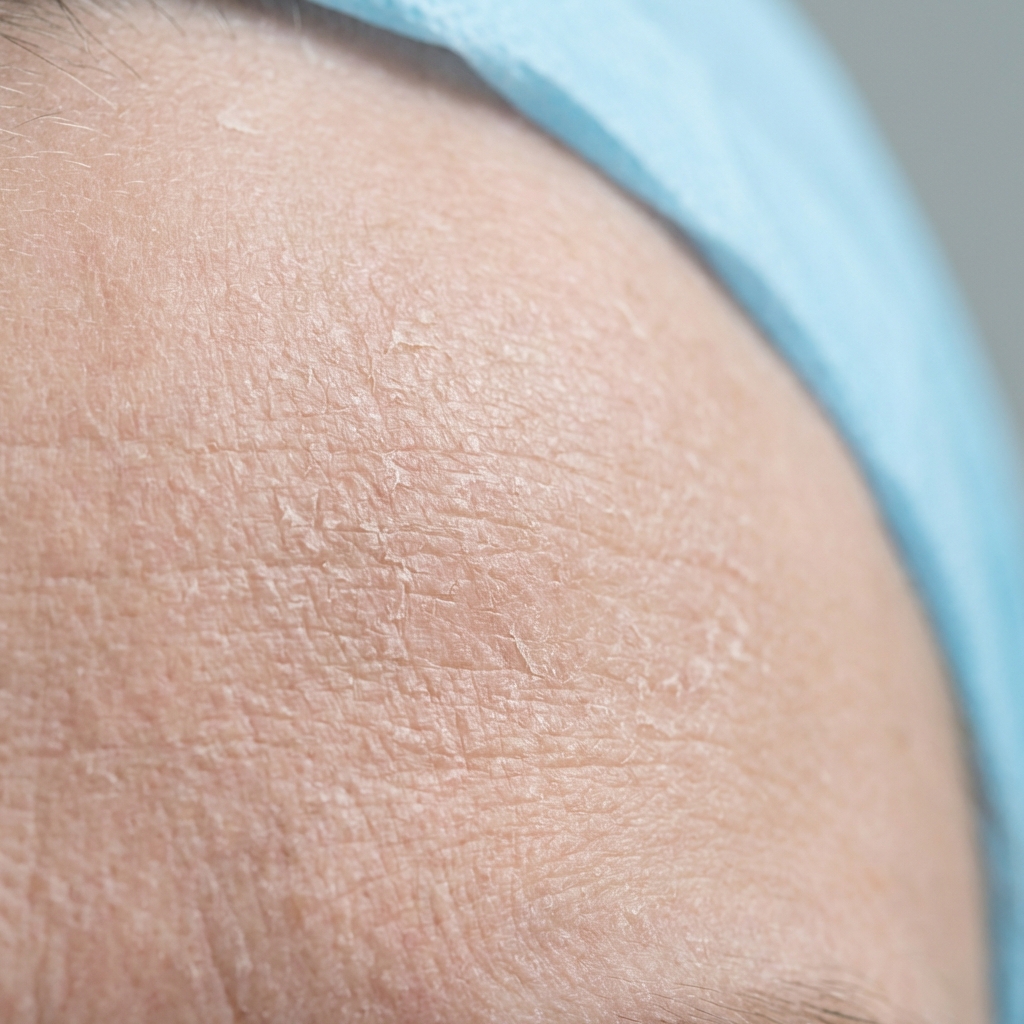
- Dry or dehydrated skin with aging concerns
- Patients who cannot tolerate glycolic acid dryness
- Anti-aging + hydration dual goal
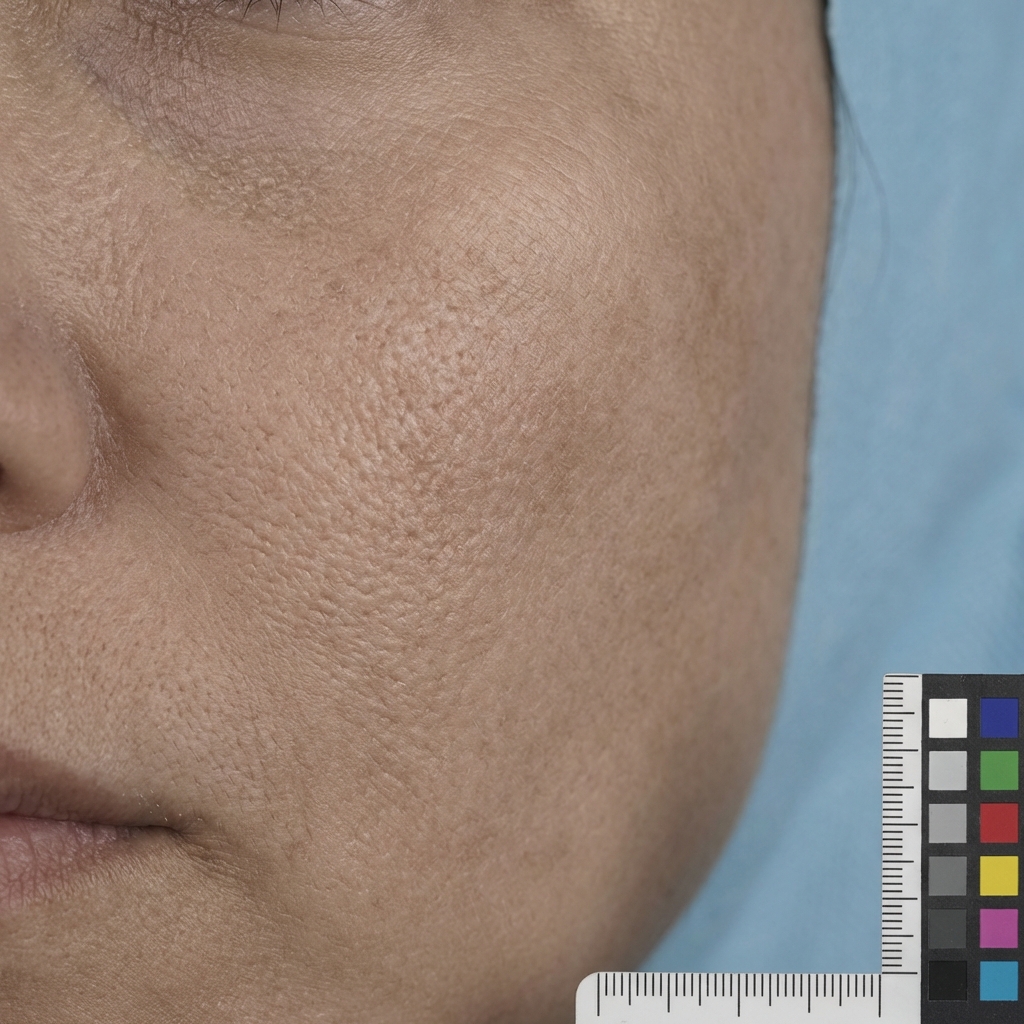
- Fine lines, dull skin, loss of moisture
- Patients wanting resurfacing without dehydration
- Fitzpatrick skin types I–IV (use with extreme caution on type V)
Contraindications
DO NOT TREAT IF
- Active skin infections in the treatment area
- Compromised skin barrier
- Pregnancy (consult physician)
- Oral isotretinoin use within the last 6 months
- Topical retinoids use within 72 hours of session
- Open wounds or abrasions in the treatment area
- Fitzpatrick V — use with extreme caution only
- Known allergy or sensitivity to lactic acid
Pre-Procedure Patient Preparation
- Sun Exposure: Advise patient to avoid direct sun exposure for at least 1 week prior.
- Discontinue: Stop topical retinoids 72 hours before. Stop AHAs/BHAs 48 hours before.
- Informed Consent: Discuss expected outcomes, downtime (1–3 days mild), number of sessions needed (4–6), and possible side effects.
- Photography: Take standardized baseline photographs under consistent lighting.
Step-by-Step Procedure
CRITICAL: THIS PEEL REQUIRES NEUTRALIZATION
prodermic L80 is NOT a self-neutralizing peel. The practitioner MUST neutralize the peel in-clinic after 3–5 minutes using a sodium bicarbonate solution or cold water. DO NOT let the patient leave with this product on their skin.
Contact time is 3–5 minutes only (timed). At this concentration, timing is critical. The practitioner must monitor the patient throughout and neutralize at the appropriate endpoint.
- Forehead: Apply in horizontal strokes from center outward
- Cheeks: Apply from the nose outward toward the ears
- Nose: Light application down the bridge and across the tip
- Chin: Apply in upward strokes
- Upper lip: Light, thin application (sensitive area)
- Mild stinging + slight warmth: Expected initial response — continue monitoring
- Mild-to-moderate erythema: Normal response for the 3–5 minute window
- Moderate stinging with uniform pink erythema: Good endpoint — prepare to neutralize
- Intense erythema, severe burning, or patient distress: Neutralize immediately regardless of time elapsed
- Sodium bicarbonate solution: Apply neutralizing solution generously across the entire treatment area using gauze or cotton pads. You may observe slight fizzing (acid-base reaction) — this is normal. Continue until all stinging stops completely.
- Cold water: Rinse the treatment area thoroughly with cold water until all product residue is removed and all sensation stops.
- Apply a soothing recovery moisturizer or balm generously to the treated area
- Apply SPF 50+ broad-spectrum sunscreen if patient will be exposed to sunlight
- Provide the patient with printed or WhatsApp post-care instructions
- Schedule next session in 14–21 days
Early Neutralization & Adverse Reactions
NEUTRALIZE IMMEDIATELY IF YOU OBSERVE
- Severe burning or pain that does not subside or is escalating
- Excessive/intense erythema (deep red) beyond expected mild-to-moderate pink
- Visible edema or swelling in the treatment area
- Urticaria or wheals appearing during contact time
- Patient distress — patient cannot tolerate the sensation
- Allergic reaction signs — hives, spreading redness beyond treatment area
Emergency Neutralization Steps
- Apply neutralizer generously across the entire treatment area using gauze or cotton pads (or flush with cold water if neutralizer is not immediately available)
- Continue application until all stinging stops completely
- Wipe off and repeat if necessary until all tingling/burning stops
- Rinse thoroughly with cold water
- Apply soothing barrier cream or recovery moisturizer
- Apply cold compress if needed for comfort
- Document the reaction — reduce contact time or consider a milder protocol for the next session
Post-Procedure Care Instructions
Provide these instructions to the patient (verbal + printed/WhatsApp):
Day 0 (Day of Procedure)
- Peel is neutralized and removed in-clinic before patient leaves
- Recovery moisturizer applied in-clinic post-neutralization
- No other actives, no makeup for the rest of the day
- Do not wash face again until the next morning — let the recovery balm work
- Skin should feel hydrated and slightly tight
Day 0–1 (Tightness Phase)
- Mild tightness is normal, but skin should feel well-hydrated
- Cleanse with a gentle, soap-free cleanser the next morning
- Apply a thick, bland moisturizer or recovery balm 3–4 times daily
- Apply SPF 50+ broad-spectrum sunscreen every 2–3 hours if going outdoors
- Avoid direct sun exposure, saunas, steam rooms, strenuous exercise
- Do NOT pick, pull, or scrub
Day 1–2 (Mild Flaking Phase)
- Very mild flaking is possible — lactic acid produces gentle, even shedding
- Some patients may not peel visibly at all — this is normal for lactic acid
- Continue moisturizer 3–4 times daily + SPF 50+
- Do NOT pick, pull, or force peeling skin off — let it shed naturally
Day 2–3 (Recovery Phase)
- Skin feels smoother, brighter, and more hydrated
- Any flaking should be complete
- Continue moisturizer + SPF 50+
- May resume light makeup once skin feels normal
- Continue avoiding harsh actives (retinoids, AHAs, BHAs) until Day 3
Days 3–14 (Between Sessions)
- Maintain strict sun protection (SPF 50+, physical avoidance)
- Can resume normal skincare routine
- Consider prescribing hydrating serums between sessions for continued moisture support
Expected Peeling Timeline
Treatment Program
| Parameter | Recommendation |
|---|---|
| Total Sessions | 4–6 sessions |
| Session Interval | 14–21 days between sessions |
| Contact Time | 3–5 minutes (timed, requires neutralization in-clinic) |
| Downtime | 1–3 days mild |
| Full Program Duration | 2–3 months |
| Product per Session | Approximately 1–1.5ml |
| Yield per Jar | ~20 sessions from one 30ml jar |
| Maintenance | 1 session every 4–6 weeks after initial program |
Progressive Titration Guide
Increase contact time progressively across sessions based on patient tolerance:
| Session | Contact Time | Notes |
|---|---|---|
| Session 1 | 2 minutes | Conservative first exposure. Assess skin response and tolerance. Neutralize promptly. |
| Session 2 | 3 minutes | Increase if Session 1 was well tolerated with no adverse effects. |
| Session 3 | 3–4 minutes | Continue increasing if good tolerance. Assess clinical results so far. |
| Session 4+ | 4–5 minutes | Maximum contact time. Never exceed 5 minutes. |
Expected Outcomes
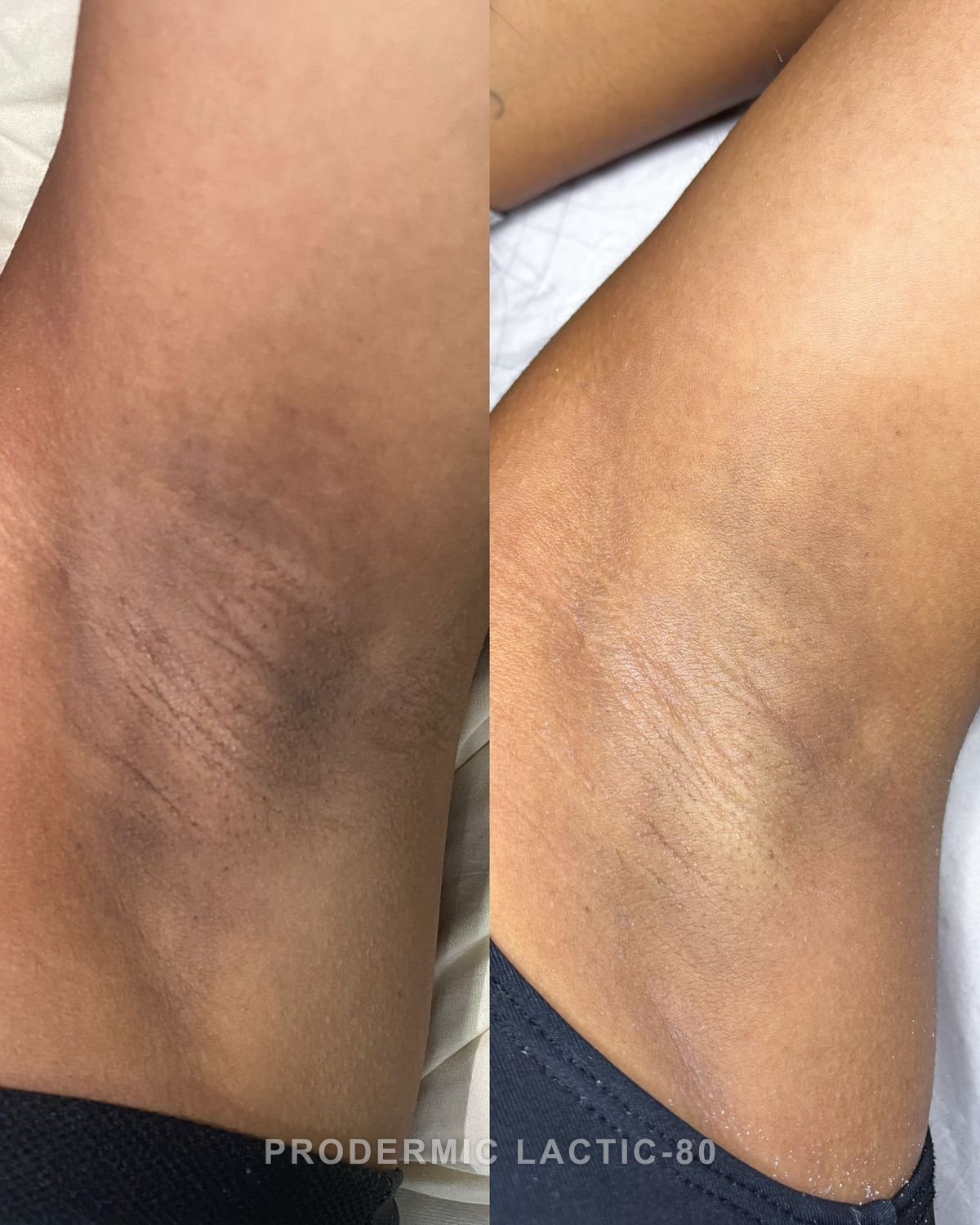
- After Session 1: Immediate hydration boost, smoother texture, mild brightening.
- After Session 2–3: Visible reduction in fine lines, improved skin luminosity, enhanced moisture retention.
- After Session 4–6: Significant anti-aging improvement, plumper hydrated skin, even tone.
Key differentiator: Unlike glycolic or TCA peels, the L80 delivers aggressive resurfacing while simultaneously hydrating the skin. Patients experience anti-aging results without the dryness and discomfort typically associated with high-concentration peels.
Full Ingredient List
Lactic Acid